
Low-Sodium Meal Plan for Heart Health After 60 — senior-friendly feature image with soft gradient background

Low-Sodium Meal Plan for Heart Health After 60

Heart health becomes more important after 60, and one of the simplest ways to support it is through a low-sodium eating routine. Reducing salt doesn’t mean sacrificing flavor — it means being more intentional about whole ingredients, gentle seasonings, and foods that help your heart function at its best. This guide walks you through a complete low-sodium meal plan, senior-friendly food choices, and easy steps you can use to keep your heart strong every day.

(Internal links will be added where appropriate based on your internal linking plan.)

Too much sodium can cause your body to hold extra fluid, which makes the heart work harder. Over time, this increases the risk of high blood pressure, swelling in the legs, shortness of breath, and strain on the heart muscle. The good news is that older adults often feel real improvements just by lowering daily sodium.

A low-sodium approach helps:

  • Reduce blood pressure
  • Lower strain on the heart
  • Support better circulation
  • Help manage swelling or water retention
  • Improve overall energy levels

Most seniors thrive when keeping sodium around 1,500–2,000 mg per day, unless a doctor recommends otherwise.
Sale
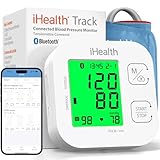
iHealth Track Smart Upper Arm Blood Pressure Monitor with Wide Range Cuff That fits Standard to Large Adult Arms, Bluetooth Compatible for iOS & Android Devices
  • Clinically Accurate: Easy Operation by two buttons, Advanced Accuracy, No Calibration…
  • Large Multi-Color Backlit Display: The large, oversized numbers make reading the results…
  • Easy Management: Manage and track up to 99 readings on your blood pressure monitor and…
  • Heart Rhythm Disturbances: This unit automatically identifies and alerts you to any heart…
Sale
Oklar Blood Pressure Monitors for Home Use Rechargeable Wrist Digital BP Machine Cuff with LED Backlit Display, Voice Broadcast, 240 Memory Storage for 2 Users with Carrying Case
  • Convenient Dual User Mode: Store up to 240 readings for two users, allowing easy tracking…
  • Fast and Accurate Measurements: Our fully automatic wrist blood pressure machine provides…
  • Voice Broadcast Design: Our automatic blood pressure cuff features a voice broadcast…
  • Large LED Backlit Display: The large LED screen of our blood pressure monitor features…

Cutting salt doesn’t require extreme changes — just small, strategic swaps.

Simple ways to lower sodium:

  • Choose fresh foods instead of canned versions
  • Use herbs like garlic, rosemary, thyme, dill, and paprika
  • Pick low-sodium broths and sauces
  • Rinse canned beans or vegetables to remove excess salt
  • Limit processed meats (ham, bacon, sausage, deli meats)
  • Flavor meals with lemon juice, olive oil, and vinegar

These habits help your taste buds adjust quickly — often within 2–3 weeks.

Sale
Imagine Organic Low Sodium Free Range Chicken Broth, 32 fl oz (Pack of 6)
  • Six 32 fl oz cartons of Organic Free Range Chicken Broth, Low Sodium
  • USDA Organic
  • Gluten Free & Low Fat
  • Low Sodium
Pacific Foods, Broth Chicken Low Sodium Organic, 48 Ounce
  • No hydrogenated fats or high fructose corn syrup allowed in any food
  • No bleached or bromated flour

Reducing sodium after 60 can play an important role in supporting healthy blood pressure, circulation, and long-term heart function. This 7-day low-sodium meal plan is designed specifically for older adults who want simple, realistic meals that feel familiar — not restrictive.

Each day includes balanced breakfasts, lunches, dinners, and snacks built around whole foods. Fresh vegetables, lean proteins, whole grains, healthy fats, and gentle seasonings are used instead of processed sauces and packaged meals that often contain hidden salt.

The goal is not perfection. It is consistency.

By choosing ingredients that naturally contain less sodium and preparing meals with herbs, citrus, garlic, and spices instead of added salt, you can reduce strain on the heart while still enjoying satisfying food.

This plan focuses on:

• Simple preparation
• Affordable ingredients
• Balanced portions
• Steady energy throughout the day
• Practical substitutions when needed

If you have been advised to lower sodium due to high blood pressure, fluid retention, or general heart health concerns, this weekly plan provides a structured starting point that feels manageable.

As always, consult your healthcare provider if you have specific medical conditions such as heart failure, kidney disease, or strict sodium restrictions.

Day 1

Breakfast

Oatmeal with fresh berries and cinnamon.
1 boiled egg for added protein.

Lunch

Grilled chicken salad with mixed greens, cucumbers, tomatoes, and lemon-olive oil dressing.

Dinner

Baked salmon with fresh herbs, roasted sweet potatoes, and steamed broccoli.

Snacks

Unsalted almonds • Apple slices.
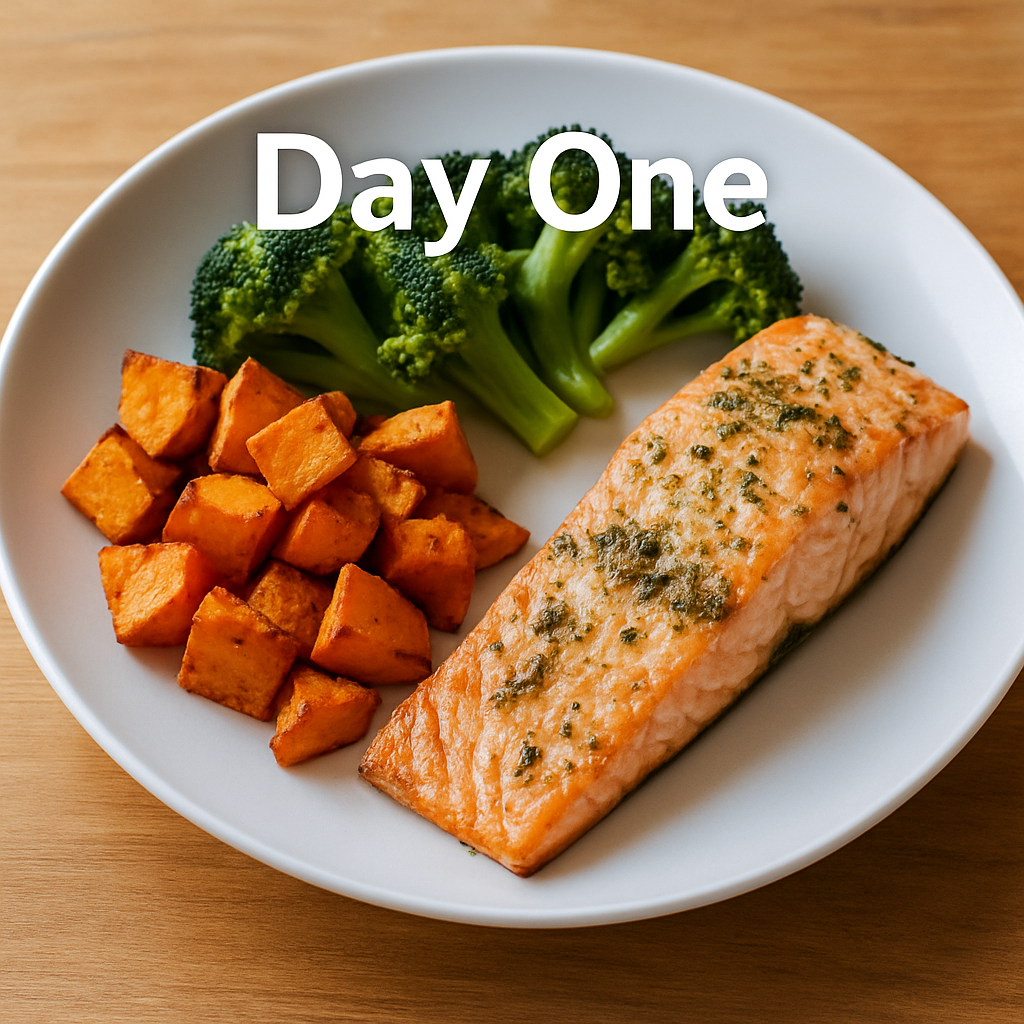
Day 1: Dinner of the 7 day low sodium meal plan, Baked salmon with fresh herbs, roasted sweet potatoes, and steamed broccoli.

Why Day 1 Supports Heart Health After 60

Day one focuses on steady energy, balanced nutrients, and naturally lower sodium choices without feeling restrictive. Instead of relying on packaged “low-sodium” products, this approach uses fresh ingredients that support circulation and overall cardiovascular health.

Starting the morning with oatmeal provides soluble fiber, which plays an important role in supporting healthy cholesterol levels. The addition of fresh berries adds antioxidants and natural sweetness without added sugar. Including a boiled egg gives the body high-quality protein to maintain muscle strength and help prevent mid-morning fatigue.

Lunch keeps sodium under control by avoiding processed dressings and deli meats. Grilled chicken delivers lean protein, while mixed greens, cucumbers, and tomatoes add hydration and fiber. A simple lemon and olive oil dressing enhances flavor without hidden salt, which is one of the most common sources of excess sodium in older adults’ diets.

Dinner centers around baked salmon, a rich source of omega-3 fatty acids. These healthy fats are widely recognized for supporting heart and circulation health. Roasted sweet potatoes contribute potassium, which helps balance sodium in the body. Steamed broccoli adds fiber and essential nutrients that support digestive and overall wellness.

Snacks remain simple and heart-friendly. Unsalted almonds provide healthy fats and a small amount of plant-based protein, while apple slices offer natural fiber to support blood sugar stability.

Estimated Sodium for Day 1

When prepared with unsalted ingredients and fresh products, this day typically falls between approximately 1,400 to 1,600 milligrams of sodium, depending on portion size and preparation methods.

Simple Substitutions If Needed

If salmon is not available, baked trout or grilled cod can be used.
If eggs are not preferred, plain Greek yogurt (unsweetened) can replace the morning protein.
If almonds are difficult to chew, walnuts or a small serving of unsalted pumpkin seeds are suitable alternatives.

This first day sets the tone for the week by demonstrating that heart-conscious eating does not require complicated recipes or specialty ingredients. It simply requires mindful preparation and whole foods.

Day 2

Breakfast

Greek yogurt with sliced peaches and a sprinkle of chia seeds.

Lunch

Lentil vegetable soup (low-sodium broth) with a whole-grain roll.

Dinner

Turkey meatballs in no-salt tomato sauce served over whole-grain pasta.

Snacks

Carrot sticks • Low-sodium popcorn.

Day 2: Greek yogurt with sliced peaches and a sprinkle of chia seeds.

Why Day 2 Supports Heart Health After 60

Day two continues the focus on steady nourishment while introducing more plant-based fiber and balanced protein sources. The goal is to support circulation, digestion, and sustained energy without increasing sodium intake.

Breakfast begins with Greek yogurt, which provides protein to help maintain muscle mass and prevent energy dips. Sliced peaches add natural sweetness and hydration without added sugars. A sprinkle of chia seeds contributes fiber and plant-based omega-3 fats, both of which play a role in supporting overall cardiovascular wellness.

Lunch centers around lentil vegetable soup made with low-sodium broth. Lentils are naturally rich in fiber and plant protein, which help promote fullness and steady blood sugar levels. Using low-sodium broth instead of canned soup significantly reduces hidden salt intake. Pairing the soup with a whole-grain roll adds additional fiber and nutrients that support digestive health and long-term heart function.

Dinner features turkey meatballs prepared with lean ground turkey and served in no-salt-added tomato sauce. Lean turkey provides protein without the higher saturated fat content found in some red meats. Whole-grain pasta adds complex carbohydrates, which release energy gradually and help avoid blood sugar spikes. Choosing a no-salt tomato sauce keeps sodium levels controlled while still delivering flavor.

Snacks remain simple and practical. Carrot sticks provide crunch, fiber, and natural sweetness. Low-sodium popcorn offers a satisfying option that feels indulgent but stays within heart-conscious guidelines when portioned properly.

Estimated Sodium for Day 2

When low-sodium broth and no-salt-added tomato sauce are used, this day typically falls between approximately 1,300 to 1,600 milligrams of sodium, depending on portion size and specific product choices.

Simple Substitutions If Needed

If Greek yogurt is not preferred, cottage cheese labeled low-sodium can be used.
If lentils are difficult to digest, black beans or chickpeas may be substituted.
If whole-grain pasta is not tolerated well, quinoa or brown rice can replace it.

Day two reinforces the idea that heart-supportive eating can feel satisfying and familiar. Traditional comfort foods like soup, pasta, and meatballs can remain part of the menu — simply prepared with mindful ingredient choices.

👉Video: Watch videos of low sodium meals been prepared.

Day 3

Breakfast

Smoothie: spinach, banana, oats, and unsweetened almond milk.

Lunch

Tuna salad made with olive oil, served on whole-grain toast with lettuce.

Dinner

Herb-baked cod with wild rice and sautéed green beans.

Snacks

Fresh berries • Greek yogurt (unsalted).
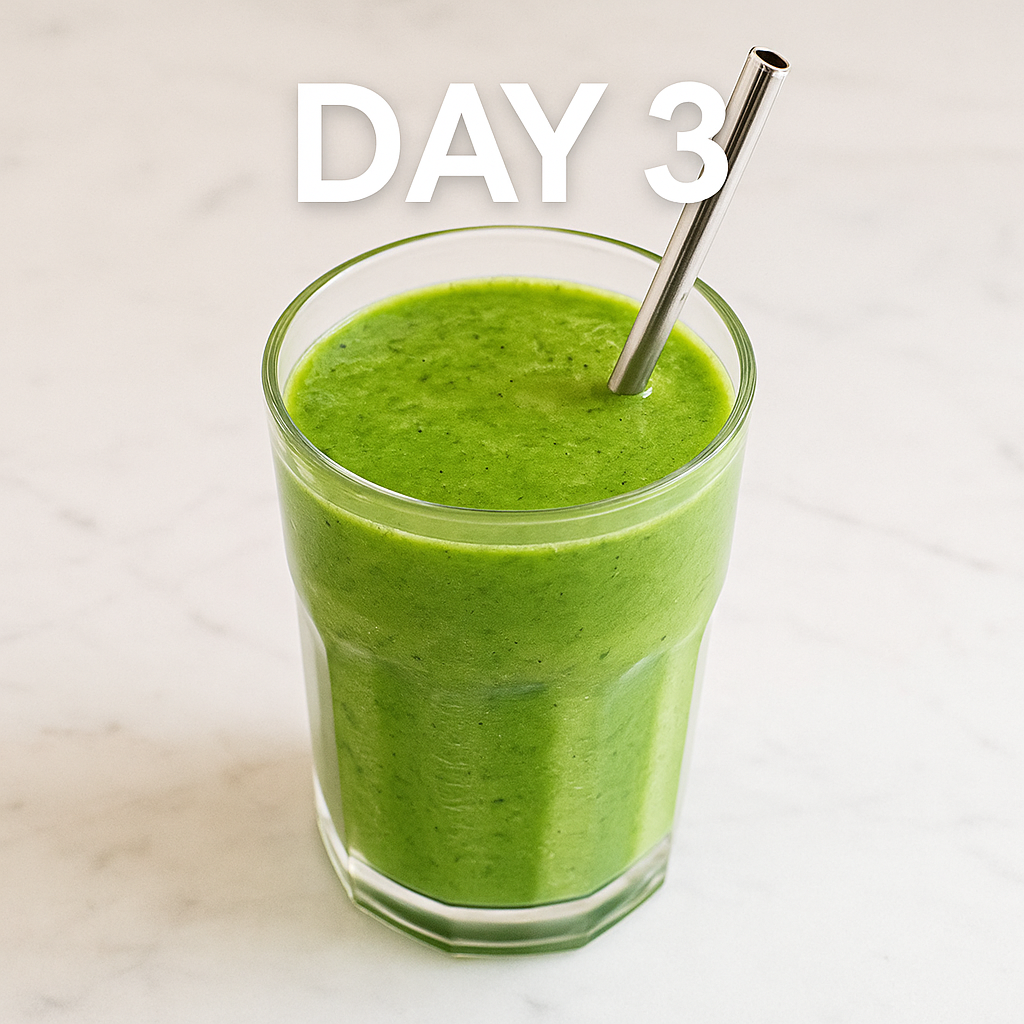
day 3 of the low sodium meal plan for seniors, smoothie for breakfast

Why Day 3 Supports Heart Health After 60

Day three introduces more leafy greens and whole grains while maintaining balanced protein throughout the day. The focus remains on natural ingredients that support circulation and help manage sodium intake without sacrificing flavor.

Breakfast begins with a blended smoothie that combines spinach, banana, oats, and unsweetened almond milk. Spinach contributes potassium and magnesium, both of which play a role in maintaining healthy blood pressure. Banana adds natural sweetness along with additional potassium. Oats provide soluble fiber, which supports cholesterol balance. Using unsweetened almond milk helps avoid unnecessary added sugars and sodium.

Lunch features tuna salad prepared with olive oil instead of traditional mayonnaise. Olive oil provides heart-supportive fats, while tuna delivers lean protein. Choosing whole-grain toast increases fiber intake and helps maintain steady energy levels. Adding fresh lettuce enhances hydration and texture without increasing sodium.

Dinner centers on herb-baked cod, a mild white fish that offers protein without heavy saturated fat. Fresh herbs add flavor naturally, reducing the need for salt. Wild rice supplies complex carbohydrates and fiber, while sautéed green beans add nutrients and natural crunch. Together, this meal supports fullness and steady digestion through the evening.

Snacks remain light but nourishing. Fresh berries provide antioxidants and natural sweetness. Greek yogurt offers additional protein, helping support muscle maintenance and balanced blood sugar levels throughout the day.

Estimated Sodium for Day 3

When fresh ingredients are used and canned tuna is drained and rinsed (or labeled low-sodium), this day typically falls between approximately 1,300 to 1,600 milligrams of sodium, depending on portion sizes and preparation methods.

Simple Substitutions If Needed

If bananas are not preferred, frozen mango or fresh pear can replace them in the smoothie.
If tuna is unavailable, mashed avocado with sliced grilled chicken can be used instead.
If cod is not accessible, tilapia or haddock are suitable alternatives.

Day three demonstrates that heart-conscious meals can feel light, fresh, and energizing while still providing the protein and fiber needed for long-term wellness.

Day 4

Breakfast

Scrambled eggs with tomatoes and spinach.

Lunch

Quinoa bowl with roasted vegetables and a squeeze of lemon.

Dinner

Low-sodium chicken stir-fry with broccoli, peppers, and snap peas (use garlic and ginger for flavor).

Snacks

Sliced pears • Unsalted walnuts.
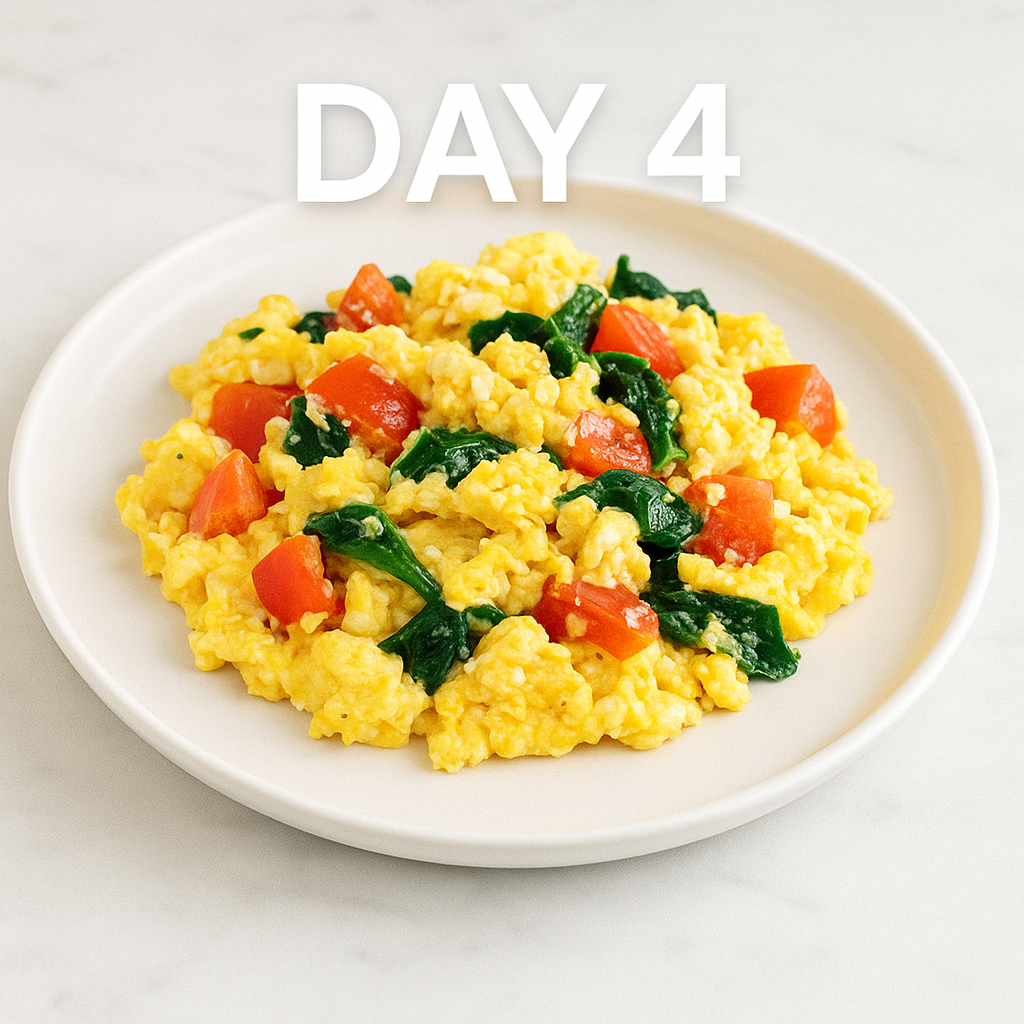
Day 4 of the low sodium meal plan for seniors, Scrambled Eggs with tomatoes and spinach

Why Day 4 Supports Heart Health After 60

Day four continues building balance by combining protein, fiber, and naturally flavorful ingredients that reduce the need for added salt. The emphasis remains on whole foods prepared with herbs and spices instead of packaged sauces.

Breakfast features scrambled eggs paired with tomatoes and spinach. Eggs provide high-quality protein that supports muscle maintenance and steady morning energy. Spinach adds potassium and magnesium, which are important minerals for maintaining healthy blood pressure levels. Tomatoes contribute antioxidants and natural moisture, helping create flavor without relying on salt.

Lunch introduces quinoa, a whole grain that contains both fiber and plant-based protein. Roasted vegetables add texture and natural sweetness. A simple squeeze of lemon brightens the dish and enhances flavor naturally. Using citrus instead of bottled dressings helps keep sodium intake under control while still making the meal satisfying.

Dinner highlights a low-sodium chicken stir-fry. Lean chicken provides protein without excessive saturated fat. Broccoli, peppers, and snap peas add fiber, vitamins, and color. Garlic and ginger deliver bold flavor without the need for soy sauce or salty marinades. When prepared carefully, stir-fry can be both heart-conscious and comforting.

Snacks remain simple and nourishing. Sliced pears provide fiber and natural sweetness. Unsalted walnuts offer healthy fats that support cardiovascular wellness and help keep hunger steady between meals.

Estimated Sodium for Day 4

When prepared without bottled sauces or added salt, this day typically falls between approximately 1,300 to 1,500 milligrams of sodium, depending on portion size and ingredient selection.

Simple Substitutions If Needed

If quinoa is not available, brown rice or farro can be used.
If eggs are not preferred, tofu scramble with vegetables can replace breakfast protein.
If stir-fry vegetables are limited, zucchini or green cabbage work well.

Day four reinforces a key principle of heart-conscious eating: flavor does not have to come from salt. Fresh ingredients, herbs, and simple preparation methods can make meals satisfying while supporting long-term cardiovascular health.

👉Video: Watch videos of low sodium meals been prepared.

Day 5

Breakfast

Whole-grain toast topped with avocado and a sprinkle of pepper.

Lunch

Beef and vegetable stew using low-sodium broth.

Dinner

Roasted turkey breast with mashed sweet potatoes and asparagus.

Snacks

Cottage cheese (low-sodium) • Grapes.
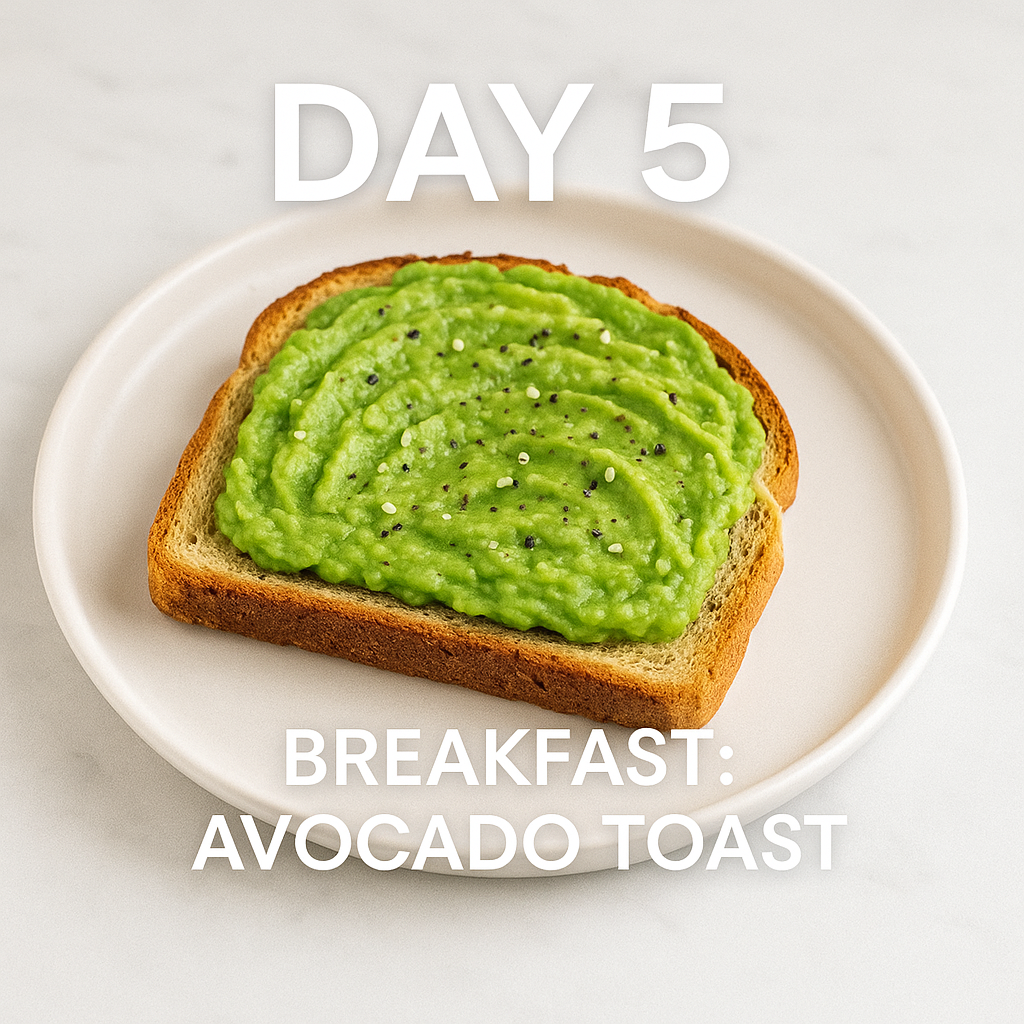
Day 5 of the 7 day low sodium meal plan. Breakfast: Avocado Toast

Why Day 5 Supports Heart Health After 60

Day five brings a comforting mix of familiar flavors while continuing to prioritize lower sodium preparation and balanced nutrition. The goal remains steady energy, circulation support, and manageable portion sizes.

Breakfast keeps things simple with whole-grain toast topped with avocado. Whole grains provide fiber, which supports healthy digestion and helps maintain steady cholesterol levels. Avocado contributes heart-supportive monounsaturated fats and potassium. A sprinkle of pepper adds flavor without relying on salt, demonstrating how small adjustments can reduce sodium intake significantly over time.

Lunch introduces a beef and vegetable stew prepared with low-sodium broth. Lean cuts of beef can still fit into a heart-conscious plan when portions are moderate. Vegetables such as carrots, celery, and potatoes increase fiber and add natural flavor to the stew. Using low-sodium broth instead of regular canned versions can dramatically reduce overall sodium levels while preserving a traditional, comforting taste.

Dinner features roasted turkey breast paired with mashed sweet potatoes and asparagus. Turkey breast provides lean protein with less saturated fat than many red meats. Sweet potatoes add potassium and fiber, helping balance sodium in the body. Asparagus offers additional nutrients and a light texture that rounds out the meal without heaviness.

Snacks remain balanced and practical. Low-sodium cottage cheese offers protein and calcium, while grapes provide hydration and natural sweetness without added sugars.

Estimated Sodium for Day 5

When low-sodium broth and reduced-sodium cottage cheese are used, this day typically falls between approximately 1,400 to 1,700 milligrams of sodium, depending on portion sizes and product selection.

Simple Substitutions If Needed

If avocado is not preferred, natural peanut butter (unsalted) on whole-grain toast can be used.
If beef stew is too heavy, vegetable and barley soup can replace it.
If turkey breast is unavailable, baked chicken breast works well.

Day five demonstrates that heart-conscious eating can still include comforting meals. The key is preparation, portion awareness, and mindful ingredient choices rather than complete restriction.

Day 6

Breakfast

Overnight oats with cinnamon and diced apples.

Lunch

Hummus with raw vegetables and whole-grain crackers (low-sodium).

Dinner

Baked chicken thighs with rosemary, quinoa, and roasted Brussels sprouts.

Snacks

Orange slices • Unsalted pistachios.
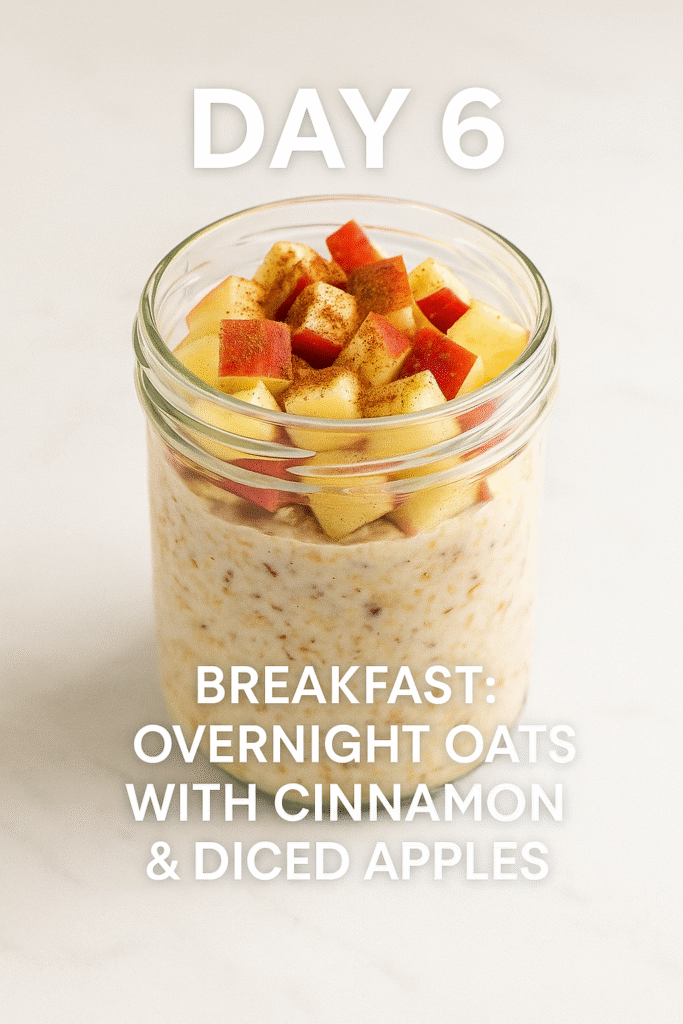
Day 6 Overnight Oats with cinnamon and diced apples

Why Day 6 Supports Heart Health After 60

Day six emphasizes fiber, balanced protein, and naturally flavorful herbs that reduce the need for added salt. The meals are simple, familiar, and designed to support steady energy throughout the day.

Breakfast begins with overnight oats flavored with cinnamon and diced apples. Oats provide soluble fiber that supports healthy cholesterol levels. Apples add natural sweetness and additional fiber, while cinnamon enhances flavor without sodium. Preparing oats overnight also makes mornings easier, especially for those who prefer less time in the kitchen.

Lunch focuses on hummus paired with raw vegetables and low-sodium whole-grain crackers. Hummus, made primarily from chickpeas and olive oil, offers plant-based protein and heart-supportive fats. Raw vegetables such as carrots, cucumbers, and bell peppers provide hydration and crunch without increasing sodium. Choosing crackers labeled low-sodium helps prevent hidden salt intake, which is common in packaged foods.

Dinner includes baked chicken thighs seasoned with rosemary. Fresh herbs like rosemary add depth of flavor naturally, reducing the need for salty marinades. Quinoa contributes fiber and plant-based protein, while roasted Brussels sprouts provide nutrients and a slightly crisp texture when prepared with minimal oil. This combination supports fullness and balanced digestion in the evening.

Snacks remain light and supportive. Orange slices offer vitamin C and hydration, while unsalted pistachios provide healthy fats and plant protein that help maintain steady blood sugar between meals.

Estimated Sodium for Day 6

When prepared without added salt and with low-sodium crackers, this day typically falls between approximately 1,300 to 1,600 milligrams of sodium, depending on portion sizes and specific product choices.

Simple Substitutions If Needed

If quinoa is not available, brown rice or barley can be used.
If hummus is not tolerated well, mashed white beans with olive oil and lemon can replace it.
If chicken thighs are not preferred, baked chicken breast or grilled tofu are suitable alternatives.

Day six reinforces that heart-conscious eating can remain satisfying and flavorful through the thoughtful use of herbs, whole grains, and plant-based ingredients.

👉Video: Watch videos of low sodium meals been prepared.

Day 7

Breakfast

Fruit and yogurt parfait with oats and honey.

Lunch

Vegetable and bean chili (no-salt tomatoes, low-sodium seasoning).

Dinner

Grilled shrimp with couscous and steamed spinach.

Snacks

Pumpkin seeds • Light cheese stick (reduced sodium).
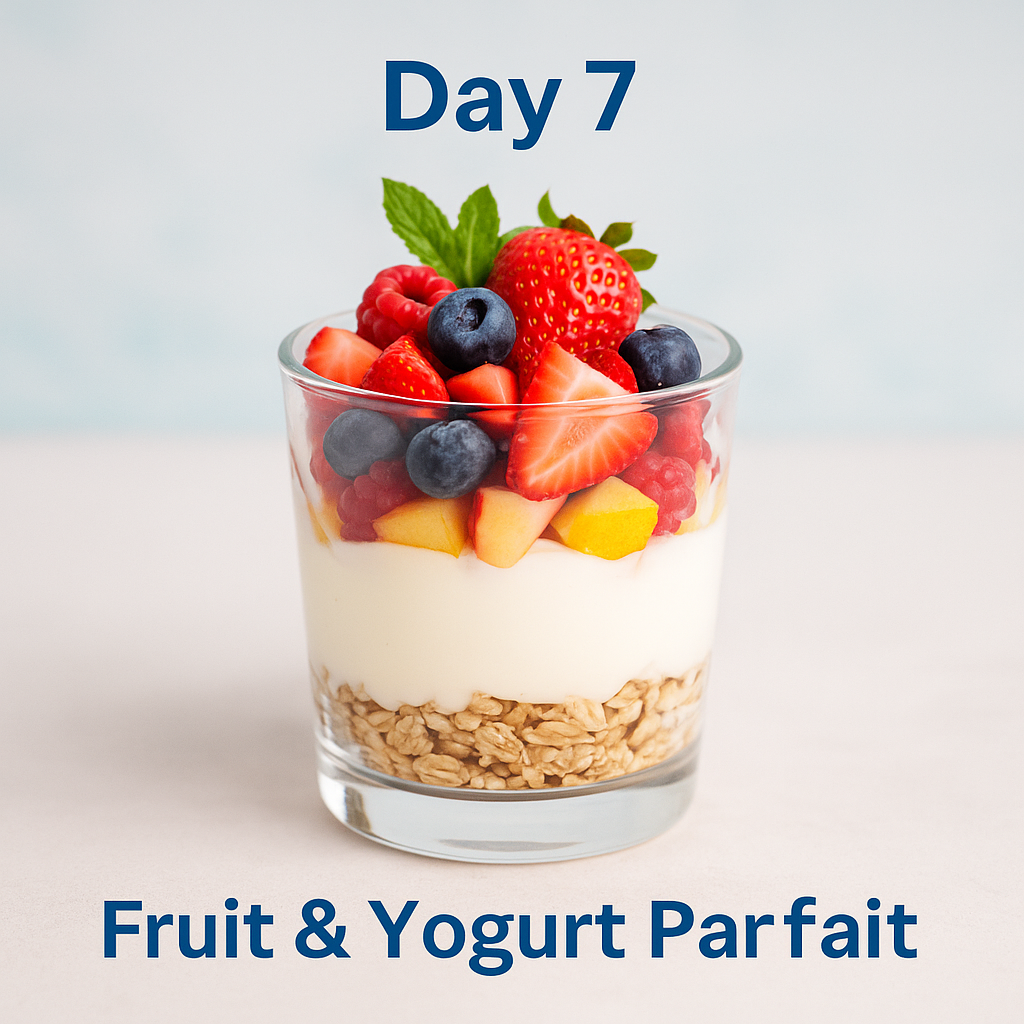
Day 7 low sodium aka salt break fast fruit and yogurt parfait

Why Day 7 Supports Heart Health After 60

Day seven brings the week together with balanced portions, plant-based fiber, and lean protein sources that support circulation and steady energy. The focus remains on flavor through natural ingredients rather than added salt.

Breakfast features a fruit and yogurt parfait layered with oats and a light drizzle of honey. Yogurt provides protein and calcium, while fresh fruit contributes antioxidants and hydration. Oats add soluble fiber that supports healthy cholesterol levels. A modest amount of honey offers sweetness without relying on processed syrups, helping keep overall sodium low.

Lunch centers on vegetable and bean chili prepared with no-salt-added tomatoes and low-sodium seasoning blends. Beans are rich in fiber and plant-based protein, which help maintain fullness and steady blood sugar. Using no-salt tomatoes and carefully selected seasonings keeps sodium controlled while still delivering a comforting, familiar flavor. This type of meal supports heart health while remaining satisfying.

Dinner includes grilled shrimp paired with couscous and steamed spinach. Shrimp provides lean protein in moderate portions. Couscous offers light, easily digestible carbohydrates, and spinach contributes potassium and magnesium — minerals that play a role in maintaining healthy blood pressure. Preparing the meal with herbs, garlic, and lemon instead of salt enhances taste naturally.

Snacks remain practical and portion-conscious. Pumpkin seeds provide healthy fats and plant-based protein, while a reduced-sodium light cheese stick offers calcium and additional protein without significantly increasing daily sodium intake.

Estimated Sodium for Day 7

When no-salt-added tomatoes and reduced-sodium cheese are used, this day typically falls between approximately 1,400 to 1,700 milligrams of sodium, depending on portion size and preparation methods.

Simple Substitutions If Needed

If shrimp is not preferred, grilled salmon or baked tofu can be used.
If couscous is unavailable, brown rice or whole-grain pasta work well.
If yogurt is not tolerated, cottage cheese labeled low-sodium can replace it in the parfait.

Day seven completes the week by showing that heart-conscious meals can still feel varied, flavorful, and satisfying. With thoughtful preparation and attention to ingredient labels, maintaining a lower sodium pattern becomes manageable rather than restrictive.


To keep sodium low and meals flavorful, use this simple shopping checklist:

Choose 👍These Often:

  • Fresh meats, fish, and poultry
  • Fresh or frozen vegetables
  • Low-sodium broths and sauces
  • Beans, lentils, whole grains
  • Fresh herbs and garlic
  • Healthy fats like olive oil
Heart-Healthy Shopping Tips for Seniors

Limit or Avoid:👎

  • Canned soups
  • Deli meats
  • Pre-seasoned frozen meals
  • Instant noodles
  • Condensed soups
  • Salted snacks
  • Fast food

If you buy packaged foods, choose items labeled “low sodium” or “no salt added.”

StarKist Less Sodium Premium White Chicken – 2.6 oz Pouch (Pack of 12)
  • Premium Chicken: Starkist 25% Less Sodium Premium White Chicken pouches feature fully…
  • 25% Less Sodium: Our chicken pouch has 15g of protein, 80 calories and 270mg of sodium per…
  • Versatile Flavor – Our ready to eat chicken is great for enjoying in your favorite…
  • No Drain Pouch. This is the first pouch chicken that truly does not require draining. Our…
SUNGIVEN Organic Ramen Noodles Healthy Low Sodium Ready in 3 Minutes Non-Fried Instant No Additives or Preservatives 2.46 OZ (Pack of 10)
  • PREMIUM ORGANIC INGREDIENTS: With more Clean and simple ingredients, organic non-GMO…
  • LOW SODIUM 75mg: organic ramen is crafted with a low-sodium recipe, perfect for those…
  • QUICK AND EASY, READY IN 3 MINUTES: Perfect for busy days, our ramen is designed for quick…
  • CREATE NOODLES MASTERPIECE: Pure Original Ramen, without any seasoning packets, allows you…
SaltMe! Original Potato Chips – 24 count 1oz Bags – 50% Less Sodium, Kosher, Non-GMO, Gluten Free – Less Salt, Great Flavor
  • Deliciously Crispy Chips – Enjoy lip-smacking chips from SaltMe! Made with high quality…
  • Full Flavor, Less Salt. No need for snacking to be a choice between tasty and healthy! A…
  • SaltMe! uses salt particles 100x smaller than regular salt. All the salt melts in your…
  • Made with our unique salt technology – Our snacks feature a revolutionary patented salt…

Why Hydration Matters More Than Many Realize

Hydration plays a significant role in how the heart performs. Even mild dehydration can influence circulation. According to the Cleveland Clinic, inadequate fluid intake may contribute to elevated blood pressure, increased heart rate, and fatigue.

For older adults, maintaining steady hydration becomes especially important when following a lower-sodium eating pattern. Sodium helps the body retain fluid, so when sodium intake decreases, consistent water intake becomes even more essential.

A practical goal for many seniors is around six to eight cups of fluid per day, unless otherwise directed by a healthcare provider. However, individual needs vary based on medications, activity level, and medical history. Using a hydration calculator can help personalize this target and make daily tracking easier.

Who This Meal Plan Is Designed For

This 7-day low-sodium plan is especially supportive for:

• Adults over 60 working to maintain long-term heart health
• Seniors managing high blood pressure
• Individuals experiencing fluid retention or mild swelling
• Anyone advised by a healthcare professional to reduce sodium intake
• Older adults who prefer simple meals made with whole ingredients

If you have heart failure, kidney concerns, or specific medical restrictions, always follow your doctor’s personalized recommendations before adjusting sodium intake.

Simple Ways to Make This Plan Easier to Follow

Healthy eating becomes sustainable when preparation is manageable. A few small habits can make a noticeable difference:

Preparing vegetables once per week reduces daily effort.
Cooking proteins in batches saves time and simplifies meal assembly.
Using herbs, citrus, garlic, and spices instead of bottled sauces keeps flavor high and sodium low.
Keeping ready-to-eat low-sodium snacks available prevents impulse choices.
Drinking water consistently throughout the day supports circulation and energy.
Limiting processed foods reduces hidden sodium exposure.

These practical steps reduce stress and help transform heart-conscious eating into a routine rather than a challenge.

Final Thoughts

Lowering sodium after 60 is not about restriction — it is about awareness. Small changes, such as choosing fresh ingredients over packaged options and seasoning with herbs instead of salt, can reduce strain on the heart over time.

This meal plan demonstrates that heart-supportive eating can remain flavorful, balanced, and realistic. With consistent habits and mindful preparation, protecting your cardiovascular health becomes an achievable daily practice.

If you would like to continue building your nutrition knowledge, visit the Senior Nutrition & Healthy Eating Hub for additional guides, tools, and practical resources designed specifically for older adults.

You can also watch preparation videos featuring low-sodium meal ideas for step-by-step guidance in your own kitchen.

👉Video: Continue reading and watch videos of low sodium meals been prepared. or visit the main “Senior Nutrition & healthy Eating Hub” for a full list.

Important Health Disclaimer

This meal plan is for educational and informational purposes only. It is not medical advice and should not replace guidance from your physician or registered dietitian. Sodium needs vary depending on medications, heart conditions, kidney function, and individual health history. If you have heart failure, kidney disease, diabetes, or specific dietary restrictions, consult your healthcare provider before making changes to your sodium intake or meal routine. Always follow personalized medical recommendations over general nutrition guidance.

Frequently Asked Questions

How much sodium should adults over 60 consume daily?

Many health organizations suggest limiting sodium to around 1,500–2,300 milligrams per day, depending on individual health conditions. Your doctor may recommend a lower amount if you have high blood pressure or heart concerns.

Can I follow this meal plan if I have high blood pressure?

Yes, this plan is designed to help support healthy blood pressure by emphasizing fresh foods and reducing processed ingredients. However, always confirm dietary changes with your healthcare provider.

Are low-sodium diets safe for seniors?

For most older adults, reducing excess sodium can be beneficial. However, individuals with certain medical conditions may need personalized guidance. Always consult your doctor before making major dietary changes.

What are hidden sources of sodium?

Common hidden sources include canned soups, deli meats, frozen meals, packaged sauces, salad dressings, instant noodles, and restaurant meals. Reading labels is essential.

Can I adjust portion sizes?

Yes. Portion sizes can be adjusted based on your activity level, weight goals, and physician recommendations. Focus on balance rather than restriction.

Leave a Comment

Scroll to Top