As we grow older, certain tasks that once seemed simple can become more challenging, and cooking is no exception. The kitchen can be one of the most dangerous areas in the home due to the presence of sharp objects, hot surfaces, and potential fire hazards. However, with a few safety precautions and adjustments, seniors can continue to cook independently while reducing risks. This guide outlines practical kitchen safety tips to make cooking safer and more enjoyable.
Organizing the Kitchen for Safety
A well-organized kitchen is essential for preventing accidents. Seniors should arrange their kitchen in a way that minimizes the need to reach for heavy items or stretch too much. Frequently used pots, pans, and utensils should be stored at waist level to avoid the risk of falls. Non-slip mats or rugs can help prevent slipping, especially in areas prone to spills.
Good lighting is also a crucial component of a safe kitchen. Ensuring that there is bright, even lighting over workspaces, stoves, and sinks can help prevent accidents caused by poor visibility. Installing motion-sensor lights or under-cabinet lighting can provide additional illumination where needed.
Using the Right Tools and Appliances
Kitchen tools should be easy to handle and require minimal effort to use. Lightweight cookware with ergonomic handles can make a significant difference for seniors with arthritis or reduced grip strength. Electric can openers, jar openers, and one-touch buttons on appliances can simplify tasks that require dexterity.
Choosing appliances with safety features, such as automatic shut-off functions on stoves, kettles, and toasters, can prevent overheating and fire hazards. Induction cooktops are a great alternative to traditional stoves because they do not generate an open flame and remain cool to the touch, reducing the risk of burns.
Preventing Fire Hazards
One of the biggest risks in the kitchen is fire. Seniors should always remain in the kitchen while cooking to monitor food closely. If leaving the kitchen is necessary, setting a timer can serve as a reminder to check on food.
Keeping flammable materials like dish towels, paper towels, and curtains away from heat sources can also reduce fire risk. Seniors should be cautious with loose clothing while cooking, as flowing sleeves can accidentally catch fire. Instead, wearing fitted clothing or rolling up sleeves is a safer option.
Having a fire extinguisher within easy reach is crucial in case of emergencies. It is also important to know how to use it properly. Seniors should consider installing a smoke detector in the kitchen and testing it regularly to ensure it functions correctly.
Reducing the Risk of Burns and Cuts
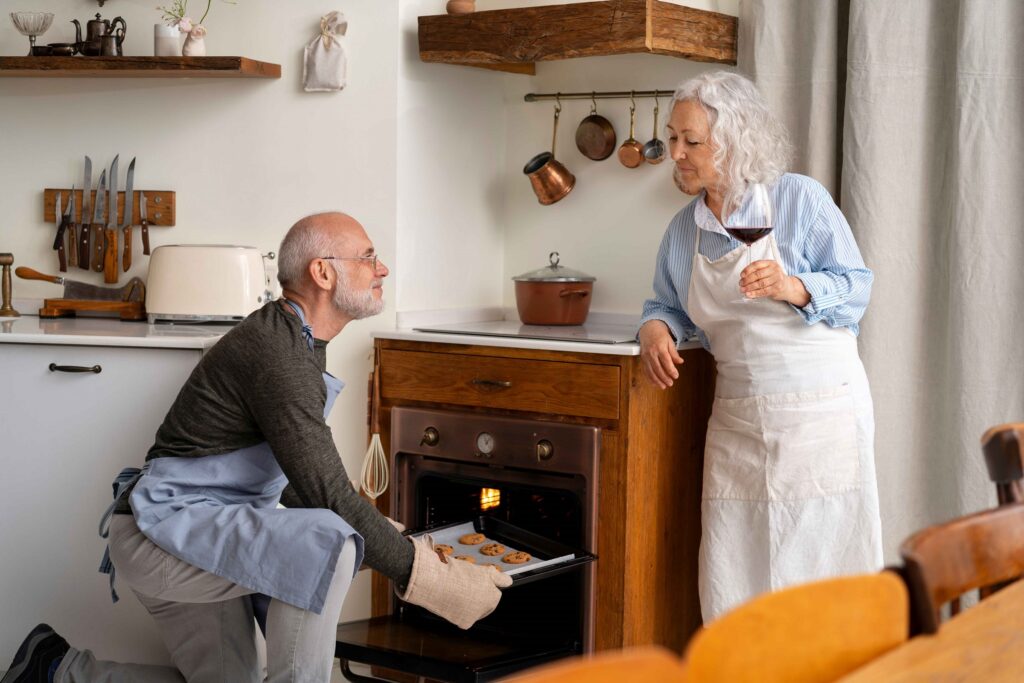
Burns and cuts are among the most common kitchen injuries. To prevent burns, seniors should use oven mitts instead of dish towels when handling hot cookware. Handles of pots and pans should be turned inward to prevent accidental spills, especially when using the stove.
To minimize the risk of cuts, seniors should use sharp knives instead of dull ones, as dull knives require more force and can slip more easily. A sturdy cutting board with non-slip grips can provide stability when slicing food. Finger guards or cut-resistant gloves can also provide extra protection when chopping ingredients.
Preventing Slips and Falls
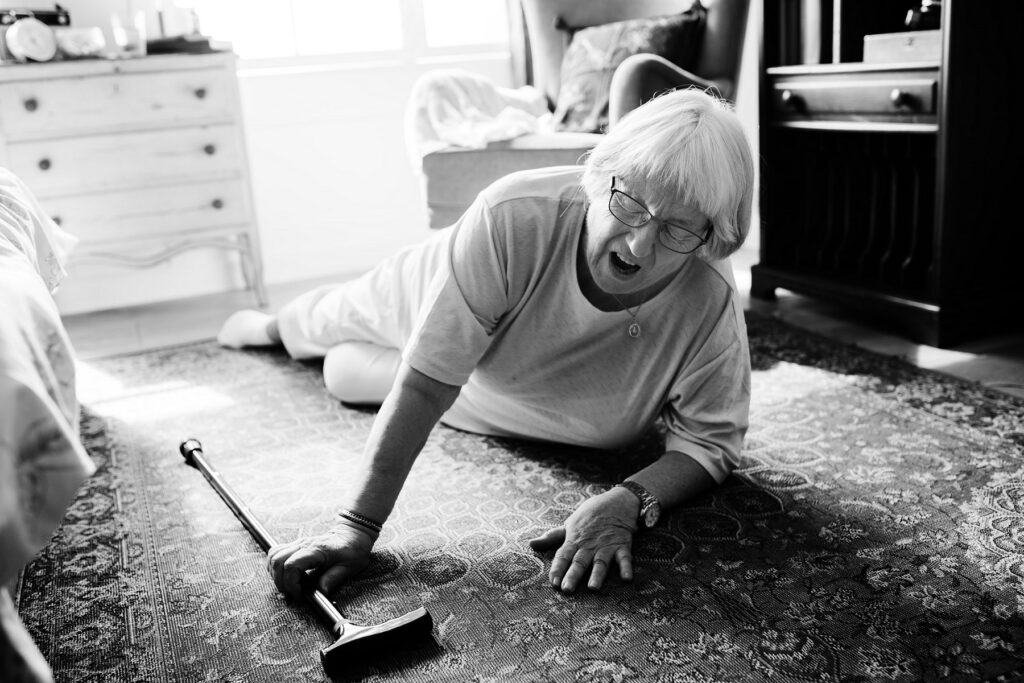
Spills are inevitable in the kitchen, but they can be a serious hazard for seniors. Cleaning up spills immediately and ensuring floors are dry can help prevent slipping. Installing grab bars near cooking and sink areas can offer additional support.
Using a sturdy step stool with a handle is a safer alternative to climbing onto chairs when reaching for items. Seniors should also wear non-slip shoes while in the kitchen to provide extra stability.
Healthy and Safe Cooking Habits
Seniors should be mindful of food safety to prevent illness. Checking expiration dates, properly storing perishable foods, and cooking meats to the appropriate temperature can prevent foodborne illnesses. Leftovers should be stored in airtight containers and refrigerated promptly.
Hydration is also important, especially when cooking for extended periods. Seniors should keep a water bottle nearby and take breaks if they start feeling fatigued. Having a comfortable, sturdy chair in the kitchen can provide a place to rest if needed.
Seeking Assistance When Necessary
While maintaining independence is important, seniors should not hesitate to ask for help when needed. Family members, caregivers, or even meal delivery services can assist with tasks that may become too difficult over time.
Smart technology, such as voice-activated assistants, can also be helpful in the kitchen. These devices can set timers, read recipes aloud, and provide reminders for important tasks like turning off appliances.
Conclusion
Cooking should remain a safe and enjoyable activity for seniors, and with the right precautions, it can be. By organizing the kitchen efficiently, using senior-friendly tools, practicing fire safety, and being mindful of common hazards, seniors can maintain their independence while ensuring a safe cooking environment. With small adjustments and the right support, seniors can continue preparing their favorite meals while staying safe in the kitchen.