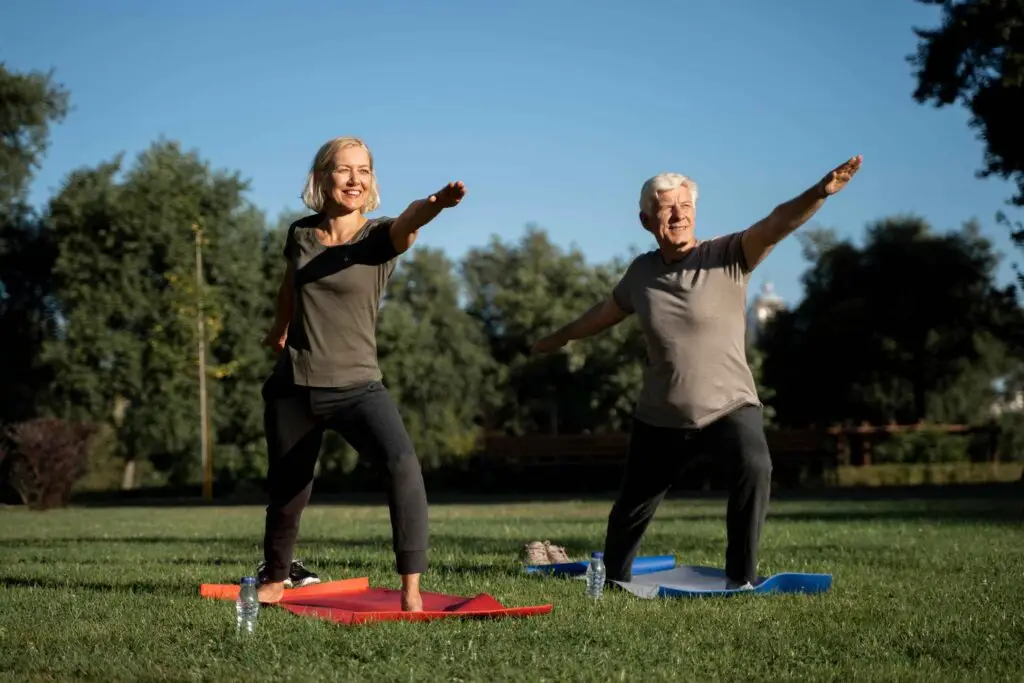
Tai Chi is widely known for its slow and graceful movements, but many people are surprised to learn that it can also be practiced while sitting. Chair Tai Chi allows older adults to experience the benefits of Tai Chi even if standing for long periods feels uncomfortable or unsafe.
For seniors who experience balance concerns, joint stiffness, or limited mobility, seated Tai Chi provides a gentle way to stay active without putting strain on the body. The movements remain slow and controlled, focusing on breathing, posture, and smooth arm motion.
Chair Tai Chi can be practiced almost anywhere — in the living room, on a patio, or even during a short break throughout the day. A sturdy chair and a few minutes of time are all that is needed to begin.
Why Chair Tai Chi Works Well for Seniors

Seated Tai Chi focuses on upper-body movement and gentle torso motion while the body remains supported by a chair. This removes much of the pressure on the knees, hips, and lower back that can sometimes make standing exercise difficult.
Because the movements are slow and controlled, chair Tai Chi can help maintain flexibility in the shoulders, arms, and spine while still encouraging calm breathing and relaxation.
Many older adults find that practicing seated Tai Chi helps reduce stiffness and improves circulation, especially during times when long walks or standing exercises are not practical.
Chair Tai Chi is also commonly used in senior centers and rehabilitation programs because it allows individuals with different mobility levels to participate comfortably.
Choosing the Right Chair for Tai Chi Practice
Before beginning seated Tai Chi movements, it is important to use a stable chair. A sturdy chair with a flat seat and no wheels provides the safest support.
Sit toward the front portion of the chair rather than leaning against the backrest. This position allows the spine to remain upright while still maintaining the stability of the chair.
Both feet should rest flat on the floor, about shoulder-width apart. Keeping the feet grounded helps maintain balance while the upper body moves gently during the exercises.
Gentle Seated Arm Raise

This movement introduces the slow breathing rhythm used in Tai Chi.
Sit comfortably with your shoulders relaxed and your hands resting on your thighs. Slowly raise both arms forward until they reach chest height.
Pause briefly, then gently lower the arms back to the starting position while breathing out.
Repeat the movement five to eight times. The motion should feel smooth and relaxed rather than forced.
Seated Cloud Hands Movement
Cloud hands is one of the most recognizable Tai Chi movements and adapts well to seated practice.
Start with your hands resting comfortably in front of you. Slowly move your right hand across your body at chest height while your left hand follows slightly below it.
Allow your torso to turn slightly with the motion. Then reverse the movement and move both hands back across the body in the opposite direction.
This movement encourages coordination and helps loosen the shoulders and upper back.

Gentle Seated Torso Rotation
Slow torso rotation helps maintain flexibility in the spine and improves body awareness.
Sit upright with your hands resting lightly on your thighs. Slowly turn your upper body toward the left side while keeping the hips facing forward.
Pause briefly, then return to the center before turning gently toward the right side.
Move slowly and keep the shoulders relaxed throughout the motion.
Seated Breathing and Closing Movement
Many Tai Chi routines finish with a calming breathing movement.
Sit comfortably and slowly raise your arms outward to shoulder height. Then gently bring the hands down toward your lap while taking a slow breath out.
Repeating this movement several times helps signal the end of the practice session and allows the body to relax.
How Often Seniors Should Practice Chair Tai Chi
Chair Tai Chi sessions do not need to be long to be beneficial. Many beginners start with five minutes of movement once or twice a day.
As comfort increases, sessions can gradually extend to ten or fifteen minutes. The goal is to move consistently rather than pushing the body too hard.
Some seniors enjoy practicing seated Tai Chi in the morning to loosen the body, while others prefer a short evening session to relax before bedtime.
Safety Tips for Practicing Chair Tai Chi
Although chair Tai Chi is gentle, a few simple precautions can make practice safer.
Always use a stable chair that does not roll or slide. Keeping both feet flat on the floor helps maintain balance during movement.
Movements should remain slow and controlled. If any motion causes discomfort or dizziness, it is best to stop and rest.
If you have medical concerns about beginning new physical activity, speaking with a healthcare professional can help determine what level of exercise is appropriate.
Final Thoughts
Chair Tai Chi offers a simple and accessible way for older adults to stay active even when standing exercise feels difficult. The seated movements support flexibility, coordination, and calm breathing without placing strain on the joints.
For many seniors, these gentle routines provide a comfortable path toward maintaining mobility and overall well-being.
If you are new to Tai Chi, you may also want to read our beginner guide to Tai Chi for Beginners Over 60, which introduces the basic movements used in many Tai Chi routines.
FAQ: Frequently Asked Questions
Is chair Tai Chi safe for seniors?
Chair Tai Chi is generally considered a safe and gentle activity for older adults because the movements are slow and controlled while the body remains supported by a chair. Many seniors choose chair Tai Chi when standing exercises feel difficult or uncomfortable.
What type of chair should be used for chair Tai Chi?
A sturdy chair without wheels is usually best. The chair should remain stable on the floor and allow both feet to rest flat while sitting upright near the front of the seat.
How long should seniors practice chair Tai Chi?
Many beginners start with five minutes of practice once or twice per day. As comfort improves, sessions can gradually increase to ten or fifteen minutes while keeping movements slow and relaxed.
Can chair Tai Chi help improve flexibility?
Chair Tai Chi includes gentle arm movements, torso rotation, and controlled breathing that may help maintain flexibility and reduce stiffness, especially in the shoulders, back, and arms.
Is chair Tai Chi good for people with limited mobility?
Yes. Chair Tai Chi is often recommended for individuals with balance concerns, joint stiffness, or limited mobility because it allows movement without the need to stand.