

Most people do not forget that water matters. What usually happens is much simpler. The day gets busy, meals come and go, coffee takes over the morning, errands or work fill the afternoon, and by evening it becomes clear that very little plain water was actually consumed. That is why learning how to track your daily water intake can be so helpful. It turns hydration from a vague intention into something visible, practical, and much easier to stay consistent with.
The good news is that tracking your water intake does not need to feel like homework. You do not need an elaborate system, a complicated app, or a notebook filled with charts unless that is what works for you. In many cases, the best method is the one that fits naturally into your day and gives you a simple way to notice whether you are keeping up. Once that happens, drinking enough water often becomes much easier.
This guide walks through the best ways to track daily water intake, including simple habits, reminder methods, water tracker tools, and app-based options. Whether you prefer a low-tech routine or something more structured, there is a method here that can help you stay on track without making hydration feel like one more task on your list.
Why Tracking Your Water Intake Helps
A lot of people assume they will naturally drink enough water if they are thirsty. Sometimes that happens. Sometimes it does not. When the day moves quickly, it is easy to underestimate how little water you have actually had. One glass in the morning and one later in the day can feel like more than it really is, especially if you are also drinking coffee, tea, or other beverages.

Tracking helps because it gives you a clearer picture. Instead of guessing, you can see what is happening. That awareness alone can improve habits. Many people find that once they start paying attention, they naturally drink water more consistently because the goal is no longer abstract. It becomes something they can measure and respond to throughout the day.
Tracking can also help you spot patterns. You may notice that mornings are easy but afternoons are where you fall behind. You may realize you drink more water at home than when you are out. You may see that you do well on weekdays but not on weekends. Those patterns matter because they show you where a small adjustment can make the biggest difference.
Best Ways to Track Daily Water Intake
There is no single best method for everyone. The right system depends on your routine, your personality, and how much structure you like. Some people do well with visible cues. Others want digital reminders. Some prefer to keep things very simple. The smartest move is to choose one method you can realistically maintain.
One of the easiest ways to track water intake is by using a reusable water bottle with ounce or milliliter markings. This gives you a quick visual reference throughout the day. You do not need to remember how many glasses you had or estimate what was in each cup. You can simply look at the bottle and see how much is gone. For many people, this is the simplest and most effective starting point.
Another helpful method is using a fixed number of refills. For example, if your bottle holds 24 ounces and your daily goal is around 72 ounces, you know that three full bottles gets you there. This removes the need to track every sip. You just count completed refills.
Some people prefer writing it down. A note on paper, a planner, or a small hydration log can work surprisingly well. This is especially useful if you like crossing things off or seeing a visual record of progress. It may seem old-fashioned, but simple systems often last longer because they are easy to understand and easy to repeat.
Digital tools can also be helpful. A phone note, habit-tracking app, or dedicated water tracker app can make the process feel more interactive. These tools can be useful for people who already manage parts of their routine on their phone and like automated prompts.
Helpful Items Some Readers Use to Track Water Intake

- Stay Hydrated Throughout the Day: staying hydrated is often easier said than done. With the Sahara Sailor clear water bottle…
- Easy Open yet Leakproof: this water bottle features a leakproof lid with a flip-lock to avoid leakage when you throw it in…
- BPA Free and Non-toxic: Sahara Sailor’s reusable water bottle is made from Tritan material to ensure your safe and pleasant…

- Track how much you drink – Our BPA Free one gallon water bottle comes with time markers on the side so you can see your daily…
- Large 1 gallon capacity – Our 1 gallon water bottle with straw is durable, light and portable. Drink all the water you need…
- 2 different lids included – This 1 gallon water jug includes 2 interchangeable 100% leak-proof lids, one with a silicone…


- Cold for 24h, Cozy for 12h: POWCAN’s double-wall vacuum insulation keeps drinks ice-cold for a full day and pleasantly warm…
- Versatile 2-in-1 Lid: Features a straw for easy sipping and a spout for effortless pouring or chugging; simplifying beverage…
- No Spills, Just Thrills: Our stainless steel water bottle is leak-proof, even on exciting adventures; toss it in your bag…
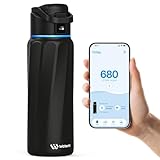
- IDEAL FOR YOUR LOVERS: Given its combination of smart features, excellent insulation, and stylish design, the BOOST water…
- REMINDER TO REACH GOAL: WaterH smart water bottle is a game-changer with built-in hydration reminders and tracking. The halo…
- PRACTICAL USE DESIGNED: Stay cool with our leak-proof vacuum water bottle. The wide-mouth design makes it easy to add ice…
How to Track Your Water Intake Without Making It Complicated
One of the biggest mistakes people make is choosing a tracking system that feels too demanding. If it takes too much effort, it usually does not last. Hydration works better when the method feels light, familiar, and easy to follow.
A good rule is to reduce friction. Choose a bottle you enjoy using. Keep it where you can see it. Refill it at the same times each day. Pair water with habits that already exist in your routine. For example, drink water with breakfast, after taking vitamins, before leaving the house, when returning home, and with each meal. This keeps hydration attached to actions you already remember.
Another simple trick is to focus less on perfection and more on consistency. You do not need the perfect number every single day for tracking to be useful. The point is to notice your pattern and make it easier to improve. Even a basic habit like finishing one bottle by lunch and one more by late afternoon can make a real difference over time.
It also helps to avoid tracking too many things at once. If you are also trying to count calories, steps, sleep, and water, the whole system can feel heavy. In that case, your water tracking method should be the easiest part of your day, not another source of pressure.
How to Track Your Daily Water Intake on Your Phone
For people who already rely on their phone for organization, tracking water digitally can be a natural fit. A notes app can work well if you want something simple. You can type each refill as it happens or use check marks for bottles completed. This is low effort and does not require downloading anything new.
Reminder apps and built-in alarms are another useful option. You can create prompts at times when you usually forget to drink. Midmorning, early afternoon, and early evening reminders often work well because those are common points where people get distracted or fall behind.

Hydration apps add more structure. These apps often let you log each drink, set goals, track totals, and receive reminders. Some also show streaks or progress circles, which can be motivating for people who like visual feedback. The benefit is not that the app somehow makes water more important. The benefit is that it keeps hydration visible in a world full of distractions.
Phone-based tracking also helps when you are away from home. A paper tracker may be forgotten on the kitchen counter, but your phone is usually close by. That makes it easier to log water intake during work, errands, appointments, or travel.
Setting Reminders to Hydrate Throughout the Day
Reminder systems are often the missing piece. Many people do not struggle with drinking water once they remember. They struggle with remembering in the first place. That is why setting reminders to hydrate throughout the day can be one of the most practical solutions.
Phone alarms are the most direct method. A quiet reminder every two or three hours can work well, especially if the label says something specific like “Drink water now” instead of a generic alarm sound. Specific reminders tend to get better results because they reduce decision fatigue. You know exactly what the alert means.
Calendar reminders can also help, especially for people who already schedule their day carefully. You can place hydration prompts around meetings, errands, school pickup, or work breaks. This makes water part of your daily rhythm instead of something separate from it.
Smartwatches can be useful too. A gentle wrist reminder may feel less disruptive than a phone notification. For some people, that makes it easier to respond right away.
Another approach is habit stacking. This means attaching water to actions you already do automatically. Drink a glass after brushing your teeth. Drink one before lunch. Drink one after every bathroom break. Drink one when you sit down at your desk. These built-in triggers often work better than motivation because they rely on routine, not memory.
Simple Hydration Tools That May Help You Stay Consistent

- Drinking enough water each day, and knowing how much to drink is hard. HidrateSpark makes it easy with a personalized goal…

- 32 OZ INDIGO TUMBLER: The insulated Hydro Flask 32 oz Travel Tumbler cup with easy flow straw is here to hydrate more and…
- COLD STAYS COLD: Thanks to the double-wall vacuum insulation, drinks stay the coldest and coolest for hours in this tumbler…
- LEAK-RESISTANT: The leak-resistant press-in lid with straw on the insulated Travel Tumbler keeps drinks ready to sip. The…

- 💯This carafe has a simple and elegant appearance and a unique design. It consists of two parts, the carafe and the glass…
- 💯The glass lid can not only keep the water in the carafe from being polluted by impurities in the air, but also can be…
- 💯Material : glass; Size: 8.5cm(3.3in)*21.5cm(8.4in); Kettle capacity:750ml(25oz), Cup capacity:200ml(6.7oz)

- SAFE TO DRINK: It is made of food-grade silicone that is safe, non-toxic, and BPA-free. S1 Pro is thicker than most…
- Leak-proof & Spill-proof: Double leak-proof design – silicone sealing ring and silicone stopper, plus a detachable cup sleeve…
- Portable: The 26oz (750ml) travel portable water bottle can be easily rolled up or flattened to save space, this product…
Should You Use a Water Tracker App?
A water tracker app can be helpful, but it is not necessary for everyone. The question is not whether apps are good or bad. The better question is whether an app matches the way you already operate.
If you enjoy tracking habits digitally, like seeing graphs or streaks, and respond well to reminders, an app may make hydration easier. It can turn a vague goal into a simple daily habit with structure. Apps are especially helpful for people who tend to forget to drink until late in the day and need visible prompts.
On the other hand, apps can feel excessive if you prefer a simpler approach. If opening your phone and logging every drink starts to feel annoying, the system may not last. In that case, a marked bottle or refill count may be much more effective.
The app itself is not the goal. Consistency is the goal. If an app makes you more consistent, it is useful. If it adds friction, it is probably the wrong method for you.
Water Tracker Apps and WaterMinder: What to Know
When people search for terms like water tracker or WaterMinder, they are usually looking for a tool that can make hydration more organized. These apps are popular because they give users a place to log drinks, set goals, and receive reminders in one spot. For someone who likes structure, that can be appealing.
The main benefit of a hydration app is convenience. Instead of remembering everything on your own, the app becomes a support system. It keeps the goal visible and nudges you along during the day. Some people find that this external prompt helps them build a habit much faster than trying to rely on memory alone.
Still, the app should support your routine, not control it. If you spend more time adjusting settings than actually drinking water, it may not be helping as much as you hoped. The best app is usually the one that feels easy enough to use daily without becoming another digital chore.
For many people, apps are most useful at the beginning. They help build awareness and structure. Once the habit becomes more natural, some users continue with the app, while others switch to a simpler method like a bottle refill routine.
The Best Tracking Method Is the One You Will Actually Use
This is the most important point in the entire article. The best way to track your daily water intake is not necessarily the most advanced system. It is the one you will keep using next week and next month.
If you love apps, use an app. If you prefer a simple bottle with time markers, use that. If paper checklists keep you grounded, go with paper. Hydration does not need to look impressive. It needs to be repeatable.
It also helps to give yourself a small checkpoint each day. Ask one simple question in the afternoon: am I on track or already behind? That one moment of awareness can help you adjust before the day slips away. Small check-ins are often more powerful than big goals because they are easier to respond to in real time.
Staying hydrated is usually not about trying harder. It is about making the process easier to remember, easier to measure, and easier to repeat.
Final Thoughts
Learning how to track your water intake can make a real difference if you often end the day realizing you barely drank enough. The goal is not to turn hydration into something rigid. The goal is to create just enough structure that your good intentions become a steady habit.
For some people, that means a marked water bottle and a few refill goals. For others, it means setting reminders to hydrate throughout the day. For others, a water tracker app provides the accountability they need. Every one of these methods can work if it fits naturally into your routine.
The best place to start is with the easiest method you can stick to. Once hydration becomes more visible, staying consistent usually gets much simpler.
Frequently Asked Questions
What is the easiest way to track daily water intake?
One of the easiest ways is to use a water bottle with ounce markings and count how many times you refill it during the day. This gives you a clear visual guide without making tracking feel complicated.
How can I remember to drink water throughout the day?
Many people do better when they set phone alarms, use hydration apps, or pair drinking water with daily habits like meals, vitamins, and work breaks. Small reminders can make hydration much easier to keep up with.
Is a water tracker app better than using a bottle?
That depends on your routine. A water tracker app can be helpful if you like reminders and digital logging, while a marked water bottle is often simpler for people who want a low-effort way to stay aware of their intake.
Are hydration reminders really helpful?
Yes, reminders can be very helpful, especially for people who get busy and forget to drink water until late in the day. A simple reminder system can make hydration more consistent without much extra effort.
What are the best ways to track water intake without making it complicated?
The best low-stress methods include using a marked bottle, keeping water nearby, counting bottle refills, or attaching water breaks to routines you already follow. The easiest system is usually the one you will actually keep using.
Can I track my water intake without an app?
Yes, you can track your water intake with a notebook, a checklist, a bottle with measurements, or even a simple refill goal. An app is optional, not required.
Looking for companionship later in life? eharmony offers a dating platform many seniors use to meet people who want something more meaningful.
Meet Compatible Singles →


