

Why Walk-In Tubs Are Different From Other Home Upgrades
For many older adults, the bathroom quietly becomes the most hazardous room in the house. Smooth tile floors, tall tub walls, and even minor balance issues can turn an everyday task into a real safety concern. What once felt routine can start to feel uncertain.
Walk-in tubs are often considered when safety, independence, or long-term comfort begins to matter more than convenience or appearance. They aren’t cosmetic upgrades, and they aren’t impulse purchases. They’re functional changes tied closely to daily quality of life.
At the same time, walk-in tubs are widely misunderstood. Online information is often scattered, overly promotional, or unclear—especially when it comes to cost, insurance coverage, installation, and whether they’re truly the right solution.
This guide slows the conversation down. There’s no pressure, no assumptions, and no sales language. Whether you’re planning ahead or responding to a recent fall, health change, or mobility concern, the goal is simple: help you understand your options so you can decide with confidence.
What Exactly Is a Walk-In Tub?
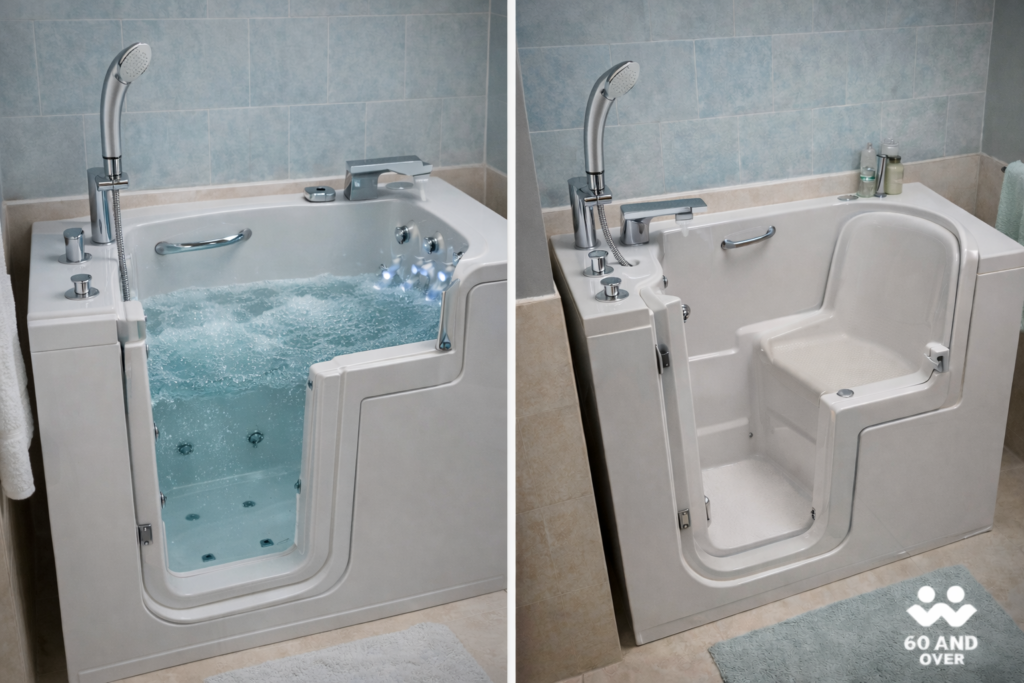
A walk-in tub is a bathtub designed with a side door, allowing someone to step into the tub rather than climbing over a high wall. Once inside, the door seals shut and the tub fills while the person remains seated.
Most walk-in tubs include core safety features such as a low step-in threshold, a watertight door, built-in seating, grab bars, and slip-resistant flooring. These features work together to reduce fall risk and make bathing more manageable.
Some models also offer therapeutic additions like water jets, air massage, or heated seating. While these can be helpful for certain people, the primary purpose of a walk-in tub is accessibility and safety—not luxury.
This short installation video shows what a standard walk-in tub looks like before and after installation
Walk-In Tub Costs: What Seniors Typically Pay
Typical Price Ranges
Most walk-in tubs fall within these general cost ranges:
- Tub only: $2,000 to $5,000
- Tub with professional installation: $6,000 to $12,000
- High-end or custom installations: $15,000 or more
The variation exists because homes, bathrooms, and individual needs differ widely.
What Influences the Price the Most?
The type of tub plays a major role. Basic soaking tubs tend to be the most affordable, while models with hydrotherapy, air jets, or reinforced designs for larger users cost more.
Bathroom modifications also affect pricing. Costs increase if plumbing must be moved, electrical upgrades are needed, walls or floors require reinforcement, or an existing tub or shower needs to be removed.
Installation complexity matters as well. Older homes, second-floor bathrooms, and non-standard layouts often require more labor, which can raise the final price.
Cost Versus Value: How Many Seniors Look at the Tradeoff
Price matters, but for many older adults, the decision isn’t strictly financial. Seniors often weigh walk-in tubs against less tangible considerations: reducing fall risk, maintaining privacy while bathing, avoiding the need for outside assistance, and staying in their home longer.
For some households, the value lies in peace of mind—both for the person bathing and for family members who worry about safety. In that context, the return isn’t measured in dollars alone.
Are Walk-In Tubs Covered by Medicare?
The Short, Clear Answer
Original Medicare (Parts A and B) does not cover walk-in tubs.
Medicare generally classifies walk-in tubs as home modifications rather than durable medical equipment. Even when a doctor recommends one for safety or mobility reasons, Medicare typically does not pay for the tub or installation.
Medicare Advantage Plans: A Limited Possibility
Some Medicare Advantage (Part C) plans may offer allowances for home safety improvements or aging-in-place modifications. These benefits vary widely by plan, location, and year.
Coverage is never guaranteed, but for those enrolled in Medicare Advantage, calling the plan directly and asking about home modification benefits is worthwhile.
Other Ways Seniors Sometimes Offset the Cost
When Medicare doesn’t apply, some seniors explore alternative forms of assistance. These may include Veterans Affairs housing grants, state or local aging-services programs, Medicaid waiver programs in certain states, or manufacturer financing options.
Availability depends heavily on location, eligibility, and timing, but these paths are often explored alongside traditional payment methods.
“Medicare-Approved” Walk-In Tubs: What That Phrase Really Means
Marketing terms like “Medicare-approved” or “Medicare-compliant” walk-in tubs can be misleading. Medicare does not maintain an approval list for walk-in tubs, nor does it certify specific models.
Seeing these phrases doesn’t necessarily mean a tub is unsafe or low quality. It simply means the wording is promotional rather than an official Medicare designation.
Step-In Bathtubs vs. Walk-In Tubs
Some seniors consider step-in bathtubs as a lower-cost alternative.
Step-in tubs usually have a lower threshold than standard bathtubs but do not include a full door. They still require stepping over a ledge and standing while bathing, which may not suit everyone.
Walk-in tubs, by contrast, offer full door entry and built-in seating, making them more suitable for limited mobility. They cost more, but they’re designed specifically for safety and accessibility.
The right choice depends on balance, leg strength, budget, and expectations for future mobility.
Pros and Cons to Consider Honestly
Walk-in tubs offer meaningful safety benefits, including reduced fall risk, built-in seating, grab bars, and slip-resistant surfaces. They support independent bathing and can be tailored to individual needs.
At the same time, they come with tradeoffs. The upfront cost is significant, users must remain seated while the tub fills and drains, insurance coverage is limited, and installation can be disruptive.
Understanding both sides clearly helps prevent disappointment later.
Buying Through Major Retailers Like Lowe’s
Some large home improvement stores partner with walk-in tub manufacturers and installers. These arrangements often bundle the tub and installation, include in-home consultations, and offer financing options.
It’s important to know who is actually responsible for installation and warranty support, since the retailer may act as a middleman. Getting multiple quotes and reading reviews for both the manufacturer and installer can make a meaningful difference.
How to Tell If a Walk-In Tub Makes Sense for You
A walk-in tub may be a good fit if stepping over a tub wall feels unsafe, balance or joint pain makes standing difficult, independent bathing is important, and you plan to remain in your home long-term.
It may be less suitable if walk-in showers already meet your needs, waiting for the tub to fill and drain feels uncomfortable, or budget limitations are a primary concern.
Final Thoughts: This Is a Decision Worth Taking Slowly
Walk-in tubs aren’t quick upgrades. They’re safety decisions, lifestyle decisions, and long-term comfort decisions.
If you’re researching for yourself or helping a parent, it’s worth taking time to compare options, ask direct questions, ignore pressure tactics, and focus on long-term needs rather than short-term urgency.
The right choice is the one that keeps bathing safe, dignified, and as stress-free as possible.
Frequently Asked Questions About Walk-In Tubs for Seniors
Do walk-in tubs really reduce fall risk?
Walk-in tubs can reduce fall risk by eliminating the need to step over a high tub wall. Built-in seating, grab bars, and slip-resistant flooring also improve stability during bathing.
Does Medicare pay for walk-in tubs?
Original Medicare does not cover walk-in tubs because they are considered home modifications, not medical equipment. Some Medicare Advantage plans may offer limited allowances.
How long does it take to install a walk-in tub?
Installation usually takes one to two days, depending on plumbing changes, electrical work, and whether the existing tub or shower must be removed.
Are walk-in tubs better than walk-in showers for seniors?
It depends on mobility and comfort. Walk-in tubs are helpful for those who prefer seated bathing, while walk-in showers may be better for those who don’t want to wait for filling and draining.
Can I stay in my home while a walk-in tub is installed?
In most cases, yes. Installation is localized to the bathroom, though temporary water shutoff may be required during the process.
Explore Walk-In Tub Options for Seniors
If you’re ready to see what walk-in tubs are available today, we’ve put together a separate resource that highlights different styles, features, and configurations designed for senior safety and comfort.
This page focuses on helping you compare options at your own pace, including tubs with built-in seating, low-entry doors, and accessibility features commonly used for aging in place.