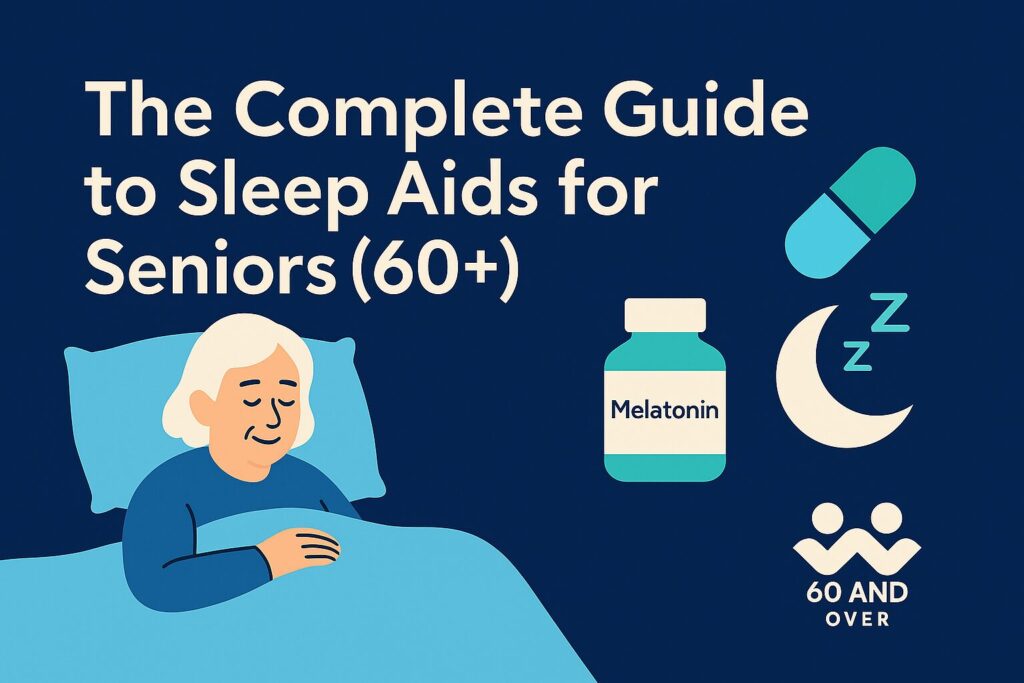

Sleep problems are extremely common for older women, and they can feel especially frustrating when exhaustion builds up night after night. Many women reach a point where they begin wondering whether a sleep medication might finally provide relief. The truth is, sleep medicines can help in certain situations — but in later life, they also come with risks that deserve careful attention.
This guide explains the most important things older women should know about sleep medications, which options doctors tend to be cautious with, and what safer approaches may be worth trying before turning to stronger prescriptions.
Why Sleep Trouble Is So Common for Older Women
Many older women experience sleep disruption from stress, discomfort, and changing sleep rhythms. These challenges often build gradually over time.
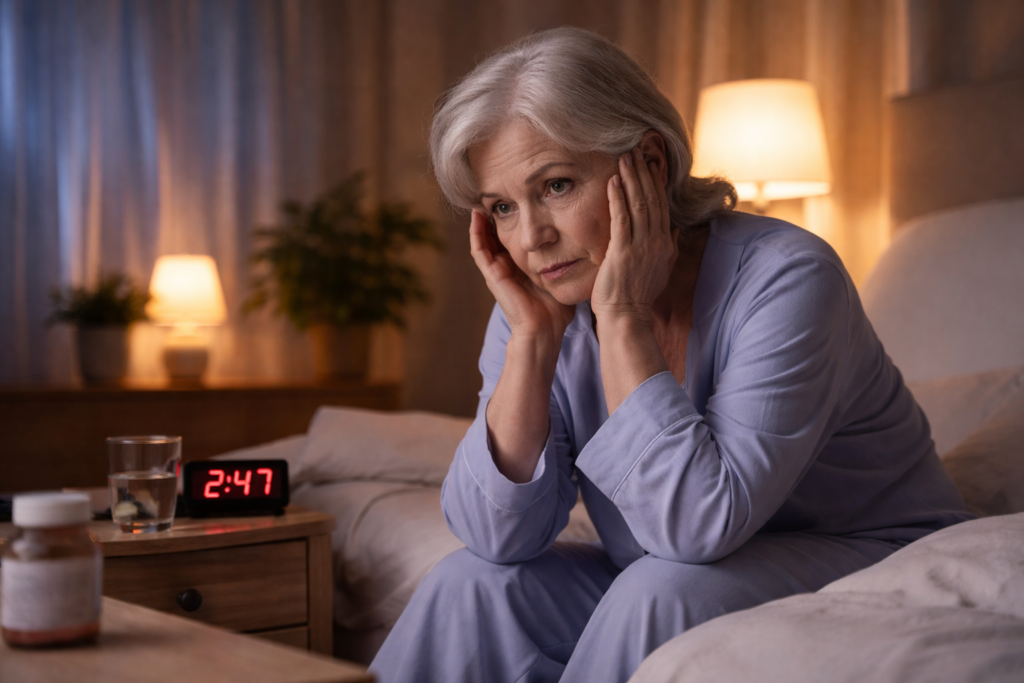
Sleep changes tend to happen gradually over time, but women often face additional challenges that make restful nights harder. Hormonal shifts, changes in bladder patterns, stress, grief, chronic pain, and even subtle anxiety can all contribute to poor sleep.
Some older adults also become lighter sleepers, waking more easily from noise, temperature changes, or discomfort. When poor sleep continues for weeks or months, it can affect mood, memory, balance, and overall health — which is why so many begin looking for medical solutions.
Why Sleep Medications Affect Older Women Differently
Sleep medicines do not work the same way in older bodies as they do in younger adults. Metabolism slows down, medications stay in the system longer, and sensitivity to side effects increases.
For older women in particular, research has shown that some sedative medications can produce stronger next-day effects, including lingering grogginess or impaired balance. That means the same pill that helps someone fall asleep could also increase the risk of falls, confusion, or morning accidents.
This is why most doctors recommend using sleep medications cautiously, at the lowest effective dose, and only when truly needed.
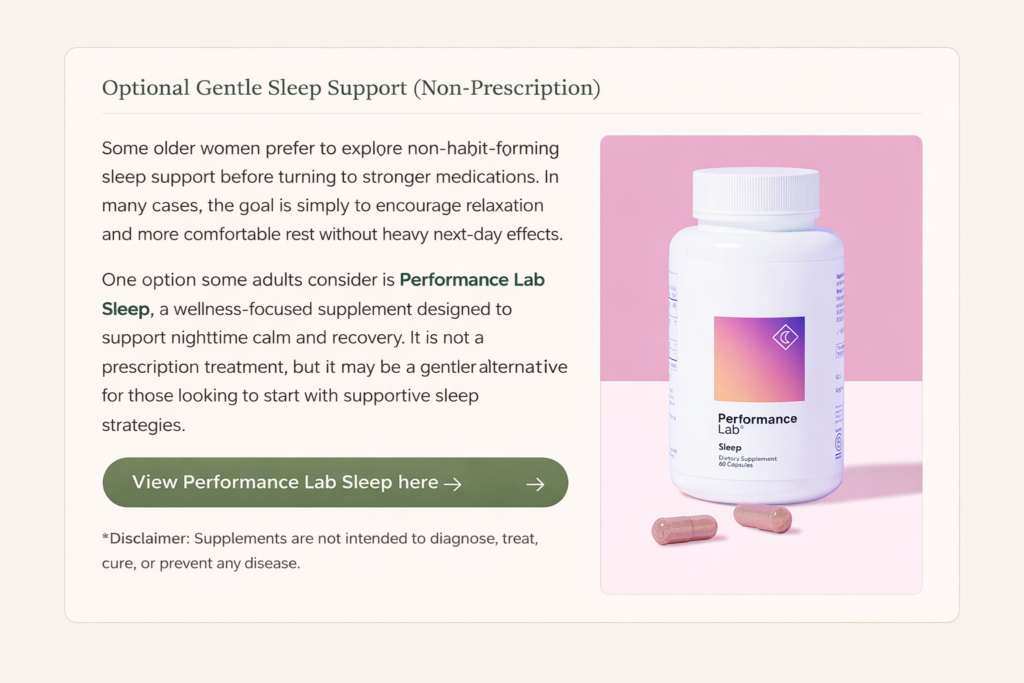
The Most Common Types of Sleep Medications (And What to Know)
There is no single category of “sleep medicine.” Several types exist, and each carries different concerns for older women. Some options are prescription medications designed specifically for insomnia, while others are over-the-counter products or supplements that simply cause drowsiness as a side effect.
Because the body becomes more sensitive to sedating ingredients over time, the same product that feels mild for one person can lead to next-day grogginess, confusion, or balance problems for another. This is why it’s so important to understand what type of sleep aid is being used — and why most doctors encourage older women to start with the lowest-risk approaches first.
1. Over-the-Counter Sleep Aids (Often Antihistamines)
Many store-bought sleep products contain sedating antihistamines such as diphenhydramine or doxylamine.
While these can cause drowsiness, they are generally not recommended for older adults because they may also cause:
- Dry mouth and constipation
- Urinary retention
- Confusion or brain fog
- Increased fall risk
- Worsening memory issues
These effects are particularly concerning for older women who may already be dealing with bladder or balance changes.
2. Prescription Sedatives and Benzodiazepines
Medications such as temazepam, lorazepam, or diazepam have been used for insomnia for many years, but they are now considered higher-risk options in older adults.
These drugs can increase the likelihood of:
Daytime sedation, dependence, dizziness, falls, and cognitive impairment. For older women living alone, these risks become even more serious.
Most geriatric guidelines recommend avoiding benzodiazepines when possible.
3. “Z-Drugs” (Ambien, Lunesta, Sonata)
These newer sleep medications were designed as alternatives to benzodiazepines, but they still carry concerns for seniors.
Drugs like zolpidem (Ambien) can sometimes cause:
- Sleepwalking or unusual nighttime behaviors
- Next-morning grogginess
- Increased fall risk
- Memory disruptions
The FDA has also recommended lower dosing for women specifically, because women tend to clear these drugs more slowly.
4. Low-Dose Antidepressants Used for Sleep
Some doctors prescribe low doses of medications like trazodone or doxepin for sleep.
In certain cases, these may be considered safer than sedatives, but side effects can still occur, including:
Low blood pressure, dizziness, or daytime fatigue.
These are typically used when sleep issues overlap with mood changes or anxiety.
5. Melatonin and Circadian Rhythm Support
Melatonin is one of the most commonly discussed non-prescription options for older adults.
For many older women, low-dose melatonin may help with sleep timing rather than acting like a sedative. It is generally considered safer than stronger sleep drugs, but it still should be discussed with a doctor if someone takes multiple medications.
The key is keeping the dose low and avoiding the assumption that “more is better.”
Some older adults prefer starting with very low-dose options. Below is one example of a widely available low-dose melatonin product.

- Supports Restful Sleep: Provides 250 mcg of melatonin per tablet to help maintain a natural…
- Flexible Dosing: Low-dose formulation allows you to find the amount that works best for your…
- Non-Habit Forming: Formulated for sustainable, long-term use without dependency concerns.
- Natural Cherry Flavor: Enhanced with Michigan tart cherry powder for a pleasant taste and added…

- FALL ASLEEP FASTER, STAY ASLEEP LONGER: Natrol melatonin promotes sleep in as little as 15…
- SLEEP SUPPORT: Natrol Melatonin Fast Dissolve Tablets for adults help you fall asleep faster,…
- 100% DRUG-FREE SLEEP AID SUPPLEMENTS: These melatonin 1 mg fast dissolve tablets are 100%…
- DELICIOUS TASTING TABLETS: Fast Dissolve adult melatonin tablets feature a delicious strawberry…
Always confirm supplement use with your healthcare provider, especially if you take other medications.
The Biggest Risks Older Women Should Watch For
Sleep medications are often marketed as simple solutions, but in later life, the side effects matter just as much as the sleep benefit.
Some of the most important risks include:
Falls during nighttime bathroom trips, next-day confusion, slowed reaction time, worsening memory problems, and dependence over time.
Even medications that seem mild can become dangerous if they are used nightly for long periods.
When Sleep Medication May Actually Be Appropriate
There are situations where short-term medication use may be reasonable, such as:
- Severe insomnia after a major life event
- Short-term crisis sleep disruption
- Medical recovery periods
- When non-drug strategies have truly failed
The best approach is always one that involves a physician who understands senior health and reviews the full medication list for interactions.
Safer Sleep Strategies Many Older Women Overlook
Before relying on medication, many women find meaningful improvement through practical changes that support natural sleep rhythms.
These often include:
Improving evening lighting, reducing late caffeine, managing nighttime pain properly, addressing nighttime urination patterns, maintaining a consistent wake time, and building a calming wind-down routine.
Even small adjustments can reduce the need for medication altogether.
Questions Older Women Should Ask Their Doctor Before Taking a Sleep Drug
A helpful conversation with a doctor should include questions like:
- What is the safest option for my age?
- Will this interact with my current medications?
- How long should I use this?
- What side effects should I watch for?
- Are there non-drug approaches worth trying first?
A good sleep plan is always individualized — not one-size-fits-all.
The Bottom Line
Sleep meds can be helpful for older women in specific short-term situations, but they should never be viewed as harmless. The safest path is always to understand the type of medication being used, start with the lowest risk options, and focus on long-term sleep support rather than nightly dependence.
Better sleep is possible — but it should come with comfort, clarity, and safety, not added health risks.
FAQ – Frequently Asked Questions
Is it safe for older women to take sleeping pills?
Some may be used short-term, but many increase fall and confusion risk. A doctor should always guide medication choice.
What sleep medicine is safest for seniors?
Low-dose melatonin or certain doctor-monitored prescriptions may be safer than sedatives, but safety depends on the individual.
Why do sleeping pills affect women more strongly?
Women often metabolize certain sleep drugs more slowly, leading to stronger next-day effects.
Should older adults avoid Benadryl for sleep?
Yes. Sedating antihistamines can cause confusion, constipation, and urinary issues in seniors.
Gentle Next Step for Readers
If you’re working on sleep improvements right now, visit our Sleep & Recovery Hub for Seniors for trusted guides, sleep tools, and comfort-focused strategies designed specifically for adults over 60.
Disclaimer: This article is for general educational purposes only and does not provide medical advice. Sleep medications may carry increased risks for older adults, especially when combined with other prescriptions. Always speak with a licensed healthcare provider before starting or stopping any sleep aid.
Powered by 60AndOver.net