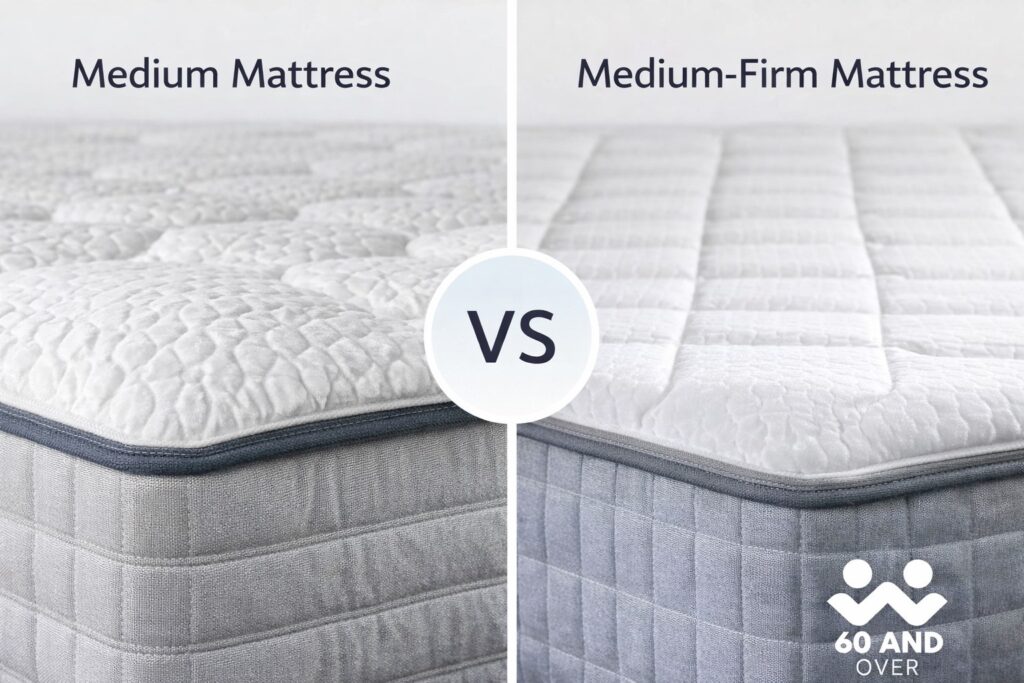
Choosing between a medium and medium-firm mattress can feel surprisingly complicated, especially when hip pain affects how well you sleep. Both firmness levels are commonly recommended for seniors, yet they feel noticeably different in real-world use. The right choice often depends on how your hips respond to pressure, how easily you move at night, and how your body feels when you wake up.
This guide breaks down the real differences between medium and medium-firm mattresses for seniors, explains how each affects hip comfort, and helps you decide which option may be the better fit for your sleep needs.
Why Mattress Firmness Matters More After 60
As we get older, changes in joint cushioning, muscle tone, and flexibility can make the hips more sensitive to pressure. A mattress that once felt comfortable may no longer provide the balance of cushioning and support your body needs.
Firmness plays a major role because it determines:
- How deeply the hips sink into the mattress
- How evenly weight is distributed
- Whether the spine stays aligned during sleep
- How easy it is to change positions
When firmness is mismatched, hip discomfort often builds gradually overnight and shows up as stiffness or soreness in the morning.
What “Medium” Firmness Feels Like for Seniors
A medium mattress offers noticeable cushioning with gentle contouring around the hips and shoulders. It allows pressure points to sink slightly while still supporting the body overall.
For many seniors, medium firmness feels comfortable at first contact and provides a “hugging” sensation that can ease hip pressure, especially for side sleepers.

- Advanced Cooling Comfort: The AeroFusion gel memory foam mattress ensures exceptional…
- Premium, Thoughtful Design: Wrapped in a soft, geometric-patterned jacquard fabric with…
- Motion Isolation Technology: Dynamic memory foam mattress contours to your body’s unique…
- Certified Safe Material: Crafted in the USA with CertiPUR-US foams and globally sourced…

Medium mattresses often work well for:
- Side sleepers with hip pressure
- Lighter-weight seniors
- Those sensitive to firm surfaces
- Seniors who prefer a softer, cushioned feel
Potential drawbacks:
- Hips may sink too deeply for some sleepers
- Reduced support for heavier individuals
- Can feel less stable when sitting or standing
For seniors with hip pain, medium firmness can be helpful when pressure relief is the top priority — but only if alignment remains intact.
What “Medium-Firm” Firmness Feels Like for Seniors
Medium-firm mattresses provide controlled cushioning with a more supportive surface. The hips compress into the mattress, but not as deeply as with medium firmness. This helps maintain alignment while still reducing pressure.
Many seniors describe medium-firm mattresses as supportive rather than plush. The surface feels stable, which can make movement and repositioning easier during the night.
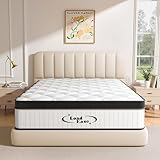
- Comfortable Support for Restful Sleep – The LoadEase 60″ W x 80″ D x 12″ queen mattress…
- Experience Uninterrupted Sleep with Pocket Spring System – Discover the ultimate in…
- Super Soft and Breathable Surface – LoadEase medium firm queen mattress features a…
- Queen Mattress in a Box – The 12-inch queen mattress comes conveniently compressed in a…
Medium-firm mattresses often work well for:
- Back sleepers and combination sleepers
- Seniors who change positions frequently
- Those who feel “stuck” on softer mattresses
- Individuals needing more structural support
Potential drawbacks:
- May feel firm for sensitive side sleepers
- Less initial cushioning around the hips
- Takes time to adjust if switching from a softer bed
For hip pain related to alignment or instability, medium-firm often provides better long-term comfort.
How Sleep Position Influences the Right Choice
Side Sleepers
Side sleepers place direct pressure on one hip. Medium firmness often feels more comfortable initially because it cushions the hip joint. However, if the mattress allows the hips to sink too far, discomfort may develop over time.
Side sleepers who prefer medium-firm may benefit from a mattress with good pressure-relief layers on top, such as memory foam or latex.
Back Sleepers
Back sleepers typically do better with medium-firm mattresses. This firmness supports the hips and lower back evenly, helping maintain a neutral spine and reducing overnight strain.
Combination Sleepers
Seniors who move between positions usually prefer medium-firm mattresses because they provide stability and make movement easier. Softer mattresses can feel restrictive when repositioning.
Body Weight and Firmness Perception
Body weight affects how firmness feels.
- Lighter seniors may experience medium-firm mattresses as too firm and prefer medium firmness for adequate cushioning.
- Heavier seniors often compress mattresses more deeply and may feel better supported on medium-firm surfaces.
This is why firmness recommendations are guidelines, not rules. The same mattress can feel very different depending on body weight and sleep habits.
How Mattress Materials Affect Firmness Feel
Firmness ratings don’t exist in isolation — materials matter.
- Memory foam: Feels softer and more contouring. Medium-firm memory foam may feel closer to medium in practice.
- Hybrid mattresses: Combine foam and coils, often offering balanced firmness and better responsiveness.
- Latex mattresses: Naturally supportive and responsive, often feeling medium-firm without deep sink.
Understanding how materials interact with firmness helps prevent surprises after purchase.
Morning Stiffness: A Key Clue
How your hips feel in the morning often reveals whether firmness is working.
- Too soft: Hips feel sore, unstable, or stiff from sinking too deeply
- Too firm: Hips feel tender or achy from pressure buildup
- Right firmness: Hips feel supported with minimal stiffness
Morning feedback is one of the most reliable indicators of mattress compatibility.
Can a Mattress Topper Help Adjust Firmness?
A mattress topper can be a helpful tool when firmness is close but not quite right.
- Medium mattress too firm: A topper can add cushioning
- Medium-firm mattress slightly firm: A topper can improve pressure relief
However, toppers cannot fix:
- Sagging mattresses
- Excessively soft mattresses
- Structural support issues
They work best when the underlying mattress is still supportive.
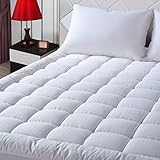
- Queen Mattress Pad 60×80 inch,21 inch Deep Pocket, 49 oz Elastic & Hollow Down Alternative…
- Soft: With 30oz down alternative fillings,this pad will add great softness to your firm…
- Skin-friendly:300TC cotton surface will absorb sweat making it breathable.Filled with down…
- Fitted Sheet Style:Adopting the deep pocket design which will easily stretch up to 21 inch…

- Two inches of ultra plush memory foam that conforms to your curves and hugs you to…
- Infused with temperature regulating gel beads that capture and dissipate heat to help…
- Comfortable memory foam distributes weight evenly to align the spine and alleviate…
- Available in plush 2 inch and 3 inch profiles; The 3 inch topper will hug your body more…
Medium vs. Medium-Firm: Which Is Better for Hip Pain?
There is no universal answer. Both firmness levels can work well for seniors, depending on individual needs.
Medium firmness often works better when:
- Hip pressure is the primary issue
- Side sleeping is dominant
- Sensitivity to firmness is high
Medium-firm firmness often works better when:
- Alignment and stability matter more
- Movement during sleep is frequent
- Back or combination sleeping is common
The right choice balances comfort and support without exaggerating pressure or sink.
Using Tools to Narrow the Decision
Mattress Finder Tool for Hip Pain
Answer a few quick questions to explore mattress styles that may better support hip comfort, pressure relief, and overnight stability.
Because firmness preferences vary, tools designed for seniors can help simplify decision-making. By considering hip discomfort, movement needs, and sleep temperature, these tools highlight mattress styles that may be worth exploring — without replacing personal comfort judgment.
Final Thoughts
Medium and medium-firm mattresses are both solid options for seniors with hip pain, but they serve different comfort needs. Medium firmness prioritizes cushioning and pressure relief, while medium-firm emphasizes stability and alignment.
Pay attention to how your hips feel at night, how easily you move in bed, and how you feel in the morning. Those signals matter more than labels or ratings.
Choosing the right firmness is about supporting your body — not following trends.
FAQ: Frequently Asked Questions
Is medium or medium-firm better for hip pain in seniors?
Both can work well. Medium mattresses often provide better pressure relief for side sleepers, while medium-firm mattresses offer more stability and alignment support, especially for back or combination sleepers.
Can a medium mattress be too soft for hip pain?
Yes. If a medium mattress allows the hips to sink too deeply, it can affect alignment and lead to morning stiffness. In those cases, medium-firm may feel more supportive.
Does body weight affect whether medium or medium-firm is better?
Yes. Lighter seniors often prefer medium firmness for cushioning, while heavier seniors may feel better supported on medium-firm mattresses.
Is medium-firm always better for back sleepers with hip pain?
Medium-firm mattresses often support back sleepers well, but comfort still depends on pressure sensitivity and mattress materials. Some back sleepers prefer slightly softer surfaces with good support layers.
Can a mattress topper help adjust firmness?
A topper can soften a mattress that feels slightly too firm, but it cannot correct sagging or overly soft mattresses. Toppers work best when the underlying mattress is still supportive.
Continue reading..
If you’d like help narrowing mattress options based on hip comfort, movement, and sleep preferences, explore our Best Mattress for Seniors With Hip Pain guide and tools designed to make the process easier and more confidence-building.
Our mattress hub here where we explain even more on mattresses