
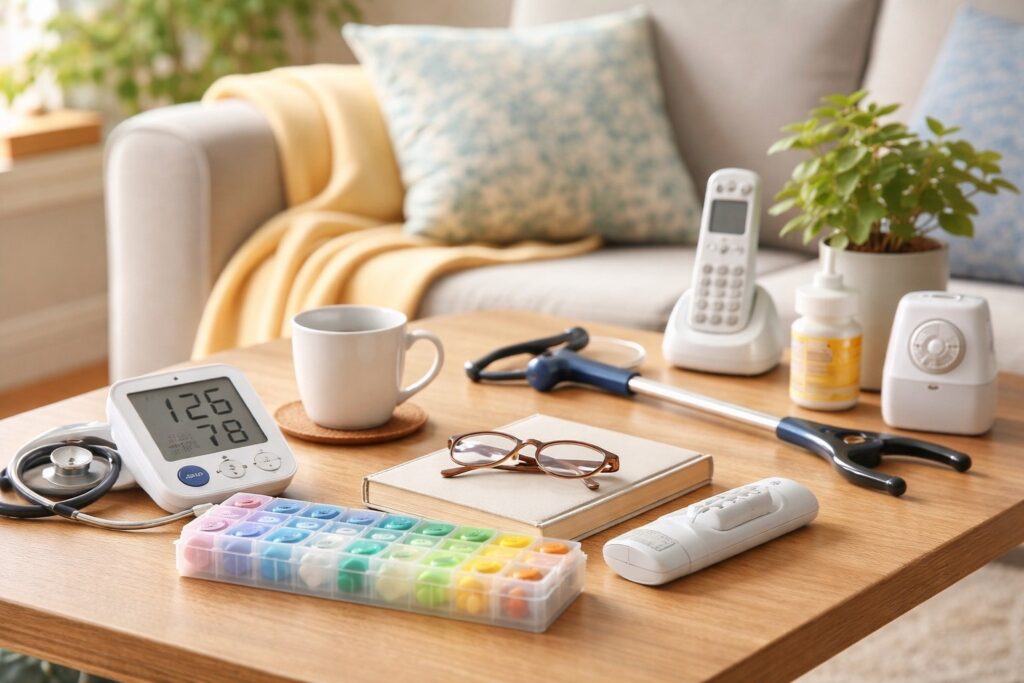
Life after 60 often brings a quiet shift. Comfort starts to matter more. Simplicity becomes valuable. And small daily frustrations—things once ignored—begin to add up.
The good news is that everyday life doesn’t need to feel harder. In many cases, a few thoughtful tools and adjustments can make daily routines easier, safer, and more comfortable—without changing who you are or how you live.
Thinking about travel? - Here's a cruise deal woth checking out:
This guide highlights everyday essentials many people find helpful after 60, focusing on comfort, independence, and ease of use rather than trends or gimmicks. Rather than promoting must-have products, it looks at practical categories that often make daily life feel smoother and more manageable.
Comfort & Daily Living Essentials

Comfort isn’t a luxury after 60—it’s a foundation.
Many people find that small changes around the home reduce strain and make everyday activities more enjoyable. When basic tasks feel easier, energy is preserved for the things that matter most.
Common comfort-focused essentials include:
- Easy-grip kitchen tools that reduce hand fatigue
- Lightweight cookware and utensils
- Cushioned seating or lumbar support pillows
- Reading aids and task lighting for better visibility
These items don’t change routines—they simply make them smoother and less tiring.

- 【Premium Memory Foam】Our office chair seat cushion is made of 100% pure memory foam…
- 【Convenience】Non-slip rubber bottom keeps the butt pillow in place even when moving on…
- 【Multiple Uses】This office chair cushion fits all types of chairs, great for office…
- 【Material Safety】All parts of the seat cushion are certified safe and harmless for…

- Extra Large Page Magnifier: This reading magnifier features an ultra-large reading area of…
- 3-in-1 Versatile Design: The Large magnifier offers three usage modes: around the neck…
- Adjustable 50 Bright LED Lights: This magnifying glass with lights is equipped with…
- 10X HD Magnification: Our large reading magnifier has a high-definition lens, and the 10X…
Sleep & Recovery Support
Beyond daily comfort, rest plays a major role in how the body feels and functions each day.
Sleep quality often changes after 60, and even small disruptions can affect energy, mood, and focus. Improving sleep doesn’t always require major changes—it’s often about targeted support.
Supportive sleep essentials many people find useful include:
- Mattress toppers that add pressure relief
- Pillows designed for neck and joint comfort
- Breathable bedding that helps regulate temperature
- Low-level night lights to reduce nighttime disorientation
Better sleep isn’t always about replacing what you have. Sometimes, small adjustments make the biggest difference.

- ULTRA SOFT: Niagara Full Mattress Topper is made from viscose made from bamboo fiber and…
- CLOUD-LIKE SLEEP: This full mattress topper adds an extra cushion to potentially ease back…
- EASY TO USE: The cooling bed pad has a deep pocket, is easy to put on, and has…
- MACHINE-WASHABLE: The full matress topper is safe for washing machines and has no harmful…

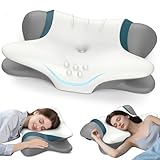
- 【Quality Sleep Starts with a Good Pillow】Struggling with neck pain during sleep…
- 【Embrace Healthy Sleep with Premium Memory Foam】Our Cervical pillow is made of…
- 【One Pillow – All Positions for Dreamy Rest】The standard dimensions are 25.6x…
- 【Cool, Cozy, Washable Pillowcases】Our neck pillow comes with a skin-friendly ice silk…
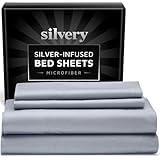
- SLEEP EXPERT-RECOMMENDED SILVER TECHNOLOGY: Discover advanced bedding featuring…
- REVOLUTIONARY SELF-CLEANING TECHNOLOGY: Lab-tested to reduce 99.9% of specific impurities…
- BREATHABLE TEMPERATURE-REGULATING COMFORT: No more tossing and turning from discomfort…
- ULTRA-SOFT HOTEL-QUALITY LUXURY: Experience the silky-smooth feel of premium bedding…

- Soft Glow LED Night Light for Nighttime Use: This LED night light emits a gentle 3000K…
- Not a Bright Lamp — Gentle by Design:These night lights plug into wall outlets and are…
- Dusk to Dawn Sensor for Automatic Lighting:Built-in light sensor allows the night lights…
- 3-Level Dimmable Night Light for Different Needs:With simple button control, this dimmable…
Home Safety & Everyday Confidence
Comfort and rest are important, but feeling safe at home supports confidence in every routine.
Safety after 60 isn’t about fear—it’s about prevention. Many falls and injuries happen during everyday activities, especially in bathrooms, hallways, and poorly lit spaces.
Helpful home safety essentials often include:
- Non-slip mats for bathrooms and kitchens
- Grab bars or support rails in key areas
- Motion-activated lighting for nighttime navigation
- Shower seating for added stability
These additions help reduce risk while allowing people to move through their homes with greater ease and confidence.
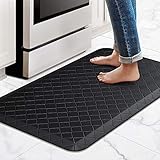
- Extra Soft:Extra thick kitchen mats are ergonomically designed for your comfort and are…
- Water Resistant:Our anti-fatigue mats are made of premium quality PVC material making it…
- No Tripping:The non skid washable kitchen mats and rugs are designed with advanced beveled…
- Versatility:The memory foam kitchen floor mats provide extra large areas for standing in…
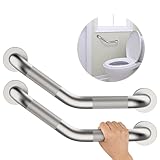
- Munzong 2 Pack 16 Inch Satin brushed nickel Stainless Steel Shower Grab Bar; the non slip…
- Munzong 16 inch 135° angled bathroom shower grab bars (1.25 inch diameter) are able to…
- Concealed screw in secure wall mount design allows for easy, secure installation at any…
- Use 16 inch anti slip Satin brushed nickel knurled safety grab bars in the bathroom…

- Rechargeable Motion Sensor Night Light: This LED night light features a built-in…
- 3 Lighting Modes with Smart Motion Activation: Switch easily between ON, AUTO, and OFF…
- Touch Control with Custom Lighting: Tap the touch-sensitive area to switch between three…
- Memory Function for Effortless Use: The rechargeable LED night light remembers your last…

- Bathe Securely: The Drive Medical Shower Chair provides stable seated support for safer…
- Help Reduce Risk of Falls: Designed to support safety while showering, this bath seat…
- Adjusts to Fit Users: Built to deliver customizable comfort for a wide range of users…
- Made to Last: Constructed from aluminum, this lightweight 10 lb shower bench moves easily…
Mobility & Ease of Movement
Mobility doesn’t disappear after 60, but joints, balance, and endurance may change.
Many people find that lightweight assistive tools help preserve independence while reducing unnecessary strain. These tools are meant to support movement and confidence—not replace activity or limit engagement.
Examples include:
- Walking support tools for longer outings
- Reacher’s and grab tools for high or low items
- Slip-on foot
- wear designed for stability
- Portable seating aids for rest breaks
The goal isn’t limitation—it’s supporting movement so daily life remains active and manageable.
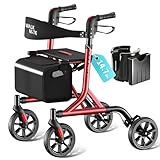
- 【One-Touch 6-Level Height Settings】 With the unique thumb-push button, you can adjust…
- 【Lightweight and Sturdy】Aluminum material only weights 14.8lbs which can hold MAX…
- 【8 Inch Wheels Fit for All Terrain】WAlK MATE rollator walker for the elderly comes…
- 【Multiple Safeties】The walker equipped dual-brakes system: you can easily control your…
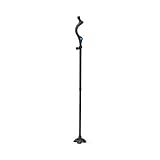
- Discover a new way to get around with the posture cane, the trick is in the innovative…
- The posture cane is designed to change your line of vision so that you can look forward…
- Lightweight aluminum construction supports up to 250 lbs.
- The posture cane is a portable, folding cane that is simple to fold and unfold for storage…

- Extra Long Grabber- -> 59 Inch length, this grabber tool is longer than most of…
- Intergrated Design- ->Compared to traditional folding desgin ,our intergrated design…
- 4 Inch &360°Rotating Anti-Slip Jaw- ->The Grabber can open up to a 4 inch size, making it…
- Strong Magnets- -> With a magnetic tip,Ronivante’s reacher can pick up small metal objects…

- Comfort features like pigskin lining and an Ortholite footbed make this slip-on the…
- Breathable mesh lining. Merrell air cushion in the heel absorbs shock and adds stability
- Compression molded EVA footframe provides cushioning
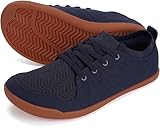
- Combining durable canvas with stretch knit creates a lightweight and flexible design
- Wider toe box lets your feet and toes spread out for stability,lghtweight enough to…
- The zero drop sole respects the foot’s natural position and promotes increased balance…
- Slip-on relaxed fit design let you enjoy longer walks with comfort
Health & Daily Organization Tools
As routines and medications become more complex, staying organized can reduce stress and mental load.
Simple organizational essentials help people stay informed without overthinking health management or daily responsibilities.
Commonly used items include:
- Pill organizers for daily or weekly use
- Blood pressure monitors for at-home awareness
- Digital thermometers
- Simple planners or reminder tools
These tools provide clarity and reassurance, helping routines feel more predictable and less overwhelming.

- Easy to Fill: AUVON AM PM pill organizer 7 day is designed to open on the same side and…
- Large storage: AUVON weekly pill organizer consists of seven daily pill boxes, each with…
- High Quality: The shell and inner hinges are reinforced for 10,000 uses. The medication…
- Portable Designed: Each day of the pill holder can fit in any of your wallet or pockets…

- Clinically Accurate: Easy Operation by two buttons, Advanced Accuracy, No Calibration…
- Large Multi-Color Backlit Display: The large, oversized numbers make reading the results…
- Easy Management: Manage and track up to 99 readings on your blood pressure monitor and…
- Heart Rhythm Disturbances: This unit automatically identifies and alerts you to any heart…
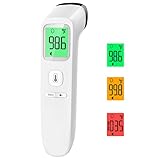
- Reliable & Accurate: Goodbaby Forehead Thermometer has been clinically tested and found to…
- Fast & Easy Temperatures Readings: Taking your family’s temperature with Goodbaby…
- Advanced Technology for Excellent Performance: It uses reliable ABS housing materials…
- Multi-mode Thermometer: Goodbaby Thermometer is designed for all ages, adults, infants…

- 2026 Planner Overview: Our aesthetic planner covers the period from January to December…
- Monthly Planning Pages: Features previous and next month reference calendars, major…
- Thoughtful Weekly Layout: Our planner features each two-page weekly spread, from Monday to…
- Paper to Meet Your Needs: Our premium thick paper not only prevents ink bleeding, allowing…
Vision, Hearing & Sensory Comfort
Subtle sensory changes can affect daily life more than expected.
Addressing vision and hearing comfort often improves communication, as stated by the National Institute of Health, safety, and overall ease throughout the day.
Helpful sensory-support essentials include:
- Magnifying reading aids
- Hearing amplification tools for conversations
- Glare-reducing lighting
- Large-display clocks and phones
Small adjustments in this area can significantly reduce frustration and improve daily interactions.

- 【Hands-Free Magnifying Glass with Light】This neck wear magnifier with light features a…
- 【48 LED Lights with Adjustable Brightness】Built-in 48 ultra-bright LEDs with three…
- 【Rechargeable 2500mAh Battery】Powered by a built-in 2500mAh rechargeable battery with…
- 【Durable & Lightweight Design】Made with a high-quality PMMA lens and ABS/silicone…

- Advanced Chip – Built with a powerful 16-channel digital chip for crystal-clear sound…
- Super Sound Gain – Provides up to 40 dB amplification, ideal for moderate to severe…
- Ultra-Long Battery Life – Fast 1–2 hour charging delivers an impressive 80–100 hours…
- One-Button Operation – Simple volume adjustment and power control with a single…
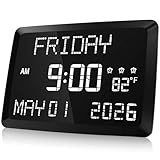
- 11.5″ LED DISPLAY – The 11.5 inch large alarm clock with clear LED digital display makes…
- MULTI-FUNCTION USE -The digital alarm clock is packed with a ton of different capabilities…
- 3 OPTIONAL ALARM -If you and your partner get up at different hours,3 alarms are a worthy…
- EASY TO SET – This digital Clock is very easy to set, with 2 USB ports and a snooze…
Technology That Feels Helpful — Not Overwhelming
Technology doesn’t need to be complicated to be useful.
Many people after 60 appreciate tools that are intuitive, reliable, and easy to integrate into daily routines without constant attention.
Examples include:
- Phones with larger screens and buttons
- Voice-activated assistants for reminders and information
- Emergency alert devices
- Simplified tablets for reading and video calls
The best technology fits quietly into everyday life, offering support without adding stress.

- Only Compatible with Lively Phone Service: The Jitterbug Smart4 is only compatible with…
- Simple Cell Phone: This is our simplest smartphone yet, with a pre-installed SIM card…
- Help When You Need It: Once your new phone is activated with Lively, the Lively team is…
- Online Activation: Activate your phone online for easy setup, and for additional…
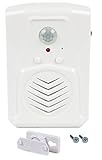
- MicroSound – Indoor Motion Activated Audio Player: With 120-degree PIR wide-angle sensor…
- Built-in Microphone for Instant Recording: Record desired audio directly on the spot…
- Endless Applications (for Indoor Use): Perfect for elderly or those with memory loss that…
- IMPORTANT: Wide-angle and long detection range not adjustable, may not be suitable for…
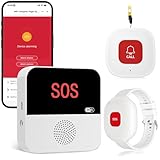
- Dual Protection (Wi-Fi + Long-Range 433MHz) – Reliable Caregiver Pager System: This…
- Instant APP Notifications Anywhere – Smart Life Alert System for Seniors: When the Call…
- Easy Setup & No Monthly Fee – Simple Emergency Call Button for Elderly: No subscription…
- Waterproof Call Button and Watch Button with Custom Ringtones – Designed for Elderly…

- Stunning 10.9-inch Liquid Retina display with True Tone and P3 wide color
- A14 Bionic chip with Neural Engine
- Touch ID for secure authentication and Apple Pay
- 12MP back camera, 7MP FaceTime HD front camera
These examples and the ones above are meant small, everyday tools can quietly support comfort and independence after 60. The right choice depends on your space, routines, and what feels most helpful for you.
How These Essentials Support Life After 60
Life after 60 isn’t about limiting independence—it’s about protecting it.
The right everyday essentials help:
- Reduce physical strain
- Prevent small issues from becoming larger problems
- Improve comfort and confidence
- Support independence at home and beyond
When daily life feels easier, energy can be spent on what matters most—relationships, interests, and enjoyment.
A Thoughtful Approach Matters
There’s no single checklist that works for everyone. Needs vary based on health, lifestyle, and personal preferences.
The best approach is gradual:
- Notice small frustrations
- Address them one at a time
- Choose solutions that feel supportive, not restrictive
Everyday essentials aren’t about changing life after 60—they’re about making it work better.
Frequently Asked Questions About Everyday Essentials After 60
What are everyday essentials for life after 60?
Everyday essentials are practical items that help make daily routines more comfortable, safer, and easier to manage. They often support comfort, organization, mobility, sleep, and home safety without changing how someone lives day to day.
Are everyday essentials meant to replace independence?
No. Everyday essentials are designed to support independence, not replace it. They help reduce unnecessary strain or frustration so people can continue managing daily life with confidence and control.
Do all adults over 60 need the same essentials?
Not at all. Needs vary based on health, lifestyle, environment, and personal preferences. Many people choose essentials gradually, addressing small challenges as they notice them rather than making major changes all at once.
Are everyday essentials considered medical devices?
Most everyday essentials are not medical devices. They are general-use items meant to improve comfort, safety, or organization. Medical advice should always come from a qualified healthcare professional.
How should someone choose which essentials are right for them?
A thoughtful approach works best. Paying attention to small daily frustrations and addressing them one at a time often leads to solutions that feel supportive rather than restrictive.