

Tai chi has become one of the most talked-about forms of gentle exercise for seniors, and for good reason. It does not rely on fast movements, heavy lifting, or high-impact routines. Instead, it uses slow, controlled motion, steady breathing, and mindful body awareness to create a style of movement that feels manageable for many people. For seniors who want to stay active without putting too much strain on the body, tai chi often stands out as a realistic option.
Many exercise programs feel intimidating at first. They may seem too advanced, too fast, or too focused on performance. Tai chi tends to feel different. It is often more approachable because it encourages you to move at a calm pace and pay attention to comfort, balance, and control. That makes it especially appealing for seniors who want movement that feels supportive instead of stressful.
What Is Tai Chi?
Tai chi is a gentle form of movement that combines flowing motions with breathing and concentration. It originally developed as a martial art, but today many people practice it for wellness, balance, flexibility, and stress relief. In a senior-friendly setting, tai chi is often taught as a slow and controlled exercise routine rather than a demanding fitness class.
One reason tai chi appeals to seniors is that it can often be adapted. Some people practice standing. Others begin with a chair-supported version or a simplified beginner routine. That flexibility makes it easier for more people to try without feeling like they need to perform at a high level from day one.


Why Tai Chi Matters for Seniors
Staying active can become more complicated when stiffness, low energy, balance concerns, or fear of falling start to affect daily life. Some seniors do not stop moving because they want to. They stop because exercise no longer feels comfortable, practical, or safe. Tai chi can help fill that gap by offering a slower and more controlled way to keep the body moving.
That matters because regular movement supports much more than exercise goals. It can affect confidence, mobility, daily comfort, and even the way a person feels emotionally. A routine that feels realistic is often the routine someone is most likely to keep doing, and that is one reason tai chi continues to attract attention among seniors looking for something sustainable.

Tai Chi May Help Support Better Balance
One of the biggest reasons seniors become interested in tai chi is balance. Feeling unsteady can change daily life in a major way. It can make walking feel less secure, stairs feel more stressful, and simple tasks feel more tiring than they used to. When balance confidence drops, activity often drops with it.
Tai chi may help support better balance because it encourages controlled shifting of body weight, careful foot placement, and greater awareness of posture. Instead of rushing through movement, it teaches you to slow down and feel where your body is in space. That kind of awareness can be especially valuable for seniors who want to stay steady and feel more confident in everyday movement.
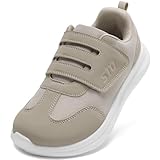
- Spacious Toe Box and Extra Depth: Our women’s wide toe box shoes reduce forefoot pressure, allowing the toes to splay…
- Easy to Put On & Off: With adjustable forefoot straps with hook and loop closures, our wide walking shoes women accommodate…
- Removable & Supportive Insole: Designed with arch support, this orthopedic shoes for women distributes pressure evenly across…
Tai Chi Can Encourage Gentle Flexibility
Stiffness is another issue that often pushes seniors away from exercise. When joints feel tight and movement feels harder than it should, many people assume they need to rest more. In reality, gentle movement is often one of the most helpful things for the body when done safely.
Tai chi may support flexibility because the motions are slow, deliberate, and repeated in a controlled way. You are not forcing the body into extreme stretches. You are encouraging the body to move more naturally and comfortably over time. For seniors who feel tight in the hips, knees, shoulders, or back, this can make tai chi feel more inviting than harder workouts or aggressive stretching programs.
It May Help Seniors Feel More Comfortable Moving Again
A hidden problem many seniors deal with is hesitation. Even when the body is capable of some movement, the mind may be uncertain. That uncertainty can come from past falls, fear of injury, or simply feeling out of practice. Tai chi can be helpful in this area because it creates a low-pressure environment for movement.
Instead of asking you to move quickly or compete with anyone, tai chi invites you to move with intention. That slower pace can make it easier to rebuild confidence. For seniors who want to feel more connected to their body and more comfortable being active again, that can be one of the most meaningful benefits.

Tai Chi May Support Joint-Friendly Exercise
Not every senior is looking for intense fitness. Many are simply looking for a form of exercise that feels kind to the body. Tai chi is often appreciated because it is low impact and does not usually involve pounding, jumping, or abrupt motion. That makes it appealing for seniors who want to stay active without adding more discomfort.
This is one reason tai chi is often discussed by people with general stiffness or mild mobility limitations. While it is not a replacement for medical care, it may offer a more comfortable movement option for seniors who do not enjoy traditional workout routines. The gentler nature of tai chi is often part of what makes it easier to stick with.
Tai Chi Can Promote Calm and Stress Relief
The benefits of tai chi are not only physical. Many seniors are drawn to it because of the calm, steady rhythm it creates. The slow breathing and focused movement can help turn exercise into something that feels peaceful rather than demanding. For someone dealing with daily stress, poor sleep habits, or mental overload, that matters.
A calmer form of movement can be especially appealing when life feels noisy or rushed. Tai chi encourages attention, breath control, and a slower pace. That combination may help some seniors feel more settled and present. Even a short session can feel restorative when compared with exercise routines that leave a person feeling overwhelmed.

Tai Chi May Improve Everyday Body Awareness
Body awareness does not always get much attention, but it plays a big role in everyday life. It affects posture, steadiness, movement control, and how easily a person notices when something feels off. Tai chi encourages seniors to pay attention to the body in motion, which can make movement feel more intentional.
For some people, this benefit shows up as better posture. For others, it shows up as smoother transitions when standing, turning, or walking. The more connected a person feels to their movement, the easier it can be to make thoughtful adjustments. That can make daily motion feel less clumsy and more controlled.
It Can Be a Good Fit for Seniors Who Dislike Traditional Exercise
A lot of seniors do not dislike movement itself. They dislike the kind of exercise that feels too intense, too noisy, too repetitive, or too focused on looking athletic. Tai chi offers a different experience. It feels more measured, more practical, and often more respectful of where a person is starting from.
That alone can make a major difference. If someone has avoided exercise because it felt too hard or too unpleasant, tai chi may offer a way back in. Seniors who want something gentler and more sustainable often find that this style of movement feels less like a workout they have to force and more like a routine they can actually live with.
Tai Chi Can Be Adapted for Different Ability Levels
Another strong advantage of tai chi is that it does not need to look the same for everyone. Some seniors begin with a full standing class. Others start with short sessions at home. Some may need chair support or a slower beginner routine before they build confidence. That flexibility makes tai chi more welcoming than many other forms of exercise.
This matters because seniors do not all start from the same place. One person may already walk daily and simply want a gentler balance routine. Another may be returning to movement after a long break. The ability to adjust tai chi to fit different comfort levels gives it a practical edge for a wide range of people.
Who May Benefit Most From Tai Chi?

Tai chi may be especially appealing for seniors who want a form of movement that feels slower, steadier, and easier on the body. It is often a good fit for people who want support with everyday mobility without jumping into something intense.
It may be worth considering if you are looking for:
- a gentle exercise option
- better balance confidence
- a calmer daily movement routine
- low-impact flexibility support
- a more approachable way to stay active
That does not mean it is perfect for every person. It simply means tai chi often matches the goals many seniors already have.
When Seniors Should Start More Carefully
Even a gentle routine should still be approached thoughtfully. Tai chi may not be the right starting point for everyone without some extra caution. Seniors who have recent falls, dizziness, chest pain, severe balance issues, or medical instructions to avoid exercise should be careful before starting any new routine.
This is where common sense matters. A person may still be able to enjoy tai chi, but a chair-based version, beginner instruction, or a conversation with a healthcare provider may be the smarter first step. Starting carefully is not a setback. It is often the best way to build a routine that actually lasts.
Beginner Tai Chi Often Makes the Most Sense
For many seniors, the best way to begin is not with a long class or a complicated sequence. It is with a beginner approach. That may mean learning a few simple movements first, practicing for a short time, or choosing a seated or modified option until confidence grows.
This is important because people often assume they need to do more right away for exercise to count. Tai chi does not work that way. A shorter, gentler starting point is often the better choice. Seniors who begin at a realistic level are more likely to stay comfortable, stay consistent, and stay encouraged.
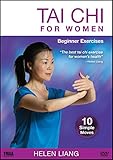
- Dvd plays worldwide / Region 0 / All Regions
- Perfect for beginners and seniors 2025
- Tai Chi for Women Dvd is a simple follow-along workout for beginners


- EXTRA THICK FOR COMFORT & BALANCE: Solana firm 1-inch extra thick fitness mat w/ mat strap alleviates stress on pressure…
- NON-SLIP GRIP: Solana’s non-slip material keeps you steady and balanced while staying securely on the floor. The innovative…
- DURABLE & PORTABLE: Solana’s thick, durable material allows for everyday use, regardless of the intensity of your exercise…

Tai Chi Benefits Build With Consistency
One session of tai chi may feel relaxing, but many of the bigger benefits tend to come from regular practice over time. Balance, mobility confidence, body awareness, and flexibility usually improve through repetition. The good news is that tai chi does not need to feel extreme to be worthwhile.
This is another reason it works so well for many seniors. It rewards consistency more than intensity. A calm, steady routine repeated over time often has more value than an ambitious plan that is hard to maintain. For seniors who want something realistic, that can be a major advantage.
Final Thoughts
Tai chi offers something many seniors are searching for: a gentler way to move that still feels useful. It may support balance, flexibility, body awareness, calm, and confidence without demanding fast or punishing exercise. That combination is what makes it stand out.
It is not a magic solution, and it is not automatically the right fit for every person. But for seniors who want a more approachable form of movement, tai chi deserves serious consideration. The best starting point is usually a simple one: begin gently, stay consistent, and choose the version that fits your body and comfort level best.
Getting started with tai chi often feels easier when you have the right support in place. Some seniors prefer a simple at-home program, while others like a few basic items that make practice feel more comfortable and less intimidating. Below are a few options that may help you begin with more confidence.

- Tai Chi exercise DVD series, perfect for seniors and beginners
- Tai Chi DVD plays worldwide, All Regions / Region Free / Region 0
- Bestsell-er. David-Dorian Ross is America’s favorite Tai Chi teacher

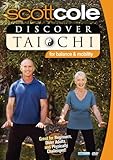
- Factory sealed DVD
FAQ
Is tai chi good for seniors with balance concerns?
Tai chi may appeal to seniors with balance concerns because it uses slow, controlled movement and encourages better body awareness. Still, some people may need a beginner or chair-based version, especially if they feel unsteady or have had recent falls.
Can tai chi help seniors stay flexible?
Tai chi may support flexibility because it encourages gentle, repeated movement without forcing the body into intense stretches. Many seniors find it more approachable than harder exercise routines.
Is tai chi considered low impact?
Yes, tai chi is generally considered a low-impact form of movement. It usually avoids jumping, pounding, or sudden motion, which is one reason many seniors find it easier on the body.
Should seniors talk to a doctor before starting tai chi?
Some seniors should. If you have dizziness, recent falls, chest pain, severe balance issues, or have been told to avoid exercise, it is wise to speak with your healthcare provider before beginning.
Can seniors start tai chi at home?
Yes, many seniors begin at home with a beginner program or chair-based routine. The key is to start with a level that feels safe, realistic, and comfortable.
Looking for companionship later in life? eharmony offers a dating platform many seniors use to meet people who want something more meaningful.
Meet Compatible Singles →


