Simple movements to help calm the mind, relax the body, and support deeper rest after 60.
Getting a full night’s sleep becomes harder as the years go by, and many older adults find themselves waking up too early, tossing for hours, or feeling mentally alert at the very moment they want to drift off. While things like stress, medications, chronic pain, and natural changes in sleep cycles all play a role, one of the most reliable ways to improve nighttime rest is through gentle movement.
Exercise does not have to be intense, complicated, or exhausting to be effective. In fact, the right types of senior-friendly exercises can calm the nervous system, loosen tight muscles, improve circulation, and help regulate the body’s internal clock — all major factors that lead to deeper, longer sleep.
This guide walks through simple, low-impact exercises older adults can use daily or several times a week. Each movement is safe, joint-friendly, and designed to improve sleep quality without stressing the body. No gym membership required — just time, intention, and consistency.
Why Exercise Helps Seniors Sleep Better
Before diving into specific exercises, it helps to understand why movement is such a powerful sleep tool. Gentle exercise helps the body expend energy, stabilize mood, reduce anxiety, and release feel-good hormones that promote relaxation. Many older adults also struggle with stiffness, joint pain, or muscle tension, all of which make it harder to fall asleep or stay asleep. Incorporating regular movement keeps the body flexible and less achy, making bedtime more comfortable.
Exercise also helps regulate circadian rhythm — the body’s built-in sleep/wake cycle. Natural light exposure and daytime activity reinforce wakefulness earlier in the day, which helps the mind wind down more effectively at night. Even 10–15 minutes of light movement can make a noticeable difference. The goal isn’t intensity; it’s consistency.
1. Gentle Walking for Relaxation
Walking is one of the simplest ways to improve sleep, especially for older adults who need something low-impact but effective. According to CDC advice for safe physical activity in older adults, walking is one of the most recommended low-impact exercises for seniors. A slow or moderate walk increases blood flow, loosens the hips and back, and works as a natural stress-reliever.
Much of this is supported by the walking benefits highlighted by the American Heart Association, which note improved circulation and reduced tension. Evening walks can also serve as a peaceful transition from daytime activities to a calmer nighttime routine.
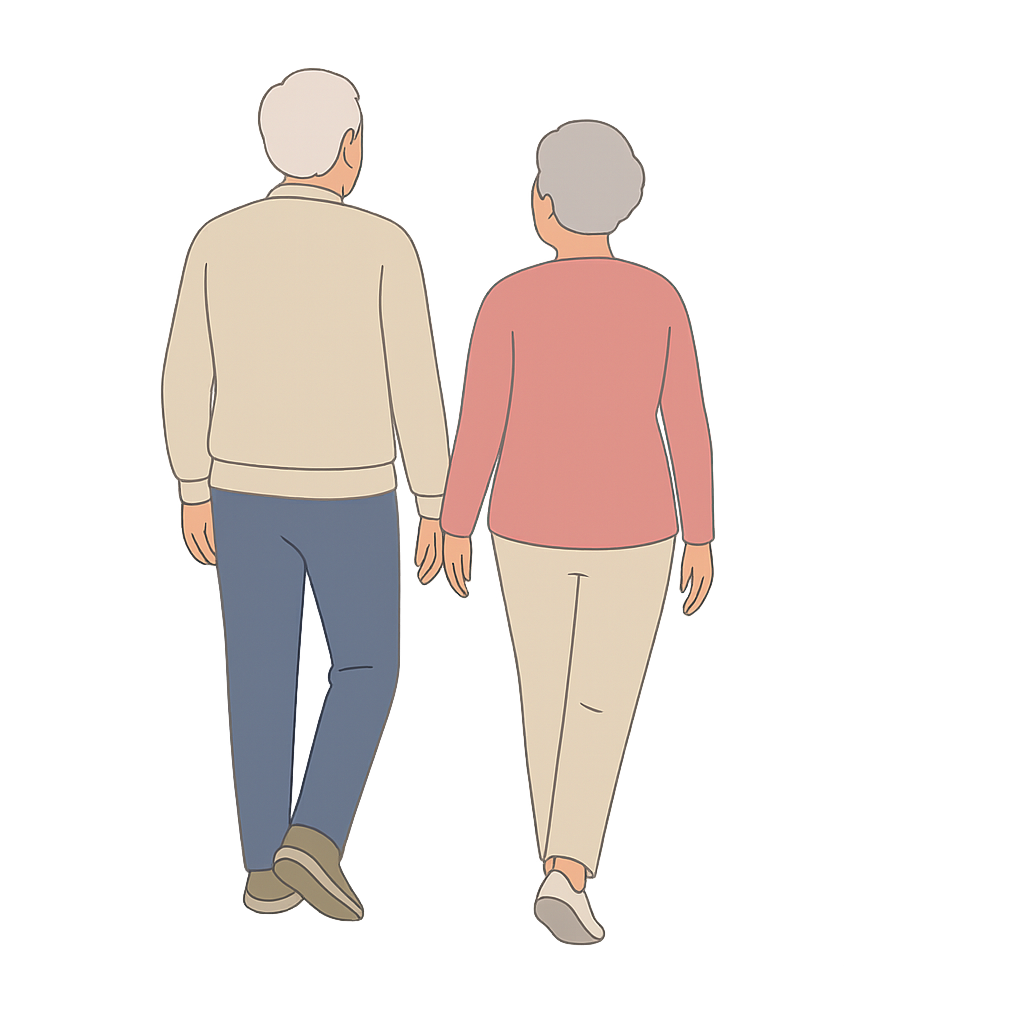
If walking outdoors, the fresh air and natural light help reinforce circadian rhythms. If indoors, even a hallway walk or walking in place is enough to help the body unwind. The key is not to walk too close to bedtime — aim for at least one hour before turning in, so the body has plenty of time to cool down and relax.
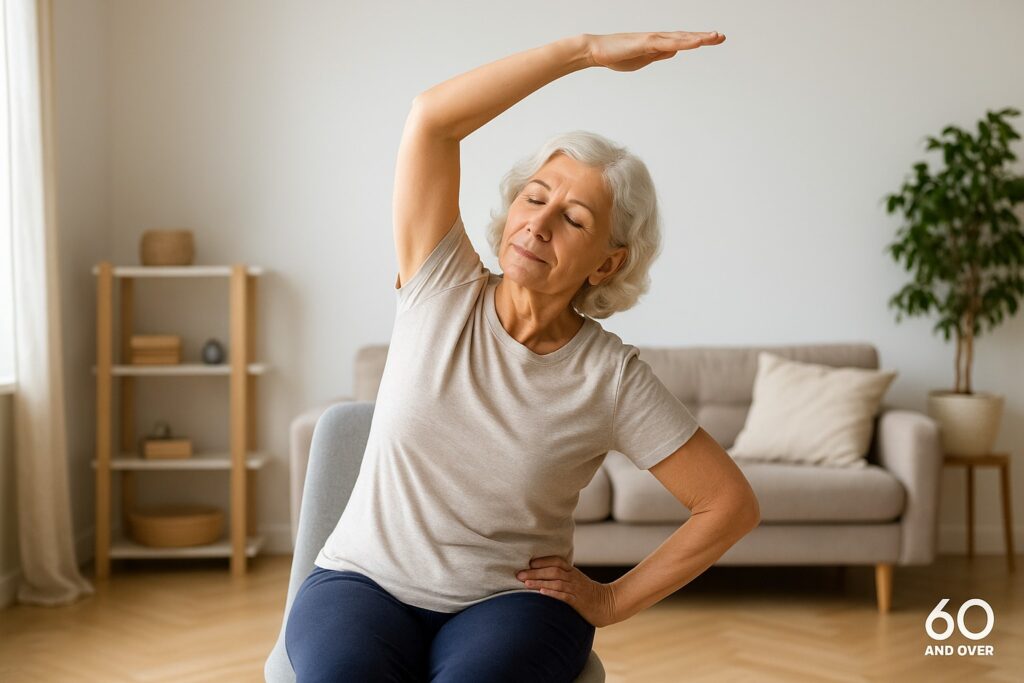
2. Chair Yoga to Reduce Tension and Encourage Calm
Chair yoga is ideal for seniors who want the benefits of stretching and mindfulness without having to get on the floor. This form of yoga supports the joints, protects the lower back, and improves balance while still encouraging deep breathing and relaxation. Movements such as seated spinal twists, overhead stretches, side bends, and ankle circles gently release muscle tension. The slow pace creates a mind-body connection that lowers stress hormones and prepares the body for better sleep.
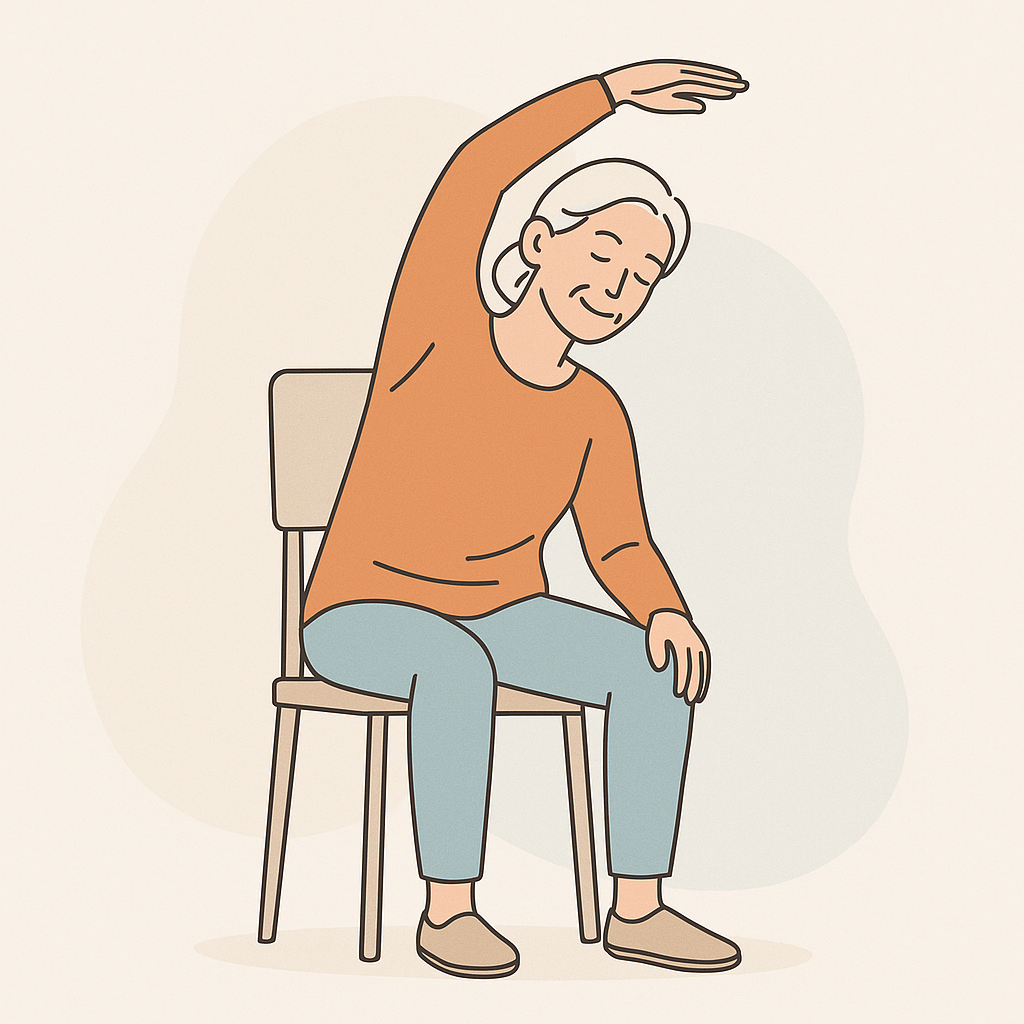
Focusing on breathing during these movements also encourages a calmer nervous system, making it easier to quiet racing thoughts at night. A few minutes of chair yoga can become a simple bedtime ritual that signals to the brain that it is time to settle down.
3. Light Strength Training to Ease Nighttime Discomfort
Many older adults experience nighttime discomfort due to weak muscles, poor posture, or limited mobility. Light strength training — such as using resistance bands or small hand weights — helps support the joints and improves overall stability. Strengthened muscles also reduce common nighttime pain, such as aching hips, sore lower back, or stiff shoulders.
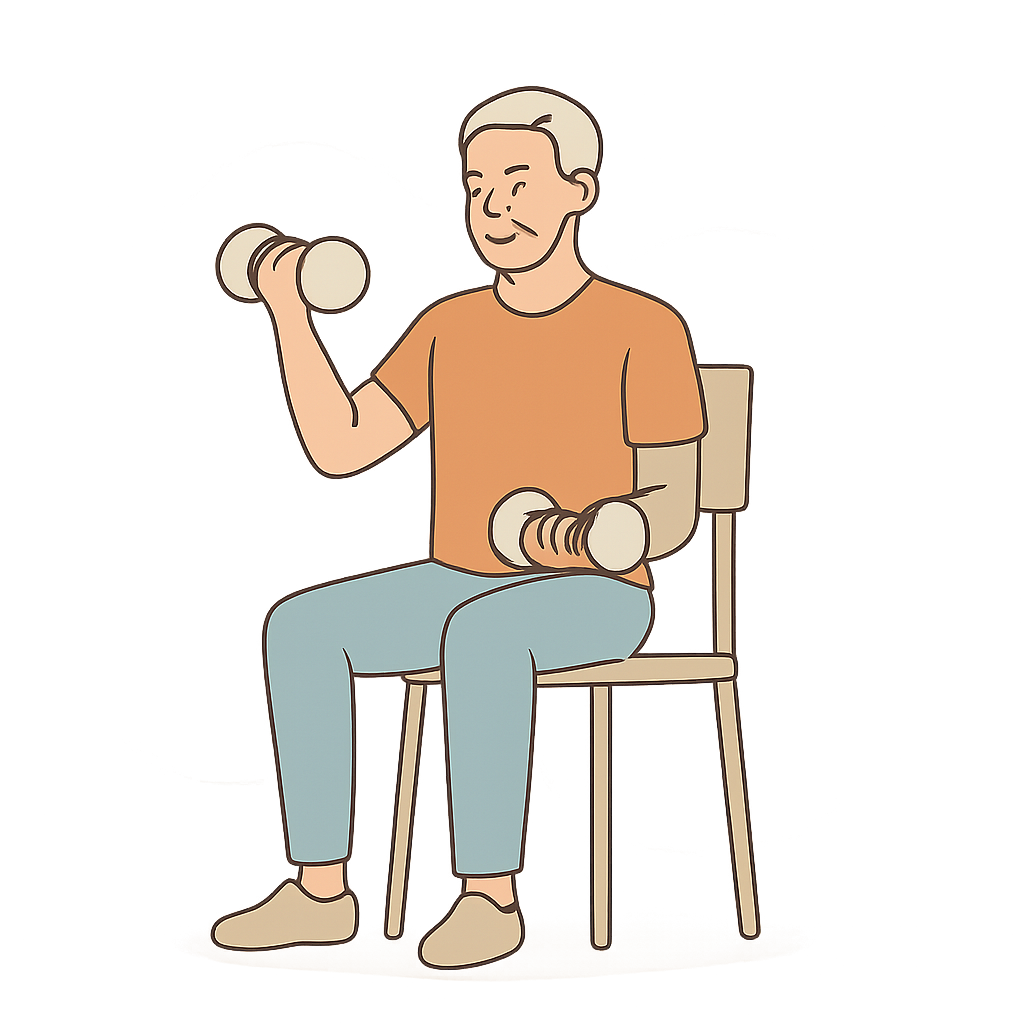
Strength training does not need to be physically demanding. Something as simple as bicep curls, seated leg lifts, wall push-ups, or gentle resistance band rows can be enough. These exercises improve circulation, boost daytime energy, and support a more comfortable sleeping position.
Light strength training is best performed earlier in the day rather than in the evening, so the body has plenty of time to wind down before bedtime.
4. Stretching for Flexibility and Muscle Relief
Stretching is one of the most underrated tools for a good night’s rest, especially for adults dealing with stiffness or reduced mobility. Tight muscles pull on joints and nerves, creating soreness that can make lying still in bed uncomfortable. Simple stretches — especially for the back, neck, hips, and calves — relieve this tension.
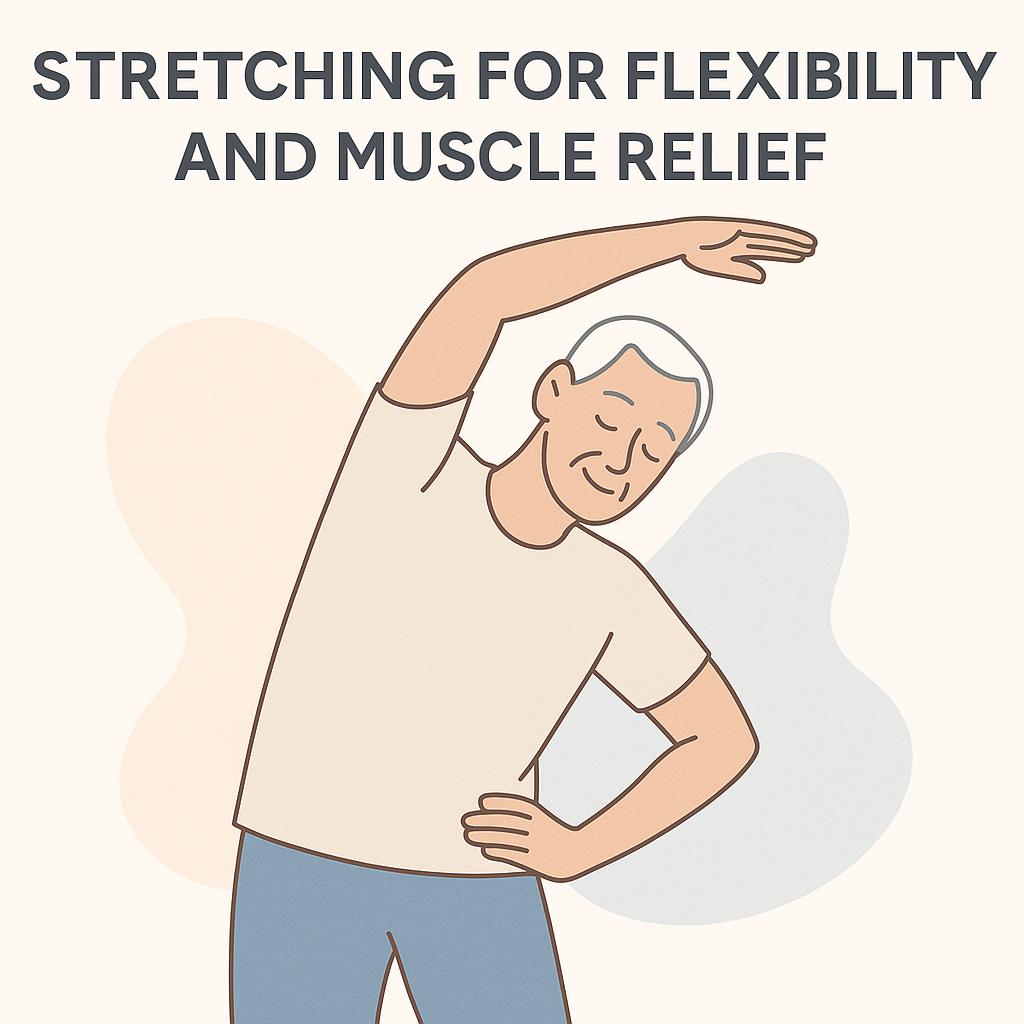
A gentle nightly routine might include seated hamstring stretches, a slow neck stretch from side to side, shoulder rolls, or hip-opening movements while sitting. These stretches help loosen the muscles that tend to stiffen throughout the day, creating a feeling of lightness and comfort before going to sleep. Stretching also reduces stress by encouraging slow breathing and mindfulness.
5. Tai Chi for Balance, Breath, and Mindful Movement
Tai Chi combines slow, flowing movements with deep breathing and mental focus. Many seniors find that this practice reduces anxiety, improves balance, and calms the mind more effectively than traditional exercise. Because Tai Chi is slow and intentional, it strengthens the legs and core without causing pain or overexertion.
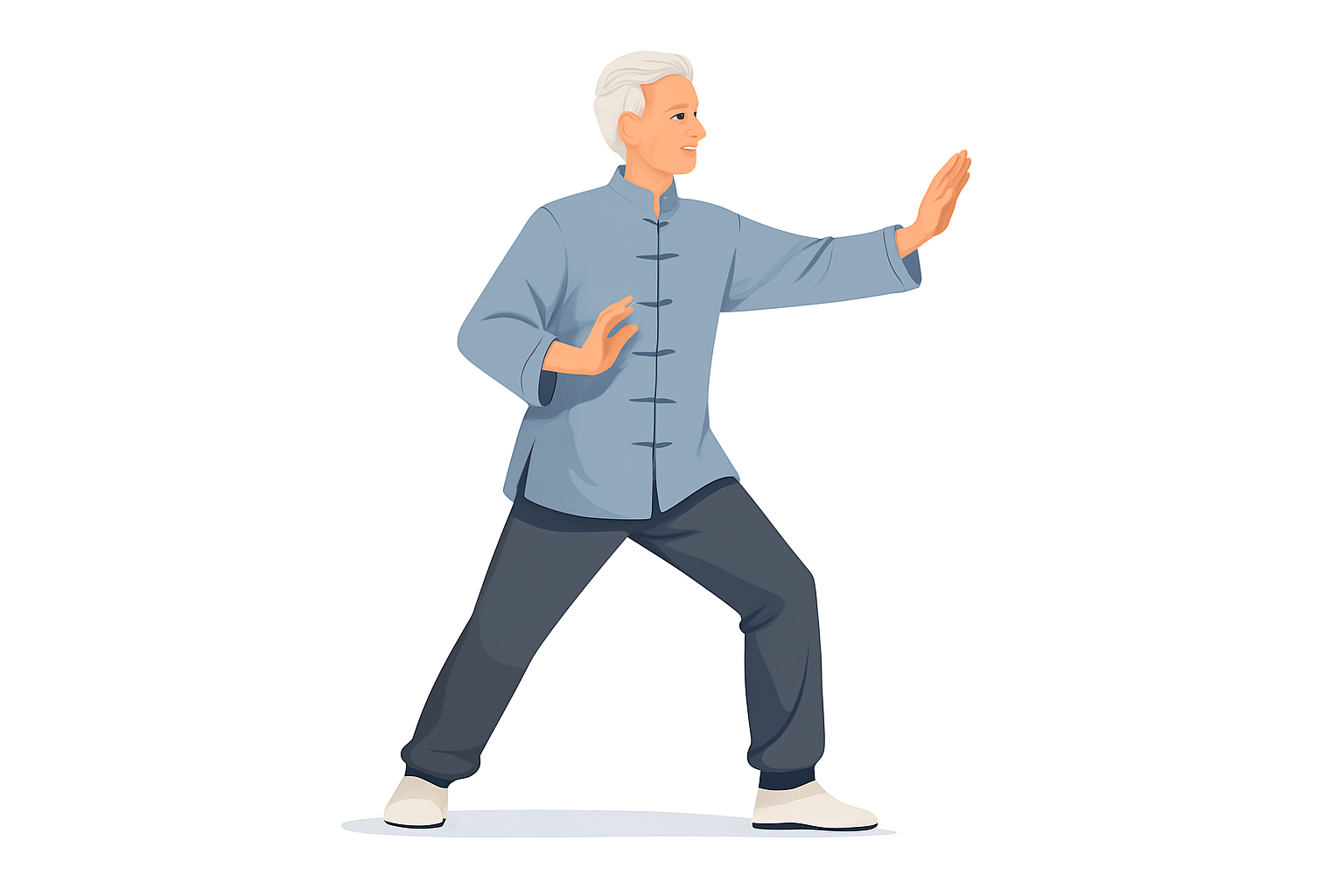
Research shows that older adults who practice Tai Chi often experience better sleep quality, including deeper sleep stages. The rhythmic motions help regulate breathing and reduce mental tension, making it easier to drift off at night. Tai Chi can be done in short sessions, indoors or outdoors, and requires no equipment.
6. Breathing Exercises That Promote Relaxation
Sometimes, seniors struggle with sleep not because of pain, but because the mind won’t slow down. Gentle breathing exercises, practiced daily, help reduce anxiety and prepare the body for rest. Deep breathing activates the parasympathetic nervous system — the body’s natural “relaxation mode.”
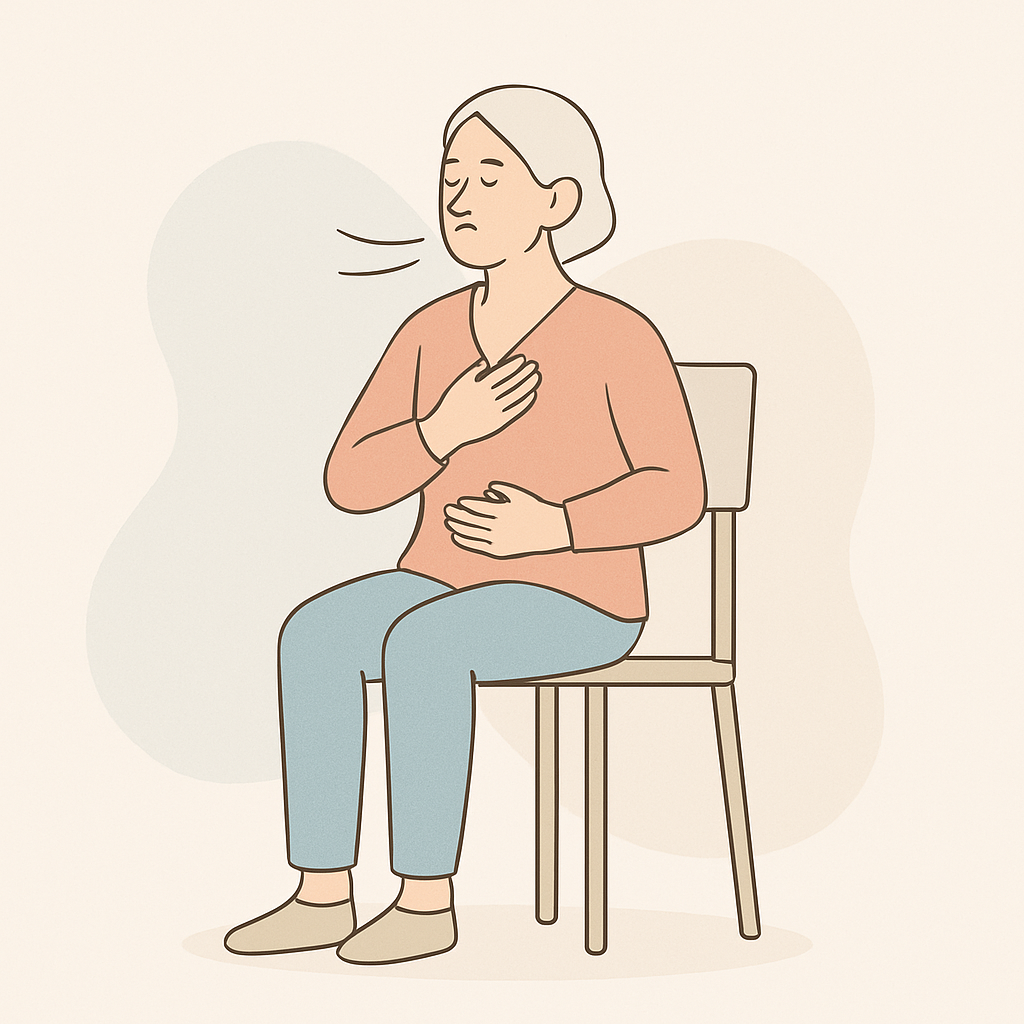
One useful technique is the 4-7-8 breathing method: inhale for four seconds, hold for seven seconds, and exhale for eight seconds. Another option is “box breathing” — inhale, hold, exhale, and hold again for four seconds each. These methods slow the heart rate, release mental stress, and help quiet intrusive thoughts.
Breathing exercises can be practiced during the day or right before bedtime. They serve as a natural sleep aid without the risks associated with medication.
7. Water Exercises to Reduce Joint Pain
For seniors with arthritis, joint pain, or limited mobility, water exercises provide full-body movement without stress on the joints. Gentle water walking, light leg kicks, and slow arm motions help strengthen the body while providing a feeling of lightness and comfort. Many older adults notice improved sleep because water reduces inflammation and eases physical discomfort.
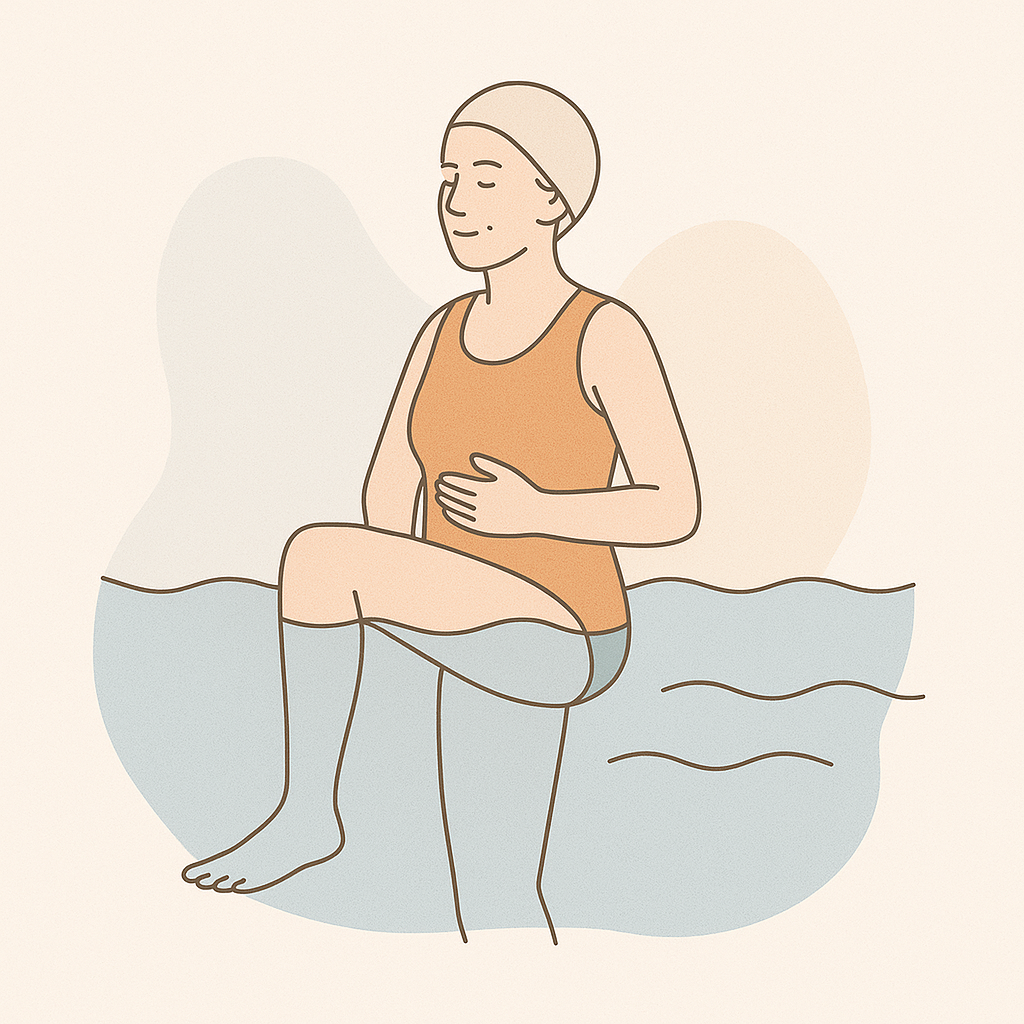
Because water workouts increase blood flow and help relax tight muscles, they make it easier to settle into bed without the nagging pain that keeps many people awake. Even one or two pool sessions a week can make a difference.
8. Bedtime Mobility Routine for Better Rest

A short mobility routine right before bed can dramatically improve sleep by signaling to the body that it’s time to slow down. These movements should be light and calming — nothing fast-paced or strenuous. Try simple ankle circles, slow shoulder rolls, knee hugs while lying on the bed, or gentle torso twists while sitting.
These motions release “sleep blockers,” such as muscle tightness, neck stiffness, or lower-back pressure. A bedtime mobility routine doesn’t need to take long; even three to five minutes can help create a sense of calm and readiness for sleep.
Helpful Tips to Make Exercise Work Better for Sleep
o get the most out of senior-friendly exercises, small habits throughout the day help reinforce positive sleep patterns — many of which align with sleep recommendations from the National Institute on Aging. These include avoiding vigorous exercise right before bedtime, exposing yourself to natural morning sunlight, staying hydrated, and creating a steady movement routine that fits your daily schedule. Many older adults find it easier to sleep when they maintain consistent wake and sleep times, dim their lights at night, and avoid heavy meals late in the evening.
Another tip is to focus on comfort — supportive shoes, loose clothing, and proper posture help prevent strain. And always listen to the body. If something hurts, modify it or stop completely.
supportive shoes

- 〓 Comfy wide width Shoes: Upgraded wide toe design keeps your toes in their natural…
- 〓 Adjustable Diabetic Shoes: The adjustable straps design meet the needs of different…
- 〓 Lightweight Barefoot shoes: Stretchy upper with three-dimensional knitting gives…
- 〓 Zero Drop Walking Shoes: Thanks to one-piece molding process, the rubber sole with…
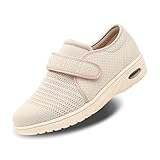
- EASY TO PUT ON & OFF – Features adjustable loop and hooks fastening closures at the…
- ORTHOTIC SUPPORT – Premium orthotic insole, included in the shoe, with anatomical arch…
- PERFECT GIFT CHOICES – Available in 3 styles, breathable mesh(suitable for spring and…
- TARGET USER & OCCASION – Our adjustable lightweight shoes are recommended by doctors and…

- Wide Toe Box and Extra Depth: Our women’s shoes have a wide toe box to reduce forefoot…
- Easy On & Off: With adjustable hook-and-loop, our women’s wide toe box shoes accommodate…
- Removable & Supportive Insole: Designed with arch support, this women’s orthopedic shoe…
- Cushioned & Lightweight Sole: Our wide width shoes with MD soles absorb shock, reduce…

- Wide-Toe-box & High-Instep Design: Particularly suitable for wide feet and those suffering…
- Diabetes Friendly: FitVille men’s diabetic shoes feature dual adjustable straps for…
- Patented PropelCore Sole: Provides your feet with both great support and unprecedented…
- Excellent Slip Resistance: The rubber outsole is smartly designed to achieve superior…
loose clothing

- Assisted Dressing Design – Open back construction with secure shoulder snaps allows easy…
- Warm Soft Flannel Fabric – Cozy cotton flannel provides breathable warmth for cooler…
- Full Coverage Overlap Back – No peek panel design maintains dignity and modesty while…
- Caregiver Friendly Closure – Strategically placed snaps reduce pressure points and…

- EASY ACCESS DRESSING: This adaptive clothing for women is perfect for elderly women with…
- STYLISH & COMFORTING: These cotton hospital gowns for women deliver the perfect blend of…
- ROOMY FIT: By providing hospital gowns for elderly women with snaps on shoulders, our…
- USES: This flannel hospital gowns for women can be used as post surgery clothing for…
Final Thoughts
Better sleep doesn’t always come from prescriptions or complicated routines. Sometimes it starts with gentle, senior-friendly movement that tells the body it’s safe to relax. Walking, stretching, breathing exercises, chair yoga, and light strength training all support a calmer mind and more comfortable body. Whether you incorporate one or two movements or build a full routine over time, the important thing is consistency. Small daily steps create big changes in nighttime rest.
Frequently Asked Questions (FAQ)
Q1. What exercises help seniors sleep better?
Gentle activities like walking, stretching, chair yoga, and light strength training help calm the nervous system and reduce stiffness, making it easier to fall asleep naturally.
Q2. When should seniors exercise for better sleep?
Late morning or early afternoon works best. Avoid vigorous exercise right before bedtime, as it can raise heart rate and make it harder to wind down.
Q3. Does chair yoga really help with sleep?
Yes. Chair yoga reduces muscle tension, improves circulation, and encourages deep breathing — all of which help the body shift into relaxation mode before bed.
Q4. Can light strength training improve nighttime rest?
Strengthening the muscles reduces chronic aches and discomfort that often keep older adults awake. Even 5–10 minutes helps create a more comfortable sleeping position.
Q5. Are water exercises good for seniors who have pain?
Absolutely. Water reduces pressure on the joints, making it easier to move and stretch without pain. Many older adults sleep better after gentle pool exercise.