Trouble sleeping becomes more common later in life, and many older adults look to over-the-counter (OTC) sleep aids for help. But while some products can offer short-term relief, others carry real risks—especially for seniors managing health conditions, medications, or balance issues. This guide gives you a clear, honest breakdown so you can choose supportive, safe, and practical options.
Why Seniors Turn to OTC Sleep Aids
Difficulty falling asleep, waking up through the night, early morning rising, or simply not feeling rested can happen for many reasons. Pain, medications, stress, nighttime bathroom trips, and age-related changes in sleep hormones can all play a role. When nights feel inconsistent, OTC sleep aids seem like a quick fix — but they’re not all created equal.
This guide helps you understand which options are worth considering, which ones to avoid, and the safer alternatives that support long-term sleep health.
Common OTC Sleep Aids — How They Work
Below is a senior-friendly breakdown of the most popular over-the-counter sleep aids and what research says about them.
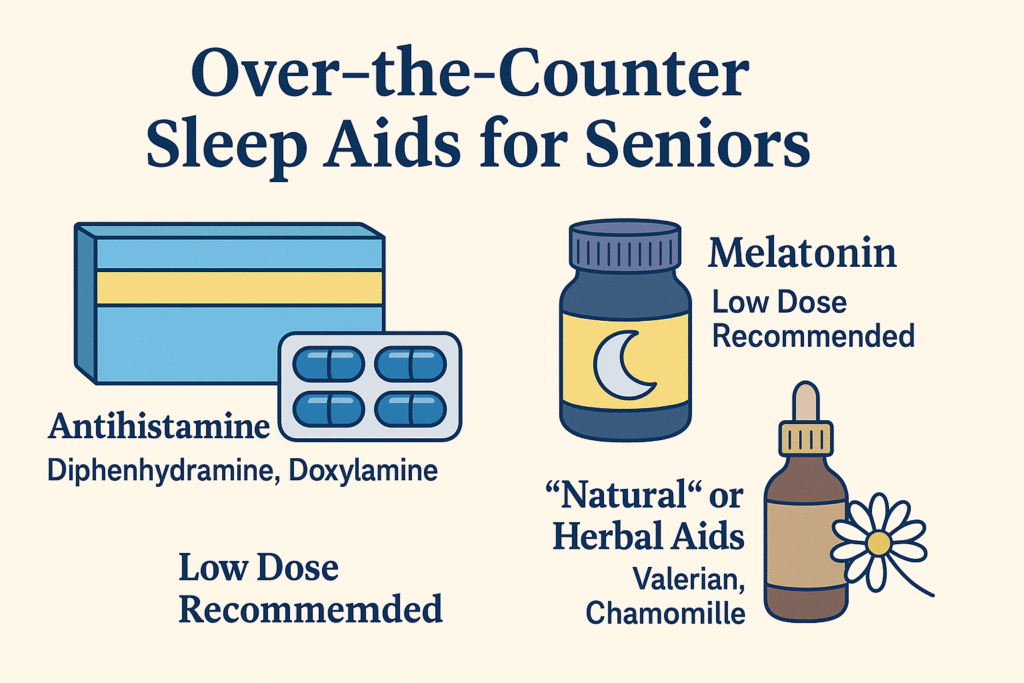
1. Antihistamines (Diphenhydramine, Doxylamine)
These are the most common OTC sleep pills found in products like Tylenol PM, ZzzQuil, and generic “nighttime” formulas.
How they work:
They block histamine in the brain, making you sleepy.
Why seniors should be careful:
These medications have strong anticholinergic effects, which can cause:
- Next-day grogginess
- Confusion
- Dry mouth or constipation
- Increased fall risk
- Higher dementia risk with long-term use
- Problems with balance and alertness
Best for: Occasional, short-term use only.
Avoid if: You have memory concerns, balance issues, urinary problems, or take several medications.
2. Melatonin (Low Dose Recommended)
Melatonin supports your sleep-wake cycle rather than sedating your brain.
Why seniors like it:
Melatonin levels naturally drop over time, so a small nighttime dose can help reset your internal clock. It tends to be more gentle and has fewer next-day effects.
How to use safely:
- Start low (0.5–1 mg)
- Take 1–2 hours before bed
- Increase only if needed
Best for: Jet lag, occasional insomnia, disrupted sleep schedules, shift in circadian rhythm.
3. Herbal Supplements (Valerian, Chamomile, Magnesium Glycinate, Lavender)
Valerian Root
Valerian root is one of the most commonly discussed herbal sleep aids, but its effectiveness varies widely from person to person. Some seniors say it helps them fall asleep faster or feel calmer at bedtime, while others notice little to no difference. It may work best for those who struggle with an overactive mind or mild restlessness at night. However, valerian can interact with certain medications, especially those used for anxiety, blood pressure, or sedation, so it’s always smart to check with a healthcare provider before trying it. Because the quality of valerian supplements can differ between brands, choosing a reputable option matters.

- TRADITIONAL HERB/HERBAL SUPPLEMENT: Valerian Root has been an herbal favorite in many…
- 500 mg VEGAN CAPSULE: Take 2 capsules prior to bedtime as needed.
- CERTIFICATIONS/CLASSIFICATIONS: Non-GMO, Soy Free, Nut Free, Sugar Free, Vegan/Vegetarian…
- GMP Quality Assured: NPA A-rated GMP certification means that every aspect of the NOW…


- VALERIAN ROOT: Perennial plant with sweetly scented pink flowers and powerful roots
- HERBAL SUPPLEMENT: Features Valerian Root in quick-release capsules
- ROOTED IN WELLNESS: Carlyle provides premium, honest supplements in your pursuit to…
- CARLYLE MANUFACTURERS: Laboratory Tested, Trusted Ingredients, Superior Quality…
Chamomile
Chamomile is known for its gentle calming effects and has been used for generations as a natural way to unwind. For most seniors, chamomile works best as a warm evening tea rather than as a capsule, because the soothing ritual of sipping the tea contributes to relaxation. While chamomile won’t typically resolve deeper sleep issues on its own, it can help reduce mild tension, settle the stomach, and encourage a more peaceful bedtime routine. Seniors taking blood thinners or with plant allergies should double-check safety before using it regularly.
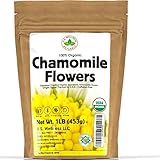
- ORGANIC: WE packed these flowers in DOA (Department Of Agriculture) of Ohio certified…
- A LOT OF FLOWERS: 1lb of chamomile flowers is sufficient quantity to make your own…
- EASY: Each order comes in a 1 lb bulk bag made with BPA free multi-layer polymer and paper…
- SOURCING: We have had out own representative to travel to Egypt and personally meet the…

- 750mg Of Chamomile In Each Serving
- 240 “Veggie” Capsules Per Bottle, 120 Servings
- 2 Capsules Per Serving
- Non-GMO, Gluten Free, And Vegetarian Friendly
Magnesium Glycinate
Magnesium glycinate is often recommended for improving relaxation and supporting deeper muscle recovery at night. It may help reduce nighttime muscle tension, restless legs, and that “wired but tired” feeling that makes it hard to settle down. Glycinate is one of the most gentle and well-absorbed forms of magnesium, making it a better choice for seniors who want the benefits without digestive upset. While magnesium is not a sedative, it helps calm the nervous system in a natural way, which may lead to smoother, more restful sleep over time. As with any supplement, proper dosage matters — especially if you have kidney issues.

- YOU’RE LIKELY MAGNESIUM DEFICIENT – According to World Health Organization statistics…
- EASY ON THE STOMACH: Magnesium Glycinate is created by bonding the elemental magnesium…
- SIX MONTH SUPPLY: Each capsule contains 400mg of Magnesium Bisglycinate (aka glycinate)
- ROOTED IN QUALITY: Manufactured and Tested in the USA from Globally Sourced Ingredients…

- Heart Health Supplements: This magnesium glycinate capsule activates the enzymes necessary…
- Energy & Bone Support: Magnesium supports metabolism of carbs and amino acids; supports…
- Overall Health & Nutrient Metabolism: This magnesium glycinate supplement helps the…
- Sleep & Relaxation Aid: Magnesium glycinate may help to support the sleep cycle and aid a…
Lavender
Lavender is most effective when used as aromatherapy rather than as a capsule or pill. Studies show that simply inhaling lavender can help slow the nervous system, reduce stress responses, and create a calming environment before bed. Seniors often use lavender in essential oil diffusers, pillow sprays, or warm baths to create a soothing nighttime routine. While lavender capsules do exist, they tend to be less effective than inhalation-based methods. It’s important to use pure essential oils and avoid applying undiluted oil directly to the skin, which can cause irritation.

- 100% PURE & NATURAL LAVENDER OIL – Handcraft Blends oils are exactly that! Many oils being…
- PREMIUM GRADE & QUALITY – All Handcraft Blends Essential Oils are tested by an…
- HIGH QUALITY GLASS BOTTLE AND DROPPER – Our essential oil comes in an amber glass bottle…
- VERSATILE FOR DIY PROJECTS – Perfect for aromatherapy, massage, skin care, and DIY soap…

- Premium lavender essential oil – 100% pure, gentle, and effective natural lavender…
- Lavender oil for skin – delivers a soothing scent that promotes relaxation and a sense of…
- Enhance your bedtime routine – Apply behind the ears or on the neck before bed to enjoy…
- Relax and unwind anywhere – Apply to wrists or neck and enjoy the soothing scent on the…
The Biggest Risks of OTC Sleep Aids for Seniors
The senior population is more vulnerable to side effects because of metabolism changes, fall risk, and existing medications. Here are the biggest concerns:
1. Daytime Drowsiness and Falls
Anything that causes lingering sedation can make walking, standing, or getting up at night more dangerous.
2. Cognitive Effects
Anticholinergic medications can cause:
- Confusion
- Memory problems
- Attention issues
- Higher long-term dementia risk
Seniors with even mild cognitive decline should avoid these products.
3. Medication Interactions
OTC sleep aids can interact with:
- Blood pressure medications
- Antidepressants
- Pain medications
- Bladder medications
- Anti-anxiety medications
This is a major reason to check with your doctor or pharmacist first.
4. Rebound Insomnia
When you stop taking certain sleep aids, your sleep issues may return worse than before.
5. Masking the Real Problem
Many seniors lose sleep because of:
- Sleep apnea
- Restless legs
- Chronic pain
- Stress
- Evening habits
- Prescription medications
No OTC sleep aid can fix these — it only covers symptoms.
What Sleep Experts Recommend Instead
Most sleep specialists now encourage non-medicated approaches first, because they are safer, support long-term improvement, and don’t create unwanted side effects. These senior-friendly strategies can make a meaningful difference:
1. Establish a Consistent Bedtime Routine
A predictable wind-down helps your body recognize when it’s time to sleep. Simple habits—dim lights, light reading, or gentle music—signal your brain to relax.
2. Keep Naps Short and Early
If you nap during the day, limit it to 20–30 minutes and avoid late-afternoon naps. Longer or late naps make it harder to fall asleep at night.
3. Create a Cool, Comfortable Sleep Environment
Most older adults sleep better in a calm, quiet room set between 65–68°F. A supportive mattress and breathable bedding also help maintain comfort through the night.
4. Use Relaxation Techniques in the Evening
Gentle stretching, warm showers, slow breathing, or calming activities like puzzles or reading help quiet the nervous system and prepare your body for rest.
5. Review Your Current Medications
Many prescription and OTC medications can disrupt sleep. A quick review with your pharmacist or doctor may uncover something simple that’s keeping you awake.
6. Consider Gentle Supplements When Needed
Short-term options like low-dose melatonin (starting at 0.5–1 mg) can support your natural sleep-wake cycle without heavy sedation.
When to See a Doctor Instead of Trying OTC Options
It’s time to consult your doctor if you notice:
- Trouble sleeping more than 3 nights a week
- Snoring or pauses in breathing
- Leg discomfort at night
- Feeling tired every morning
- Mood changes linked to poor sleep
- Heartburn or pain disrupting sleep
Better sleep may require treating an underlying condition — not just taking something OTC.
Safer Sleep Aids Seniors Commonly Use
Here is a senior-friendly guide to what’s typically considered the safest OTC options:
✔ Low-Dose Melatonin (0.5–3 mg)
Supports circadian rhythm.
✔ Magnesium Glycinate (100–200 mg)
Helps relax muscles and calm the body.
✔ Chamomile Tea
Gentle and soothing.
✔ Lavender Aromatherapy
Promotes relaxation without sedation.
✔ Valerian Root (with caution)
Works for some, but may cause stomach upset.
Always check with a medical provider before starting anything.
OTC Sleep Aids Seniors Should Avoid
⛔ Diphenhydramine (Benadryl, ZzzQuil, Tylenol PM, most “PM” products)
High anticholinergic risk.
⛔ Doxylamine
Even stronger and longer-lasting sedation.
⛔ Nighttime Pain Relievers (Tylenol PM, Advil PM)
Combine pain medicine + antihistamine — dangerous if overused.
⛔ High-dose Melatonin (5 mg+)
Can cause nightmares, grogginess, and hormone disruption.
A Simple Senior-Friendly Sleep Plan (No Medication Required)
- Create a consistent bedtime and wake time.
- Limit caffeine after 2 pm.
- Move your body during the day — even gentle walking helps.
- Try a warm shower before bed.
- Reduce screen time after dinner.
- Use supportive pillows and a comfortable mattress.
- Keep the room cool and quiet.
These steps alone significantly improve sleep for many seniors.
Final Verdict: Do OTC Sleep Aids Work for Seniors?
Yes — but with big warnings.
Over-the-counter sleep aids can be helpful for occasional sleepless nights, but they’re not safe for daily, weekly, or long-term use for older adults. The risks — especially falls, confusion, and medication interactions — often outweigh the benefits.
The safest overall approach for seniors is a combination of:
✔ Good sleep habits
✔ Low-dose melatonin (short-term)
✔ A comfortable sleep environment
✔ Treating underlying health issues
If sleep becomes a persistent struggle, it’s time to talk with a healthcare provider who can evaluate the deeper causes.