
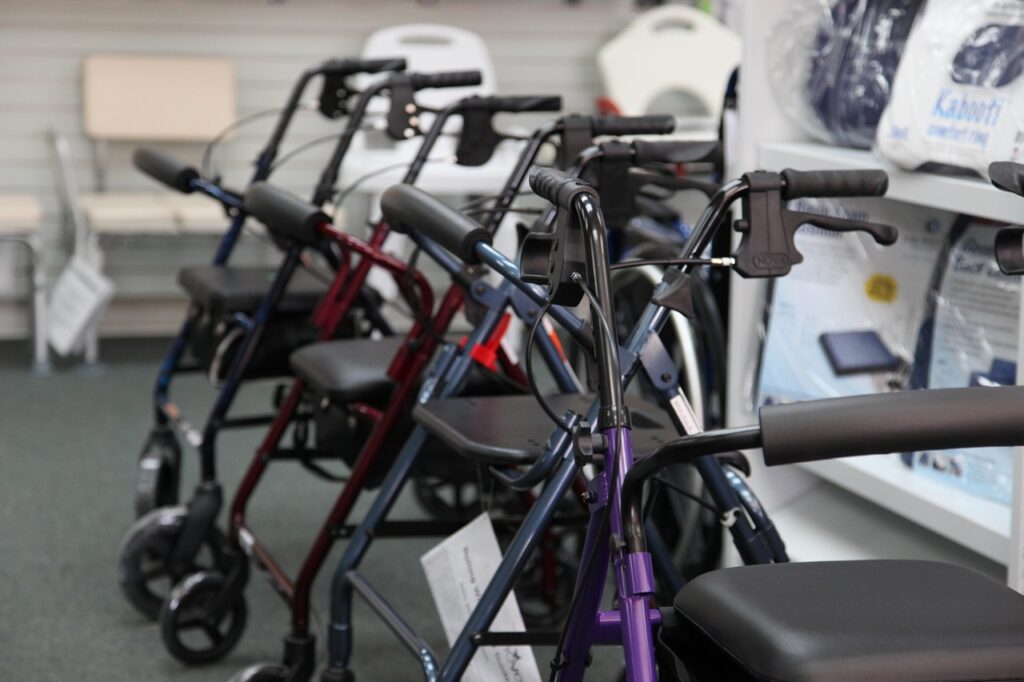
Explore mobility aid choices and find the right support for confidence and independence. Learn about canes, walkers, and scooters designed to make daily life easier.
The right mobility aid choice can make all the difference between feeling cautious and feeling confident. A well-fitted cane, walker, or rollator isn’t a sign of weakness — it’s a smart step toward staying active, steady, and independent. Whether you want light support for everyday walks or extra stability for uneven ground, there’s a safe option tailored to your lifestyle.
Mobility aid choices can make a huge difference in maintaining confidence and independence.
Why Mobility Aids Matter
Balance and strength are essential for independence, but sometimes muscles, joints, or inner-ear changes make it harder to move confidently. A mobility aid helps you stay active without fear of falling, reduces strain on your legs and back, and encourages proper posture.
Mobility aid choices depend on your strength, balance, and lifestyle needs.
Even short-term use after surgery or injury can help your body recover faster by giving you the support it needs while healing.
Benefits include:
- More stable walking and standing
- Reduced fatigue and joint stress
- Fewer slips, stumbles, or near-falls
- Greater endurance for errands, walks, or travel
💬 The right mobility aid helps you move freely — not cautiously.
Types of Mobility Aids and When to Use Them
1. Canes — Light Support for Everyday Balance
A cane is the simplest and most versatile mobility tool. It’s ideal if you occasionally feel unsteady or need a small amount of support for one side of your body.
Mobility aid choices allow seniors to stay active and engaged in daily life.
Types of canes:
- Standard canes: Straight, lightweight, and easy to carry.
- Quad canes: Four small feet provide extra stability.
- Folding canes: Collapse neatly for storage or travel.
- Offset-handle canes: Distribute weight evenly to reduce wrist strain.
When to consider one:
If you can walk independently but feel a bit wobbly or need help with balance when getting up from a chair.
✅ Tip: The handle should line up with your wrist crease when your arm hangs naturally at your side.

- COMFORT foam handle is easy to hold and provides a secure grip while walking or standing...
- STURDY design with rubber pad on the bottom for slippery surfaces and improved balance and...
- RELIABLE walking aid for adults and seniors seeking minimal support while walking.
- ASSURANCE for people with disabilities or post-op surgery, injuries, or recovery looking...


- COMFORT foam handle is easy to hold and provides a secure grip while walking or standing...
- STURDY design with rubber pad on the bottom for slippery surfaces and improved balance and...
- RELIABLE walking aid for adults and seniors seeking minimal support while walking.
- ASSURANCE for people with disabilities or post-op surgery, injuries, or recovery looking...

- YOUR TRUSTY WALKING COMPANION – This Folding Cane is the result of extensive design...
- SAFE & SECURE WITH UNIQUE SELF-LOCKING MECHANISM – Safely lock cane in place when...
- EASY GRIP PRESSURE RELIEF – Ergonomic, non-slip, palm-shaped handle improves comfort by...
- IMPACT & SHOCK ABSORPTION TIP – Heavy-duty concentric rubber tip for traction and shock...

- Up To 8 Adjustable Height: Rehand adjustable cane fits for people from 5'(152cm) to...
- Relieve Palm Pressure: Compared with traditional T grip devices, rehand innovative handle...
- All Terrain & Shock Absorbing: Cutting edge patented technology combines these 2 in 1. All...
- Wrap It Up: Being constructed with durable & lightweight aluminum frame, with a...
2. Walkers — Maximum Stability and Safety
Walkers offer full-body support, ideal for people recovering from surgery, experiencing leg weakness, or needing constant balance assistance.
Mobility aid choices promote freedom, not limitation, when used correctly.
Options include:
- Standard walkers: Four legs and no wheels — maximum stability but require lifting.
- Two-wheeled walkers: Easier to glide without losing control.
- Knee walkers: Designed for lower-leg injuries, offering comfort during recovery.
Best for: Seniors who need steady, secure assistance on flat indoor surfaces.
🩺 Ask a physical therapist to adjust the height so your elbows bend slightly — around 15 degrees — for the best comfort.

- Enhanced Mobility Assistance: The Drive Medical Folding Walker supports stability for...
- Lightweight Strength: Enjoy dependable walking support from this walker, built from...
- Smooth Multi-Surface Use: Move confidently with this walker, equipped with smooth-rolling...
- User-Friendly Operation: Navigate tight hallways or narrow areas with this adjustable...
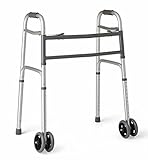
- HEAVY-DUTY CONSTRUCTION FOR BARIATRIC SUPPORT: Designed for larger adults, this sturdy...
- PUSH-BUTTON, HEIGHT ADJUSTABLE LEGS: Quickly and easily adjust the height from...
- EASY-FOLD DESIGN: Walker weighs 11 lbs. with 2-button mechanism that makes it easy to fold...
- ENHANCED MANEUVERABILITY: The 5” wheels glide smoothly over various surfaces, making...

- Knee scooter for adults Function: Ideal knee scooters for foot injuries adult : surgery to...
- Safety and stability: The scientific double tube structure is stronger and can provide...
- Safety and stability: The scientific double tube structure is stronger and can provide...
- Knee scooter with Bag:The BlessReach knee walker with detachable canvas bag. The canvas...
3. Rollators — Support with Freedom to Move
Rollators are walkers with wheels, hand brakes, and often a seat — perfect for people who still want mobility but prefer extra security on longer outings.
Features to look for:
- Adjustable handles: Fit your height comfortably.
- Seat and backrest: Great for rest breaks while shopping or walking outdoors.
- Storage basket or bag: Keeps personal items close.
- Brake locks: Essential for stability when sitting or standing.
Best for: Active seniors who can walk but tire easily or need occasional support.
💡 Rollators are often the top choice for independent seniors who value mobility and comfort.
4. Wheelchairs — Comfort and Control for Limited Mobility
For those who have difficulty walking long distances or standing safely, a wheelchair provides stability, safety, and freedom to get out and stay social.
Options include:
- Manual wheelchairs: Lightweight and easy to transport.
- Transport chairs: Smaller wheels for short trips and caregiver pushing.
- Power wheelchairs: Ideal for full independence at home or outdoors.
Best for: Seniors with severe balance challenges or limited leg strength.
🪑 Proper seating cushions prevent pressure sores and add comfort for extended use.
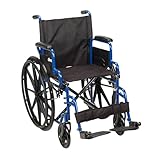
- Enhanced Mobility Support: The Drive Medical Blue Streak Lightweight Wheelchair provides...
- Comfort-Focused Design: Improve everyday comfort with this bold lightweight wheelchair...
- Reliable Everyday Performance: Count on consistent support from this medical wheelchair...
- Smooth Maneuverability: Navigate tight spaces with confidence using this bold folding...
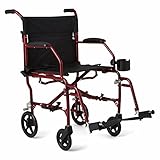
- LIGHTWEIGHT AND DURABLE: Ultra lightweight, 15 lbs., folding transport chair for adults...
- COMFORTABLE WITH EASY IN/OUT: Desk-length cushioned armrests for comfort; spacious...
- FOLDS EASILY FOR TRANSPORT: Compact design folds easily with swing-away footrests that...
- MANEUVERS EFFORTLESSLY: Sturdy 8” rear wheels coupled with swivel front wheels maneuver...

- Powerful Performance at Its Core – This electric wheelchair ensures smooth rides across...
- Compact & Comfortable – This mobility aid integrates seamlessly into both daily outings...
- User-Friendly Controls for Smooth Navigation – Featuring an intuitive joystick panel...
- Reliable Safety You Can Trust – Essential safety features let you ride with complete...

- Removable, full-length, flip-back arms make it easy to navigate under tables; removable...
- Breathable nylon upholstery is soft and comfortable
- Premium welds ensure reliability and durability
- Mag wheels with smooth-rolling flat-free tires for low maintenance; foot-powered movement...
5. Smart Mobility Aids — Modern Options for Safety
Technology has brought mobility aids into the modern era. Many now include smart sensors, GPS tracking, and fall detection, ideal for those who live alone.
Examples:
- Canes with built-in lights and alarms
- Smart rollators that track distance and remind users to rest
- GPS-enabled mobility trackers for caregivers
These innovations can provide peace of mind for both users and family members — combining independence with intelligent safety features.
Choosing the Right Mobility Aid for You
When selecting a mobility device, consider:
- Your current strength and endurance – Do you need constant or occasional support?
- Where you use it most – Indoors, outdoors, or both?
- Ease of storage and portability – Can it fold or fit into your car?
- Adjustability and comfort – Height, handle style, and grip.
- Budget and maintenance – Factor in replacement tips, wheels, or accessories.
🧩 If in doubt, start with a lightweight cane and upgrade if you feel you need more support.
Getting the Fit Right
A mobility aid should feel natural — not forced. When properly adjusted:
- The handle aligns with your wrist crease when standing upright.
- Your elbows bend slightly (10–20 degrees) when holding the handles.
- Your shoulders stay relaxed, never hunched.
- The device should roll or lift smoothly, with no wobble or drag.
If it feels uncomfortable or awkward, it may need resizing or replacement tips.
Maintaining Your Mobility Aid
A few minutes of care extends the life of your device:
- Check rubber tips and wheels monthly for wear.
- Keep brakes, bolts, and joints tight.
- Clean with mild soap and water — avoid harsh chemicals.
- Replace worn grips to maintain comfort and control.
🧽 Regular maintenance keeps your aid safe and reliable.
When to Seek Professional Help
If you’re unsure what type of mobility aid fits your situation, talk to your primary care provider or a physical therapist. They can measure your height, check your walking pattern, and recommend the safest model for your needs.
Some medical insurance plans may even cover part of the cost of walkers or wheelchairs if prescribed by a doctor.
Final Thoughts
The right mobility aid isn’t a limitation — it’s a tool for freedom. Whether you’re walking confidently with a cane or enjoying the outdoors with a rollator, these devices support your safety, independence, and quality of life.
Keep moving, stay curious, and choose support that helps you live on your terms.
Recommended Reading:
- Balance and Exercises: Strengthen your legs and improve stability
- Safe Movement at Home: Simple upgrades to prevent slips and falls
- Smart Mobility Technology: How innovation supports independence
Frequently Asked Questions
1. What is the difference between a walker and a rollator?
A walker must be lifted with each step and provides maximum stability, while a rollator rolls smoothly on wheels and includes hand brakes, a seat, and often a storage basket. Walkers suit those who need firm support; rollators fit people who still walk independently but want extra balance and rest options.
2. How do I know what height my cane or walker should be?
Stand naturally with your arms at your sides. The handle should align with the crease of your wrist. When you grip it, your elbow should bend slightly — about 10–20 degrees — allowing comfort and control.
3. Are mobility aids covered by Medicare or insurance?
Yes, in many cases. Medicare Part B may cover walkers, wheelchairs, and rollators if your doctor writes a prescription for “durable medical equipment.” Always check with your provider for coverage details and approved suppliers.
4. What type of mobility aid is best for outdoor use?
Rollators with large wheels and hand brakes work best outdoors. They handle uneven ground, sidewalks, and driveways more smoothly than standard walkers. Look for all-terrain models with strong frames and adjustable handles.
5. How often should I replace or maintain my mobility aid?
Inspect it monthly for loose bolts, worn rubber tips, or sticking brakes. Replace worn parts immediately. Most high-quality aids last several years with proper care and periodic adjustment.
6. Can using a mobility aid make me weaker over time?
No — when fitted properly, it prevents injury and supports safe movement. In fact, it allows you to stay active longer by reducing fatigue and promoting better posture. Think of it as a safety tool that helps you maintain independence. The right mobility aid choices empower seniors to live with confidence and dignity.