Daily Hydration Tracker
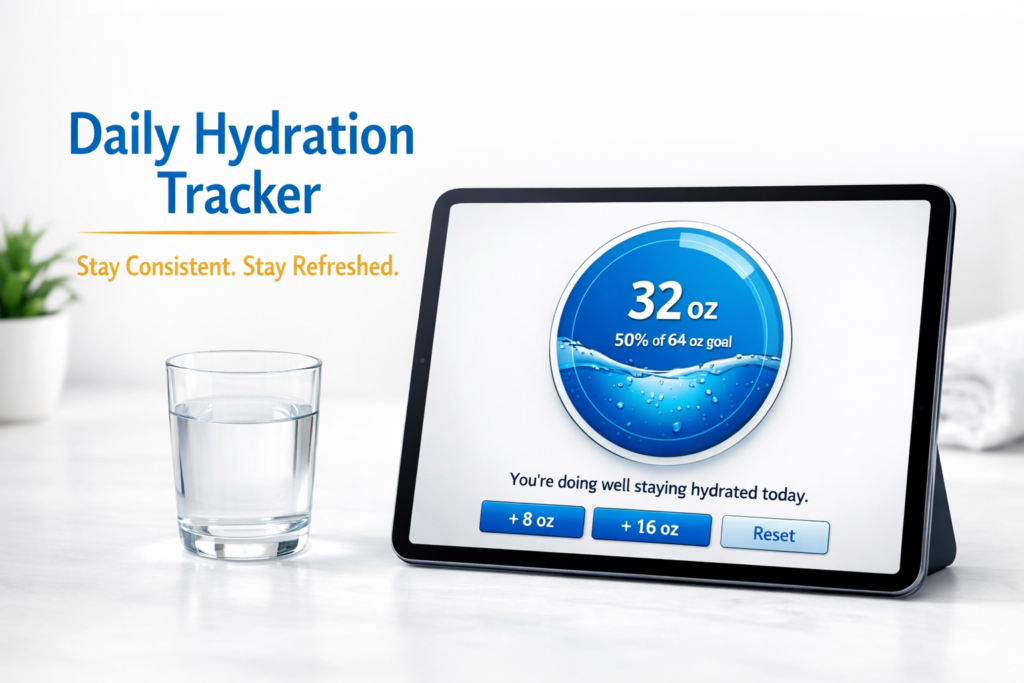
Tap to log your water intake and track your daily progress.
0% of 64 oz goal
Recommended Hydration Support
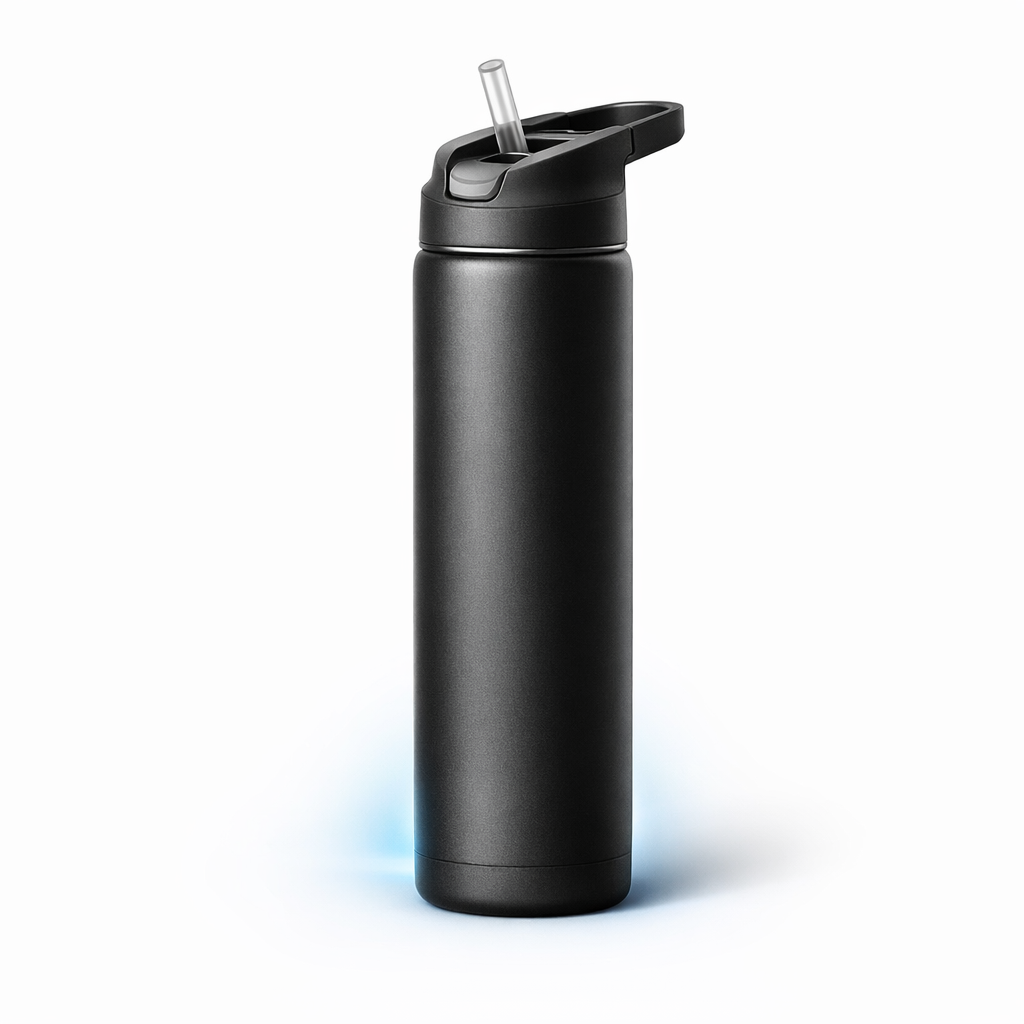
An insulated stainless steel bottle keeps drinks cold for hours and makes daily hydration easier to maintain.
View on Amazon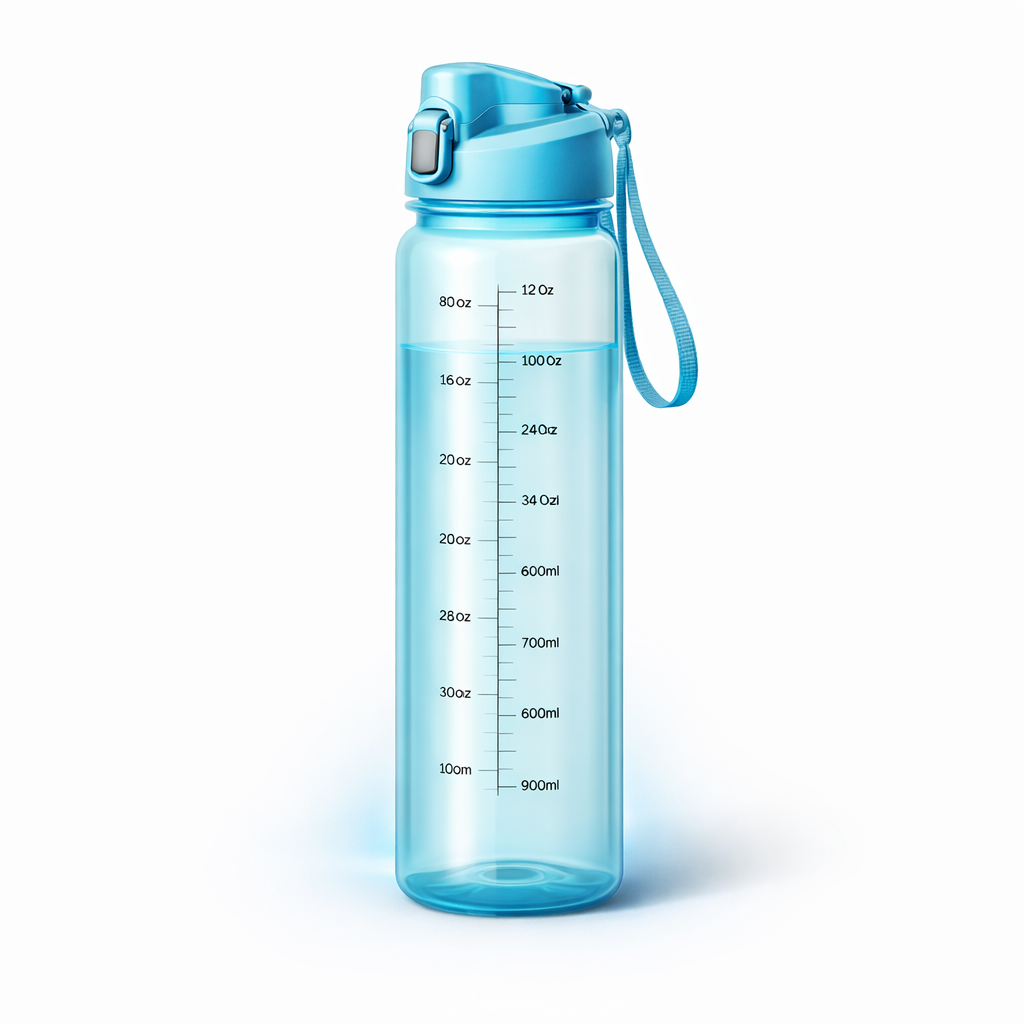
A 32oz bottle with measurement markings helps you visually track water intake throughout the day.
View on Amazon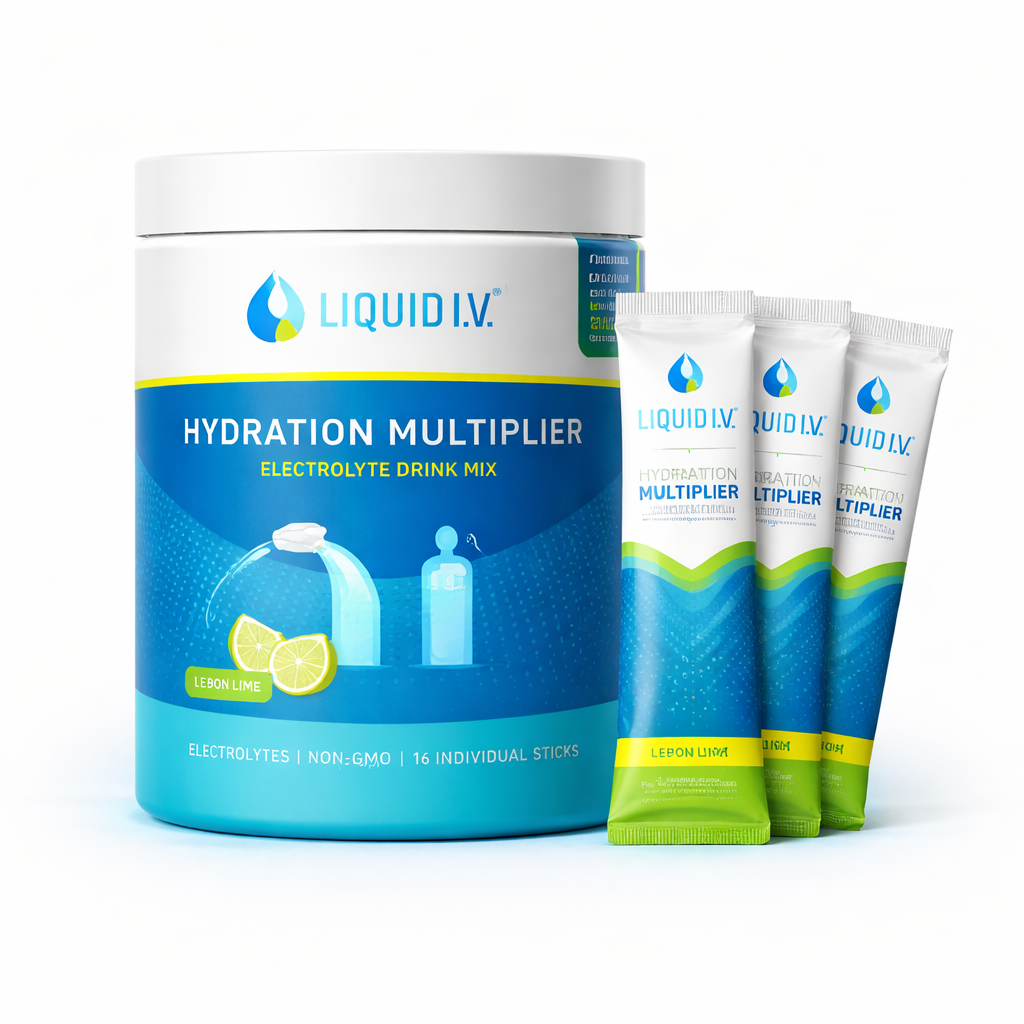
Electrolyte drink mixes can support hydration balance, especially during warmer months.
View on AmazonAs an Amazon Associate, we may earn from qualifying purchases.
Daily Hydration Tracker for Adults Over 60
Staying hydrated sounds simple. Drink water, feel better. But for many adults over 60, it is not that straightforward. Thirst signals can become less noticeable, medications may increase fluid loss, and busy routines can make it easy to forget to sip consistently throughout the day.
That is exactly why we built this Daily Hydration Tracker.
Instead of guessing how much water you’ve had, you can log each glass and see your progress instantly. The goal is not perfection. It is steady, manageable consistency.
When hydration becomes visible, it becomes achievable.
Why Hydration Matters More After 60
As the body changes, fluid balance becomes more important. Even mild dehydration can affect how you feel.
You may notice:
• Fatigue or low energy
• Headaches
• Lightheadedness
• Dry mouth
• Constipation
• Reduced focus
For many adults, these symptoms are blamed on age or poor sleep. Sometimes, the real issue is simply not drinking enough water.
Hydration supports circulation, joint comfort, digestion, temperature regulation, and overall daily energy. It also helps medications work properly and supports kidney health.
You do not need extreme amounts. You need steady intake.
How Much Water Should You Drink?
A common general guideline for many adults is around 64 ounces per day, but individual needs vary based on body size, climate, activity level, and medications.
If you exercise regularly, live in a warmer climate, or take certain prescriptions such as diuretics, your needs may be slightly higher. If you have kidney conditions or specific medical restrictions, always follow your healthcare provider’s guidance.
The tracker above uses 64 ounces as a simple baseline goal. The purpose is to encourage consistency, not rigid measurement.
How to Use the Daily Hydration Tracker
The tool is designed to be easy and frustration-free.
Each time you drink water, tap the appropriate button:
- 8 oz for a small glass
- 12 oz for a medium glass
- 16 oz for a large glass
The circular progress indicator fills visually, so you can see your daily progress at a glance. When you reach 50 percent of your goal, you are already well on your way. When you reach 100 percent, you have completed your hydration target for the day.
Your progress saves automatically for the day. If you leave and return later, your logged intake will still be there.
If needed, you can reset the day and start fresh.
Simple Strategies to Stay Consistent
Hydration does not need to feel like a chore. Small habits make a difference.
Keep a glass of water near your bed and take a few sips when you wake up. Pair drinking water with daily routines such as taking medications, brushing your teeth, or preparing meals. Choose a bottle with visible ounce markings so you can see progress throughout the day. Cold water is often easier to drink consistently, so an insulated bottle may help.
If plain water feels repetitive, adding lemon slices or a splash of fruit can improve flavor without adding sugar.
The key is regular sipping, not chugging large amounts at once.
Signs You May Need More Fluids
Pay attention to subtle signals. These can include darker urine, feeling unusually tired, muscle cramps, or dry skin. In warmer weather, hydration needs increase naturally.
If you experience persistent dizziness, confusion, or rapid heartbeat, seek medical attention promptly. Severe dehydration is uncommon but should never be ignored.
Hydration and Sleep
Many people reduce evening water intake to avoid nighttime bathroom trips. While that can be helpful, avoid cutting fluids too early in the day. Try front-loading hydration earlier and tapering gently after dinner.
A small bedside glass of water can support overnight comfort without overdoing intake.
If you are working on improving sleep quality, hydration plays a supportive role. Dehydration can increase restlessness and morning fatigue.
Supportive Hydration Tools
The right bottle can make consistency easier. Time-marked bottles provide visual reminders throughout the day. Insulated tumblers keep water cold and appealing for hours. A simple bedside carafe keeps hydration accessible without walking to the kitchen.
These are not required, but they can reduce friction and help turn hydration into a daily habit rather than a daily task.
Final Thought
Hydration is not a trend. It is a foundation.
You do not need complicated routines. You do not need expensive supplements. You simply need steady intake, awareness, and a practical system.
This Daily Hydration Tracker exists to make that process easier.
Use it consistently. Adjust based on your comfort and medical guidance. And remember, small daily habits create long-term stability.
Frequently Asked Questions
How much water should a person over 60 drink each day?
Many adults over 60 aim for around 64 ounces of water per day, but individual needs vary. Body size, medications, activity level, and climate all influence hydration requirements. Some people may need slightly more, while others should follow guidance from their healthcare provider, especially if managing kidney or heart conditions.
Does coffee count toward daily hydration?
Coffee does contribute to overall fluid intake, but it also has a mild diuretic effect. For most people, moderate coffee consumption does not cause dehydration. However, plain water should still make up the majority of daily fluid intake for consistent hydration support.
Why don’t I feel thirsty even when I’m dehydrated?
As people get older, the body’s thirst response can become less sensitive. This means you may not feel thirsty even when your body needs fluids. That is one reason a daily hydration tracker can be helpful. It creates awareness even when natural thirst signals are weaker.
Can drinking too much water be harmful?
Yes, excessive water intake in a short period can dilute sodium levels in the body. This is uncommon in normal daily routines but can occur if someone drinks extreme amounts very quickly. Steady intake throughout the day is safer than large amounts at once.
Should I drink less water to avoid nighttime bathroom trips?
Instead of cutting fluids drastically, try drinking more water earlier in the day and reducing intake closer to bedtime. Small adjustments in timing often improve sleep comfort without reducing overall hydration.
Is 64 ounces the right goal for everyone?
No single number works for everyone. The 64-ounce goal is a simple starting point for general wellness. Individual needs vary. If you have medical conditions or are unsure about your ideal intake, consult your healthcare provider for personalized guidance.