
What to Look For—and Where Experience Is Often Valued
Many seniors exploring remote work ask a practical question early on: Which companies actually hire older adults to work from home? The good news is that remote hiring has become mainstream, and a growing number of large, established organizations openly value reliability, communication skills, and professionalism—traits that often come with experience.
Rather than chasing every listing that promises flexibility, it’s more effective to focus on companies and sectors that have a track record of offering structured remote roles, clear expectations, and legitimate hiring processes. This article explains where those opportunities tend to exist and what makes certain employers a better fit for seniors.
Why Some Companies Are More Senior-Friendly Than Others
Companies that hire seniors remotely usually share a few characteristics. They operate at scale, rely on standardized training, and need consistent, dependable staff more than speed or trend-driven skills. These employers often support flexible schedules, part-time options, and remote onboarding because it helps them retain workers long term.
Just as important, these organizations typically follow formal hiring practices. That means clear job descriptions, interviews, and defined pay structures—signals that a role is legitimate and worth considering.
Health, Insurance, and Care-Related Organizations
Large healthcare and insurance organizations are among the most reliable sources of remote work for seniors. Many of these roles involve customer service, care coordination, scheduling, or administrative support rather than clinical work.
Companies in this category frequently hire remote representatives to answer questions, assist members, and handle documentation. Calm communication, patience, and accuracy matter more here than technical speed, which makes these roles a natural fit for experienced workers.
Well-known organizations in this space include UnitedHealth Group and CVS Health, both of which regularly list remote and hybrid positions across customer support and administrative teams. Availability can vary, but these companies are often worth monitoring.
Customer Service–Driven Companies With Remote Teams
Many large companies rely on remote customer support teams to handle calls, emails, and live chats. These roles tend to be structured, with defined shifts and training provided upfront.
Because customer-facing work depends on professionalism and clear communication, age is rarely a barrier. In fact, companies often prefer representatives who can remain composed and helpful under pressure.
Organizations such as Amazon and American Express have historically offered remote customer support roles, including part-time options. As with all large employers, openings change frequently, but their remote infrastructure is well established.
Education, Nonprofit, and Member-Based Organizations
Educational institutions, nonprofits, and member-based organizations often hire remote staff for advising, support, and administrative roles. These environments tend to value experience, empathy, and reliability over fast-paced output.
For seniors who enjoy helping others or working in mission-driven settings, this category can feel especially meaningful. Schedules are often predictable, and the work is usually well defined.
One example frequently associated with senior-focused employment resources is AARP, which posts a range of job opportunities and partners with employers that support age-inclusive hiring practices.
Consulting, Contract, and Project-Based Employers
Some seniors prefer not to work fixed shifts at all. In these cases, companies that hire consultants or contract workers can offer flexibility without sacrificing professionalism.
Project-based roles are common in areas like writing, editing, compliance review, training support, and administrative consulting. These positions reward experience and judgment, allowing seniors to contribute without committing to long hours.
While this type of work requires more self-direction, it often provides greater control over workload and schedule.
What to Expect From Legitimate Employers
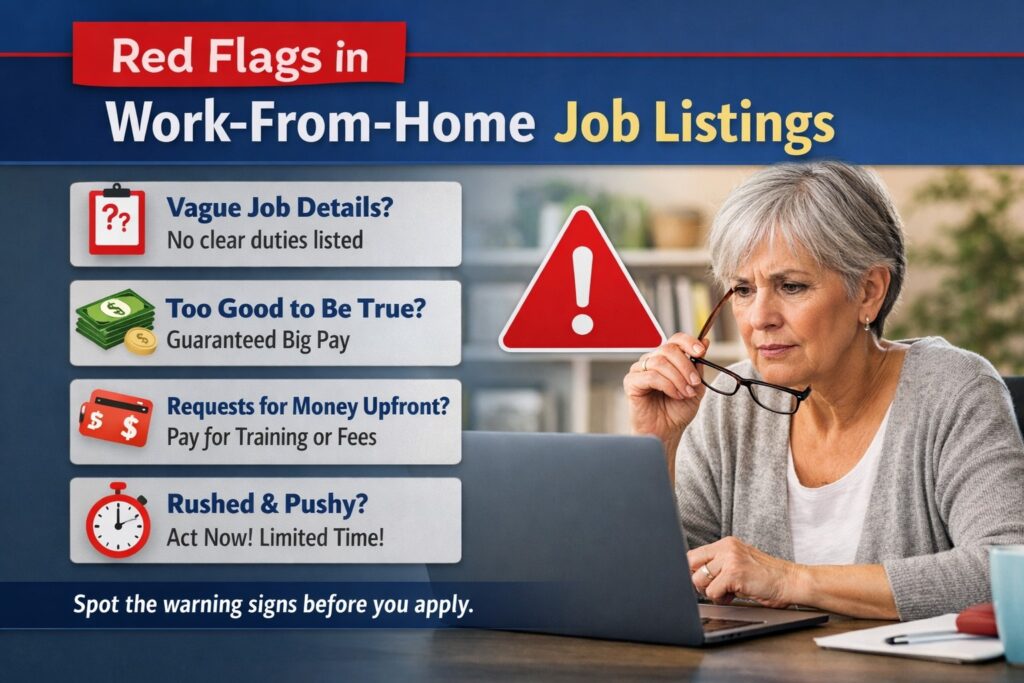
Regardless of the company, senior-friendly remote employers usually follow similar patterns. The job listing explains responsibilities clearly. The application process includes an interview. Pay and scheduling are discussed openly. Training is provided, and no upfront fees are required.
If a company rushes the process, avoids questions, or asks for personal information too early, those are signals to step back—no matter how recognizable the name may be.
How to Approach These Opportunities Wisely
Rather than applying everywhere at once, it helps to identify a few trusted companies and check their career pages regularly. Large organizations often update listings weekly, and roles may open and close quickly.
It’s also smart to read job descriptions carefully and match them to your preferences. Some seniors prefer phone-based roles, while others are more comfortable with email or chat support. Choosing roles that align with your strengths increases the chance of a positive experience.
Remote Work With the Right Employer Can Be Sustainable
Companies that hire seniors for remote work are rarely flashy. They tend to be established, process-driven, and focused on long-term stability. For seniors seeking legitimate work-from-home options, those qualities matter far more than novelty or hype.
When the employer values experience and communicates clearly, remote work can feel manageable, respectful, and worthwhile. Those are the opportunities worth pursuing—one thoughtful application at a time.
Conclusion: Focus on Fit, Not Hype
Companies that hire seniors for remote work tend to value reliability, clear communication, and experience more than speed or buzzwords. These employers are usually established, process-driven, and transparent about what the work involves.
Rather than applying to every listing that promises flexibility, focusing on organizations with structured hiring practices helps reduce frustration and risk. When a remote role feels professional from the start, it is more likely to be a sustainable fit.
Remote work can be a practical option when chosen carefully. The right employer respects your time, communicates clearly, and offers work that fits comfortably into everyday life. Those are the opportunities worth pursuing.
For a broader look at legitimate remote roles and how they fit different schedules and preferences, readers may find it helpful to explore the Remote & Work-From-Home Options hub.
Frequently Asked Questions
Do companies really hire seniors for remote work?
Yes. Many established companies hire seniors for remote roles, especially in customer support, healthcare administration, education services, and administrative work. These employers often value reliability, communication skills, and experience.
What types of remote jobs are seniors most often hired for?
Seniors are commonly hired for customer service, scheduling, administrative support, tutoring, member assistance, and project-based consulting roles. These positions typically emphasize consistency and clear communication rather than speed.
Are remote jobs with large companies safer than small or unknown ones?
Generally, yes. Larger organizations usually have formal hiring processes, clear job descriptions, structured training, and transparent pay. That makes it easier to verify legitimacy and avoid misleading listings.
Do companies care about age when hiring for remote work?
Most legitimate employers focus on skills, professionalism, and dependability rather than age. In remote roles, experience and communication ability are often considered strengths.
Should seniors expect full-time or part-time remote roles?
Both exist, but many seniors prefer part-time or flexible schedules. Many companies offer remote roles with defined shifts, reduced hours, or contract-based arrangements that fit different needs.
How can seniors tell if a company offering remote work is legitimate?
Legitimate employers clearly explain the role, conduct interviews, provide company information, and never ask for upfront fees. Job listings should feel professional and allow time for questions.
Is it better to apply through job boards or company websites?
Applying directly through a company’s official careers page is usually safer. It reduces the risk of scams and ensures the listing is current and accurate.
Can remote work be sustainable long-term for seniors?
Yes, when the role fits personal preferences and energy levels. Remote work with clear expectations and respectful employers can be a stable and manageable option over time.