
Best sleep Aid for Seniors (60+): Safer Options That Actually Help
Struggling with insomnia or poor sleep? For those over 60, finding a safe and effective sleep aid is crucial. This guide covers natural and over-the-counter options, prescription medications and lifestyle changes that can genuinely improve your sleep quality. Find the best sleep aid for seniors over 60 below.
Download Sleep Hyglone Checklist
Sleep Debt Tracker tool for Seniors
| Type | Natural | OTC |
Natural & OTC Sleep Aids
- Melatonin for Seniors Over 60: Safe Dosage and Benefits
- Magnesium and sleep: Does it work for Older Adults?
- Best Over-the-counter sleep Aids for Seniors
Prescription Sleep Medications
- Is Ramelteon a Good Option for Seniors?
- Understanding Low-Dose Doxepin for Sleep
- Prescription Sleep Aids That Seniors Shod Avoid
Lifestyle Changes for Better Sleep
- Top Sleep Hygiene Tips for Seniors
- How Exercise Can Improve Sleep After 60
- Managing Stress and Anxiety to Aid Sleep

- ✔9-in-1 Extra Strength Formula for Rest & Recovery: Struggling with lower-dose melatonin…
- ✔Fast-Dissolving for Rapid Absorption and Onset: Unlike traditional melatonin products…
- ✔Natural Support for Relaxation and Comfort: The herbal blend in this formula works…
- ✔MSM & Magnesium for a Flexible, Comfortable Body: A good night’s rest starts with…

- Support Sleep & Calmness* – iMATCHME’s magnesium supplement is expertly crafted with a…
- Complete Wellness in Every Capsule – Elevate your overall well-being with iMATCHME’s…
- Gentle on the Stomach, Easy to Take – iMATCHME’s magnesium glycinate capsules are…
- Clean, Trusted Ingredients – Our formula is vegan, non-GMO, and free from soy, gluten…

- FALL ASLEEP, STAY ASLEEP: Relaxium’s Triple-Action formula is guaranteed to help you wake…
- DEVELOPED BY A RENOWNED NEUROLOGIST: Dr. Eric Ciliberti, MD developed Relaxium Sleep to…
- BOOST IMMUNE HEALTH W/ BETTER SLEEP: Sleep deprivation is known to suppress our body’s…
- FALL ASLEEP FASTER, STAY ASLEEP LONGER, AWAKE REVITALIZED: Relaxium’s Triple-Action…

- WHITE NOISE, SIMPLIFIED: Dohm Uno features our Yogasleep sound: natural, comforting…
- CUSTOMIZED EXPERIENCE: Dohm Uno offers a simple one-speed setting while allowing you to…
- CRAFTED WITH LOVE: For over 60 years, Yogasleep has consistently set the gold standard in…
- SIMPLE TO USE: Plug in Dohm Uno using the included 6-foot 120V AC power cable, flip the…
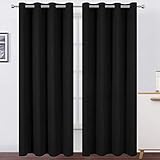
- Made of high quality durable 100% polyester fabric, our blackout curtains are super…
- Package Includes: 2 black curtain panels, each blackout curtain measures 52 inch wide and…
- Blackout Curtains and Privacy Maximization: Curtains impede 85%-99% light and UV…
- Energy Saving Curtains: These thermal insulated curtains help prevent energy loses by…
Sleep Aid Options for Seniors (Comprehensive Chart)
Note for Seniors: Safer options like CBT-I, sleep hygiene, melatonin, low-dose doxepin, and ramelteon are usually recommended first. Z-drugs (Ambien, Lunesta) may be prescribed but can raise the risk of falls, confusion, and next-day grogginess.
Disclaimer: Educational only — not medical advice. Always consult your doctor before starting or changing any sleep treatment.
CBT-I (Cognitive Behavioral Therapy for Insomnia)
Helps With: Chronic insomnia, difficulty falling or staying asleep
How It Works: Structured techniques to change thoughts/behaviors around sleep.
Risk for Seniors: Very low; non-drug.
Who Should Avoid: Untreated severe mental health issues (seek clearance).
Our Take: Gold standard, durable results.
Sleep Hygiene
Helps With: General sleep difficulties
How It Works: Routine, light, caffeine, and environment optimization.
Risk for Seniors: None.
Who Should Avoid: Safe for all.
Our Take: Foundation; pair with CBT-I.
Light Therapy
Helps With: Circadian issues, SAD
How It Works: Morning light box to reset the body clock.
Risk for Seniors: Eye strain/headache possible.
Who Should Avoid: Eye disease or photosensitive meds (get clearance).
Our Take: Proven when timed right.
Melatonin
Helps With: Jet lag, delayed sleep phase
How It Works: Supplements natural sleep signal.
Risk for Seniors: Dizziness/headache; drug interactions possible.
Who Should Avoid: Blood thinners, diabetes or BP meds (check with doctor).
Our Take: Gentle, best short-term.
Magnesium
Helps With: Relaxation, restless legs
How It Works: Aids muscle relaxation & GABA function.
Risk for Seniors: GI upset at high dose; low BP.
Who Should Avoid: Kidney disease.
Our Take: Solid supportive aid.
Valerian Root
Helps With: Sleep onset, anxiety-related sleep issues
How It Works: Herbal; may boost GABA.
Risk for Seniors: Headache/dizziness; GI upset.
Who Should Avoid: On sedatives; liver disease.
Our Take: Mixed but worth a try short-term.
Low-Dose Doxepin
Helps With: Sleep maintenance
How It Works: Low-dose histamine blockade.
Risk for Seniors: Dry mouth, dizziness.
Who Should Avoid: Glaucoma, urinary issues.
Our Take: FDA-approved; one of the safest Rx options.
Ramelteon (Rozerem)
Helps With: Sleep onset
How It Works: Melatonin receptor agonist; non-habit-forming.
Risk for Seniors: Dizziness, fatigue.
Who Should Avoid: Severe liver disease.
Our Take: Very safe Rx choice.
Z-drugs (Ambien, Lunesta, Sonata)
Helps With: Short-term insomnia
How It Works: GABAergic sedation.
Risk for Seniors: Falls, confusion, memory problems.
Who Should Avoid: Fall risk, dementia, other sedatives.
Our Take: Works but risky; not first-line.
Benzodiazepines (Restoril, Valium, Ativan)
Helps With: Insomnia & anxiety (older sedatives)
How It Works: Strong GABAergic sedation.
Risk for Seniors: High risk: dependence, confusion, falls.
Who Should Avoid: Most older adults.
Our Take: Outdated for sleep; avoid in seniors.
Prescription Sleep Aids (Doctor Prescribed)
Low-Dose Doxepin
Helps With: Sleep maintenance insomnia
Key Notes for Seniors: 3–6 mg; minimal next-day effects.
Our Take: One of the safest Rx options for older adults.
Ramelteon (Rozerem)
Helps With: Sleep onset insomnia
Key Notes for Seniors: Melatonin receptor agonist; non-habit-forming.
Our Take: Gentle circadian-focused option.
Zolpidem (Ambien)
Helps With: Short-term insomnia
Key Notes for Seniors: Quick onset; higher fall/confusion risk.
Our Take: Reserve for when safer options fail.
Eszopiclone (Lunesta)
Helps With: Falling & staying asleep
Key Notes for Seniors: Longer-acting; metallic taste, next-day drowsiness possible.
Our Take: Effective but not first-line for seniors.
Sleep Aid Options (Doctor Prescribe
Doctor-Prescribed Options: These four medications are commonly discussed for insomnia in older adults. Safer choices (low-dose doxepin, ramelteon) first; Z-drugs only if safer options aren’t suitable.
Prescription Sleep Aids (Doctor Prescribed)
Low-Dose Doxepin
Helps With: Sleep maintenance insomnia
Key Notes for Seniors: 3–6 mg; minimal next-day effects; possible dry mouth/dizziness.
Our Take: One of the safest Rx options for older adults.
Ramelteon (Rozerem)
Helps With: Sleep onset insomnia
Key Notes for Seniors: Melatonin-receptor agonist; non-habit-forming; possible dizziness/fatigue.
Our Take: Gentle, circadian-focused option.
Zolpidem (Ambien)
Helps With: Short-term insomnia
Key Notes for Seniors: Fast onset; higher risk of falls/confusion/sleep-behaviors.
Our Take: Reserve for when safer options fail.
Eszopiclone (Lunesta)
Helps With: Falling & staying asleep
Key Notes for Seniors: Longer acting; metallic taste; next-day drowsiness possible.
Our Take: Effective but not first-line for seniors.
Frequently Asked Questions
Are sleep aids safe for seniors?
Some are very safe (e.g., CBT-I, low-dose , or ). Others—like —carry higher risks (falls, confusion). Always talk to your doctor first.
Which sleep aid should I try first?
Start with non-drug approaches: sleep hygiene and CBT-I. If a prescription is needed, many seniors do well with low-dose or , guided by a clinician.
Can I buy these over the counter?
Yes—natural options like , , and are available on Amazon. A bright-light box for circadian issues can also help: . Prescriptions require a doctor.
What if I don’t want medication?
Try CBT-I, a structured, drug-free approach with strong evidence. Pair it with sleep hygiene, a morning if your schedule is off, and supportive supplements like (if kidneys are healthy).
Who should avoid Z-drugs like Ambien or Lunesta?
Older adults with a history of falls, balance problems, memory issues, or those taking other sedatives/alcohol should avoid them. Discuss safer options with a clinician: .
How do I time melatonin or light therapy?
Melatonin is typically taken 30–60 minutes before bedtime for sleep-onset issues; for circadian phase shifts, timing varies—see our melatonin timing guide. Light therapy is usually done in the morning for 20–40 minutes—see best timing guide. When in doubt, .