

Maintaining a healthy weight after 60 comes with a unique set of challenges, but it also brings enormous benefits—more energy, better mobility, improved heart health, sharper thinking, and a renewed sense of confidence. Many older adults discover that strategies that worked years ago no longer give the same results, and it can feel frustrating trying to navigate what advice is still safe, what actually works, and what’s just another passing trend. That’s why this guide is designed specifically for seniors. It blends medical-backed insights with practical steps you can start today, at your own pace, and with your safety at the center.
Weight loss for seniors isn’t about chasing a number on a scale. It’s about supporting mobility, lowering the risk of chronic conditions, reducing inflammation, boosting longevity, and helping you enjoy everyday life with more comfort. The goal is always progress — not perfection — and we’ll walk through everything step-by-step so you can find the methods that feel right for your body.
1. Why Weight Loss Works Differently After 60
Many seniors feel confused when they gain weight despite eating the same foods or following habits that used to work. This shift is incredibly common and tied to several natural changes that occur as we get older. Metabolism slows down a bit each year, which means your body burns fewer calories at rest. Hormones that regulate hunger, fullness, and how your body stores fat also shift over time, especially around menopause for women and testosterone changes for men.

Another major factor is muscle loss (sarcopenia). Muscle burns significantly more calories than fat, even when you’re sitting still. After 60, your body naturally loses muscle unless you intentionally work to keep it. This leads to a slower metabolism, more stored fat, and less strength to support daily activities. Finally, medications for conditions like thyroid issues, blood pressure, pain, and diabetes can also influence appetite, water retention, and fat storage.
Understanding these changes helps you take control again. When seniors adopt strategies that support metabolism, muscle strength, mobility, and hormone balance, weight loss becomes safer and more predictable. You’re not doing anything wrong — you simply need a plan built for the stage of life you’re in.
2. Start With Your Doctor: The Most Overlooked Step
Before making changes to your diet or exercise routine, it’s essential to speak with your doctor, especially if you’re managing chronic conditions or taking medications. A quick conversation gives you a baseline and ensures every step you take is safe for your health needs. Many seniors skip this because they’re eager to get started, but this 10-minute step can prevent dizziness, dehydration, medication conflicts, or overexertion.
Your doctor may also provide insights into whether weight gain stems from hormonal changes, thyroid issues, water retention, inflammation, or slow metabolism. In many cases, small adjustments in medications or supplements can support your goals without major lifestyle overhauls. You may also be referred to a nutritionist or physical therapist who specializes in older adults.
Think of this step as setting the foundation for everything else. Your long-term success improves when your body and medical team are aligned with your goals.
3. Focus on Losing Fat — Not Muscle
Many seniors who lose weight quickly end up losing a significant amount of muscle, which makes balance harder, increases fall risk, slows metabolism, and weakens the immune system. The safest and most effective approach is slow, intentional weight loss that preserves or builds lean muscle.
To protect your muscle as you lose weight, your strategy should include three elements: adequate protein, strength training, and gradual calorie changes. Muscle is metabolically active, meaning it helps your body burn calories even when resting. By strengthening your muscles, you increase your daily energy expenditure naturally.

- PEANUT BUTTER CHOCOLATE CHIP PROTEIN BARS: Each box contains 12 plant-based protein bars that deliver a satisfying…
- HIGH FIBER WITH ONLY 5G SUGAR: 14g of plant-based protein and 10g of fiber with only 5g of sugar per bar. A satisfying…
- GUILT-FREE SNACKING & GREAT TASTING: Seriously great tasting, USDA Organic, Non-GMO, Certified Gluten-Free, Kosher, Soy-Free…


- Quest Ultimate Protein Bars Variety Pack. Your favorite Quest protein bars! In one fantastic variety pack! Enjoy the many…
- ON A QUEST. Quest protein bars deliver the great taste you want in a snack.
- AT HOME OR ON-THE-GO. Delicious protein bars that fit right into your busy schedule.
This approach also improves mobility, posture, flexibility, and stability—areas that matter more and more with age. And because muscle takes up less space than fat, you may notice your clothes fitting better even before the scale changes.
4. The Power of Protein for Seniors
Protein plays a bigger role in senior weight loss than most people realize. Not only does it help you build and maintain muscle, but it also keeps you full longer, stabilizes blood sugar, and reduces cravings. Many seniors unintentionally under-eat protein, which causes fatigue and slows your metabolism.
Aim for 25–30 grams of protein per meal. Good senior-friendly sources include soft fish like salmon, Greek yogurt, eggs, cottage cheese, smoothies with protein powder, and soft-cooked chicken. These options are easy to chew and digest, and they support stable energy.

- CLEANER INGREDIENTS: 21g of Organic plant based protein and 1g sugar. Our protein blend contains Organic peas, brown rice…
- HIGHER STANDARDS: This product is vegan, contains no erythritol, gluten-free, kosher, made without soy ingredients & Non-GMO…
- USDA ORGANIC & CERTIFIED PLANT-BASED: To ensure we are delivering on high-quality products, we use third parties to verify…

- 30G OF HIGH-QUALITY PROTEIN – Each serving delivers 30g of premium whey protein to support muscle growth, strength, and…
- IMMUNE SUPPORT FORMULA – Fortified with Vitamins C & D and Zinc to help support a healthy immune system while meeting your…
- DELICIOUS STRAWBERRY FLAVOR – Enjoy the refreshing, smooth taste of strawberry in a protein shake that mixes effortlessly…
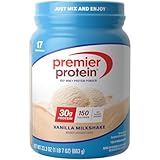
- Sweet and smooth, this vanilla flavored protein powder helps pack in the nutrition you rely on every day while delivering…
- 30g Protein per serving, with all the essential amino acids and 100% of protein from Whey to feed your muscles and curb your…
- Guilt free yum: 1g Sugar, 3g Carbs, 150 Calories and Low Fat; No Soy Ingredients, Gluten Free
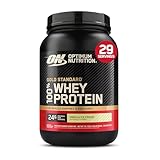
- GOLD STANDARD WHEY PROTEIN – 24 g of premium whey protein per scoop from whey protein isolate and concentrate to help build…
- ANYTIME FORMULA – A great choice post run or lift, between meals, with a meal, or any time of day when you need extra…
- POST WORKOUT RECOVERY – Loaded with 5.5 g of naturally occurring BCAAs (branched-chain amino acids) and 11 g of essential…
If you struggle to meet your protein needs through food alone, protein shakes can be a simple way to supplement breakfast or lunch. Look for blends that include whey, pea, or collagen proteins, and avoid added sugar. Balancing your protein intake across the day gives your body what it needs to build stronger, healthier muscles while supporting weight loss in a safe and sustainable way.
5. Add More Fiber — Nature’s Appetite Manager
Fiber is one of the easiest and most powerful tools for weight loss, especially for older adults. It helps you stay full longer, supports digestive health, prevents constipation, and stabilizes blood sugar after meals. Fiber also feeds the good bacteria in your gut, which play a key role in weight management, inflammation control, and immune function.

You can boost your fiber intake with simple swaps like adding berries to breakfast, choosing whole-grain bread instead of white, or enjoying a small salad before dinner. Foods like oats, apples, lentils, beans, barley, pears, and vegetables are all excellent sources. Drinking more water helps fiber work properly and reduces bloating.
By increasing fiber gradually throughout the day, you’ll naturally reduce overeating and unnecessary snacking—without feeling restricted.
6. Hydration: A Small Change With Big Results
Many seniors walk around mildly dehydrated without realizing it, which leads to fatigue, headaches, slowed metabolism, and increased hunger signals. The body can mistake thirst for hunger, leading to unnecessary snacking and extra calories.
Drinking enough water throughout the day supports digestion, energy, and weight loss. Adding a glass before each meal helps you feel full faster and may reduce calories without effort. Herbal teas, infused water, broth-based soups, and low-sugar electrolyte drinks are also great options for hydration.
Because thirst cues fade with age, creating a simple water routine can make a big difference. Something as small as keeping a water bottle nearby or drinking a glass upon waking can improve how your body regulates energy and appetite.
7. Make Balanced Meals: A Simple Plate Formula
A balanced plate doesn’t need to be complicated. One easy formula that works well for seniors is the “½–¼–¼” approach: half vegetables, one-quarter lean protein, and one-quarter whole grains or starchy foods. This plate supports nutrient needs, stabilizes blood sugar, and keeps calories naturally balanced.
Meals with colorful vegetables provide essential vitamins and minerals that support joint health, eyesight, immunity, and digestion. Protein stabilizes energy, while whole grains like quinoa, brown rice, or barley provide fiber and steady fuel.
This simple formula takes the guesswork out of eating and helps seniors maintain a consistent approach to meals without feeling overwhelmed. Small, steady improvements in meal composition lead to sustainable weight loss.
8. Understanding Portion Sizes as You Age
Portion sizes can be tricky to manage, especially when metabolism slows. The key isn’t to create a restrictive diet but to build awareness. A simple strategy is using smaller plates, splitting restaurant meals in half, or slowing your eating so your brain has time to signal fullness.

Many seniors discover that mindless eating happens during evening hours, not meals. Identifying these patterns helps you regain control without feeling deprived. You may also find that your appetite shifts with daily activity levels—listening to your body rather than forcing large meals can support weight loss naturally.
Learning your ideal portion sizes takes time, but it becomes easier as your meals include more protein, fiber, and hydration. These nutrients naturally reduce overeating without calorie counting.
9. Smart Snacking: What Works Best for Seniors
Snacks can be helpful for weight loss—as long as they’re intentional. Smart snacking prevents blood sugar crashes, reduces overeating at meals, and gives you steady fuel throughout the day. The best snacks combine protein and fiber, such as Greek yogurt with berries, apple slices with peanut butter, or nuts with a piece of fruit.

- Delicious Chobani Greek Yogurt
- Excellent source of protein
- Contains live and active cultures

- Yogurt and Type 2 Diabetes: Eating yogurt regularly, at least 2 cups (3 servings) per week, may reduce the risk of type…
- Stronger Makes Everything Better: Four 5.3 oz cups of Oikos Triple Zero Mixed Berry Nonfat Greek Yogurt
- Full on Taste: Greek straining process creates an ultra-thick, creamy and delicious nonfat mixed berry yogurt that is great…
Avoid snacks high in sugar, white flour, or oils because they raise blood sugar quickly and then cause energy crashes. Reading food labels helps you catch hidden sugars in crackers, granola bars, flavored yogurt, or packaged “diet snacks.”
Creating a list of go-to snack options helps you stay consistent and prevents grabbing whatever is convenient. With the right choices, snacking becomes part of a healthy routine—not something to avoid.
10. The Importance of Sleep for Weight Loss
One of the most overlooked factors in senior weight loss is sleep. Poor sleep increases hunger hormones, reduces metabolism, and makes cravings feel harder to control. Seniors experiencing insomnia, nighttime waking, or discomfort often find that weight loss becomes more difficult.
That’s why improving sleep is one of the smartest strategies you can use. Better sleep supports your brain, mood, cravings, mobility, and metabolism. Even small steps—like keeping a calm bedtime routine, avoiding screens, and using supportive bedding—can make a meaningful difference.
You can link this section to your Sleep & Comfort Hub on 60AndOver.net for a strong internal link that supports both SEO and user experience.
11. Incorporate Movement You Actually Enjoy
Exercise doesn’t need to be intense to support weight loss. What matters most is consistency. Seniors benefit from a mix of gentle cardio, strength training, and balance work. Walking is one of the best exercises for older adults because it boosts heart health, burns calories, and strengthens the lower body.
Chair workouts, swimming, dancing, resistance bands, and simple bodyweight exercises help you maintain muscle and mobility. The safest plan is starting with small movements and gradually increasing frequency. Even five minutes a day makes a difference when done consistently.
Exercise improves mood, digestion, circulation, joint comfort, and mental clarity, all of which support long-term weight management.
12. Strength Training: The Senior Weight-Loss Secret Weapon
Strength training is essential for seniors because it rebuilds muscle, strengthens bones, improves balance, and boosts metabolism. Without it, most weight loss comes from muscle instead of fat, which reduces your ability to stay active.
Light dumbbells, resistance bands, and bodyweight movements like wall pushups can be incredibly effective. Even two sessions per week can help reverse muscle loss and restore strength. Seniors who incorporate strength training often see faster, more sustainable results than those who rely on cardio alone.
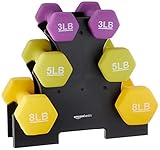
- SHIPMENT CONTAINS: 2 each of 3, 5, and 8 pound dumbbell hand weights (6 total) for exercise and strength training, plus an…
- LONG-LASTING NEOPRENE COATING: Multiple color neoprene texture offers long lasting durability and comfortable grip during…
- HEXAGON SHAPED ENDS: Prevents dumbbells from rolling away and offers stay-in-place storage

- SHIPMENT CONTAINS: 5 pound dumbbell hand weight (set of 2) for exercise and strength training
- LONG-LASTING NEOPRENE COATING: Green neoprene texture offers long lasting durability and comfortable grip during workouts
- HEXAGON SHAPED ENDS: Prevents dumbbells from rolling away and offers stay-in-place storage

- Dumbbells Set with Rack: Includes 5 PAIRS of neoprene coated dumbbells in 2-pound, 3-pound, 5-pound, 8-pound and 10-pound…
- Sturdy Construction: Built from durable cast iron then precision dipped in neoprene that ensure increased durability for…
- Innovation Design: Each dumbbell size is color-coded and labeled for easy identification. Neoprene coating on weights allow…
If you’re new to strength training, start slowly and focus on safe, controlled movements. Physical therapists and senior-friendly exercise videos can guide you through routines that match your comfort level.
13. Gentle Cardio for Fat Loss
Cardio helps burn calories, strengthen your heart, and support circulation. Options like walking, water aerobics, cycling, and low-impact elliptical training are excellent choices because they reduce stress on the joints while raising your heart rate.
The key is choosing something you enjoy so you can stay consistent. Cardio combined with strength training creates a balanced plan that supports overall wellness and makes daily tasks easier. Start slowly and increase your time as your energy improves.
14. Improve Balance and Flexibility for Safe Movement
Balance and flexibility are essential as you get older. They reduce fall risk and make everyday tasks easier. Gentle stretching, tai chi, and yoga improve mobility and help your body feel comfortable during exercise. These practices also reduce stiffness and improve posture, which enhances your ability to stay active.
Strong, flexible muscles support your joints and reduce discomfort, making it easier to stay on track with your weight loss goals. Small improvements in balance can have a major effect on your confidence and independence.
15. Manage Stress to Reduce Emotional Eating
Stress has a powerful impact on weight because it influences hunger hormones, sleep, cravings, and energy levels. Many seniors experience increased stress from major life changes, caregiving responsibilities, financial concerns, or health issues.
Techniques like deep breathing, meditation, slow walks, or journaling can help calm the nervous system and reduce emotional eating. Staying socially connected also plays a vital role in managing stress and supporting overall well-being.
When your mind feels calm, making healthy choices becomes much easier.
16. Avoid Extreme Diets or Fads
Many weight-loss programs promise quick results but aren’t safe or sustainable for seniors. Diets that cut entire food groups, severely restrict calories, or rely on gimmicky supplements can cause muscle loss, dehydration, dizziness, or nutrient deficiencies.

- Helps boost metabolism with Total Control
- Formula 1 Healthy Meal Nutritional Shake Mix (750g)
- Formula 3 Cell Activator

The best approach for seniors is gentle, consistent improvement in eating habits. Balanced meals, mindful portions, steady hydration, and regular movement produce long-lasting results without harming your health.
Give yourself permission to ignore extreme plans and focus on what truly supports your body.
17. Medication Check: An Overlooked Weight-Loss Factor
Some medications cause weight gain by increasing appetite, altering metabolism, or changing how your body stores fat. Common examples include certain blood pressure pills, antidepressants, steroids, and diabetes medications.
If you suspect a medication may be influencing your weight, speak with your doctor. Never stop taking a medication on your own. Sometimes alternatives are available, or your doctor may adjust the dosage.
Understanding how your medications affect your body helps you make informed, safe decisions as you move toward healthier weight goals.
18. Simple Lifestyle Tweaks That Make a Big Difference
Small daily changes can add up quickly. Taking a walk after meals helps control blood sugar and improves digestion. Drinking a glass of water before each meal reduces overeating. Preparing healthy snacks ahead of time helps you avoid convenience foods.

- HIGH PROTEIN SUPER-SNACK: Packed with 12 grams of plant based protein in a convenient individual wrapped 110 calorie snack…
- LOW-CARB & KETO FRIENDLY: Enjoy a small handful or the whole snack bag at once! With only 2 grams of net carbs per serving…
- BETTER FOR YOU: A healthy, low carb snack for every lifestyle and diet. Crunchy Roasted Edamame Beans are keto friendly…

- A perfectly balanced blend of almonds, cranberries, yogurt peanuts, and dark chocolate chunks that delivers a delightful mix…
- Enjoy the smooth, antioxidant-rich flavor of premium dark chocolate chunks and dark chocolate–coated cranberries, perfectly…
- Made with simple, real ingredients you can trust — no artificial colors, no artificial flavors, and no preservatives…

- FOR EVERY DIET, ANYWHERE. Did someone say yummy for all? Each trail mix inside our Trail Mix Snack Packs are proudly vegan…
- TOP SHELF INGREDIENTS. All Nature’s Garden products, including our Trail Mix Snack Packs are made with all natural…
- FREE FROM NASTIES. We’ve ditched the bad stuff and are committed to bringing you that good good. Each mix inside our Trail…

- SIZE: Pack of 9 (0.75 Ounce) No Shells – Don’t hold back on Wonderful Pistachios; Our Wonderful Pistachios are the…
- FLAVOR: Each Box includes (4) 0.75 oz Bags of Roasted and Salted No Shell Wonderful Pistachios, (3) 0.75 oz Bags of Chili…
- CALIFORNIA GROWN: Wonderful Pistachios grows all of its pistachios in California orchards, where we carefully tend and…
Even organizing your kitchen to make healthy foods easier to reach can support weight loss success. These little habits build momentum, and each one moves you closer to your goals without overwhelming you.
19. Build a Support System
Losing weight is easier when you have support. Share your goals with friends, family, or members of your community. Many seniors find success by joining walking groups, fitness classes, or online communities where they can celebrate wins and stay motivated.
A support system helps you stay accountable and gives you encouragement when progress feels slow. The journey feels lighter when you have people cheering you on.
20. Track Progress Without Obsessing Over the Scale
The scale only tells part of the story. Strength, energy, sleep, mood, and mobility matter just as much—if not more. Seniors benefit from tracking non-scale victories like improved endurance, better balance, or looser clothing.
Taking weekly notes helps you stay motivated and recognize progress beyond numbers. Weight loss is rarely linear, and focusing on the full picture keeps you moving forward.
21. Celebrate Every Success
Every positive change—no matter how small—is worth celebrating. Building stronger habits after 60 is something to be proud of. Whether you walked an extra block, drank more water this week, or prepared healthier meals, these victories add up.
Instead of focusing on what’s left to do, take time to appreciate how far you’ve come. Consistency wins every time, and every victory builds the foundation for long-term results.
Final Thoughts: Your Weight-Loss Journey Starts with One Step
The best weight loss tips for seniors are built around safety, sustainability, and self-compassion. You don’t need extreme diets or exhausting workouts. What you need is a plan that works with your body — not against it — and supports your energy, mobility, and quality of life.
Small improvements in nutrition, hydration, sleep, and movement help seniors reach their goals without feeling overwhelmed. And the strategies in this guide are designed to be approachable, senior-friendly, and effective, no matter where you’re starting.
You deserve to feel strong, energized, and confident. And with the right approach, your healthiest years can still be ahead of you.
F.A.Q: Best Weight Loss Tips for Seniors
1. What is the safest way for seniors to lose weight?
The safest approach for seniors is slow, steady weight loss supported by balanced meals, hydration, quality sleep, and gentle daily movement. Activities like walking, stretching, and light strength training help protect muscle and support heart health without overwhelming the body. A quick check-in with your doctor ensures your routine is safe for your personal health needs.
2. Why does weight loss become harder after 60?
Weight loss becomes more challenging after 60 because metabolism slows, hormone levels shift, and muscle mass naturally declines. These changes reduce the number of calories your body burns at rest. Improving sleep, increasing protein, staying hydrated, and doing simple strength-building movements can help counteract these changes and make weight loss more achievable.
3. Is walking enough exercise for seniors to lose weight?
Walking is one of the best and safest exercises for seniors. It burns calories, strengthens the lower body, and supports heart and lung health while being gentle on the joints. For even better results, walking can be combined with light resistance training to help preserve muscle, which is essential for maintaining a healthy metabolism.
4. How much protein should seniors eat daily?
Most seniors benefit from eating 25–30 grams of protein at each meal. Protein helps maintain muscle, which is especially important as metabolism slows with age. Foods like eggs, Greek yogurt, beans, soft fish, cottage cheese, and protein shakes are excellent options that digest easily and provide steady energy.
5. Are weight-loss supplements safe for seniors?
Many weight-loss supplements contain stimulants or ingredients that may not be ideal for older adults, especially those with heart conditions or who take medications for blood pressure, thyroid health, or diabetes. Seniors should always consult their doctor before using any supplement. Most long-term weight loss comes from lifestyle habits, not pills or powders.
6. How fast should seniors expect to lose weight?
A safe and realistic pace for seniors is losing 0.5 to 1 pound per week. Losing weight too quickly can cause muscle loss, which slows metabolism and increases the risk of weakness or falls. Slow, consistent progress is healthier, easier to maintain, and far more sustainable over time.
7. Can seniors lose weight without going to the gym?
Yes — seniors can absolutely lose weight at home. Walking, stretching, chair exercises, resistance bands, light household activity, and balanced meals all help support healthy weight loss. A gym membership isn’t required. Consistency, hydration, and small daily improvements make the biggest difference.
8. Why is strength training important for seniors trying to lose weight?
Strength training helps rebuild and protect muscle, which naturally decreases with age. Because muscle burns more calories than fat, having more lean muscle improves metabolism and daily energy. Simple movements such as resistance bands, wall pushups, or light dumbbells help seniors stay strong, stable, and more active throughout the day.
9. How much water should seniors drink to support weight loss?
Hydration needs vary, but many seniors benefit from drinking a glass of water with each meal and one between meals. Staying hydrated helps regulate appetite, supports digestion, and can reduce unnecessary snacking. Herbal teas, infused water, and broth-based soups also count toward daily hydration.
10. Does sleep affect weight loss for seniors?
Yes — poor sleep can make it much harder to lose weight because it disrupts hunger hormones, increases cravings, raises stress levels, and slows metabolism. Seniors who improve their sleep often notice better energy, better appetite control, and more predictable weight-loss progress. A calming bedtime routine can make a significant difference.
Looking for companionship later in life? eharmony offers a dating platform many seniors use to meet people who want something more meaningful.
Meet Compatible Singles →


